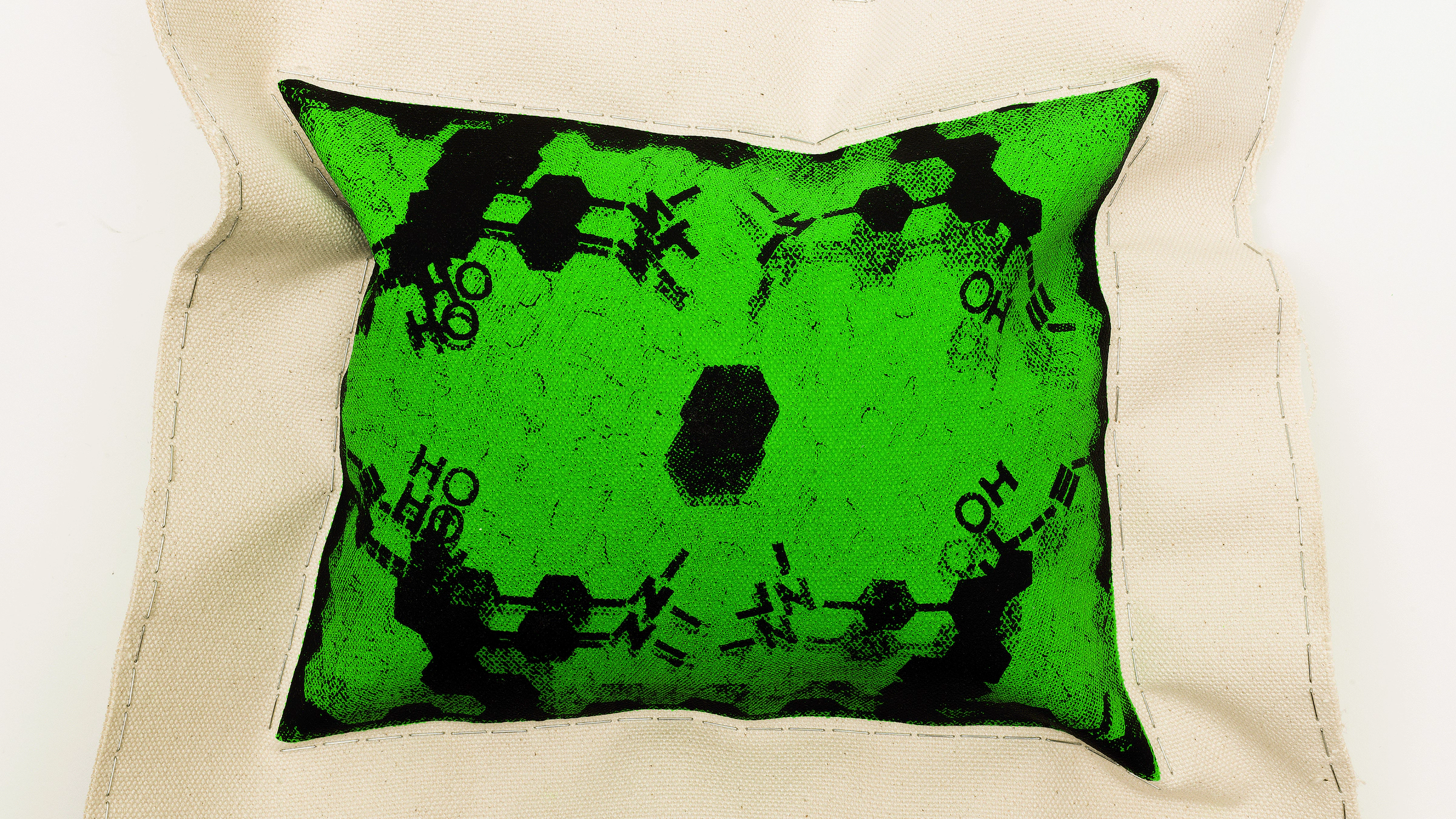
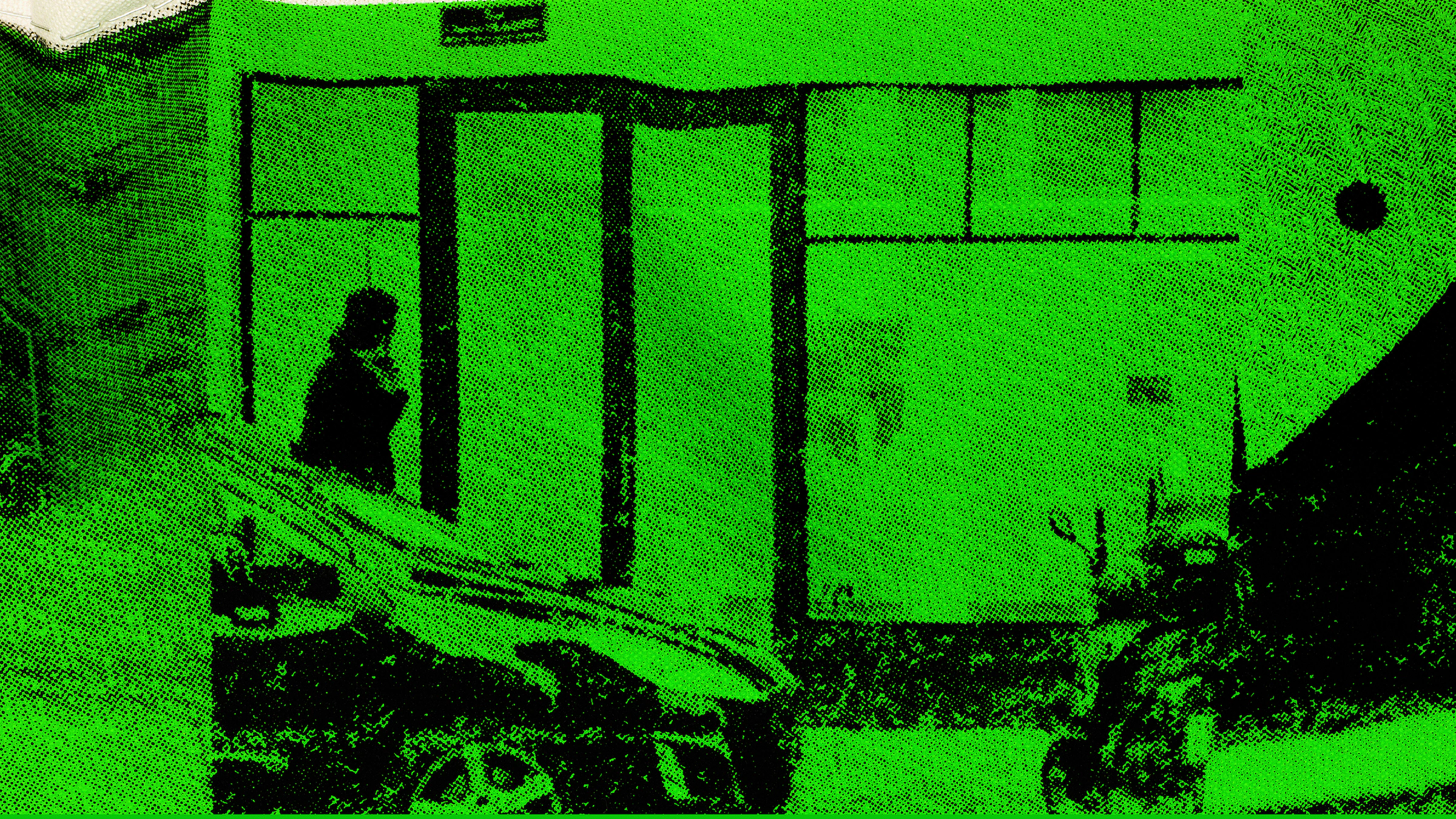
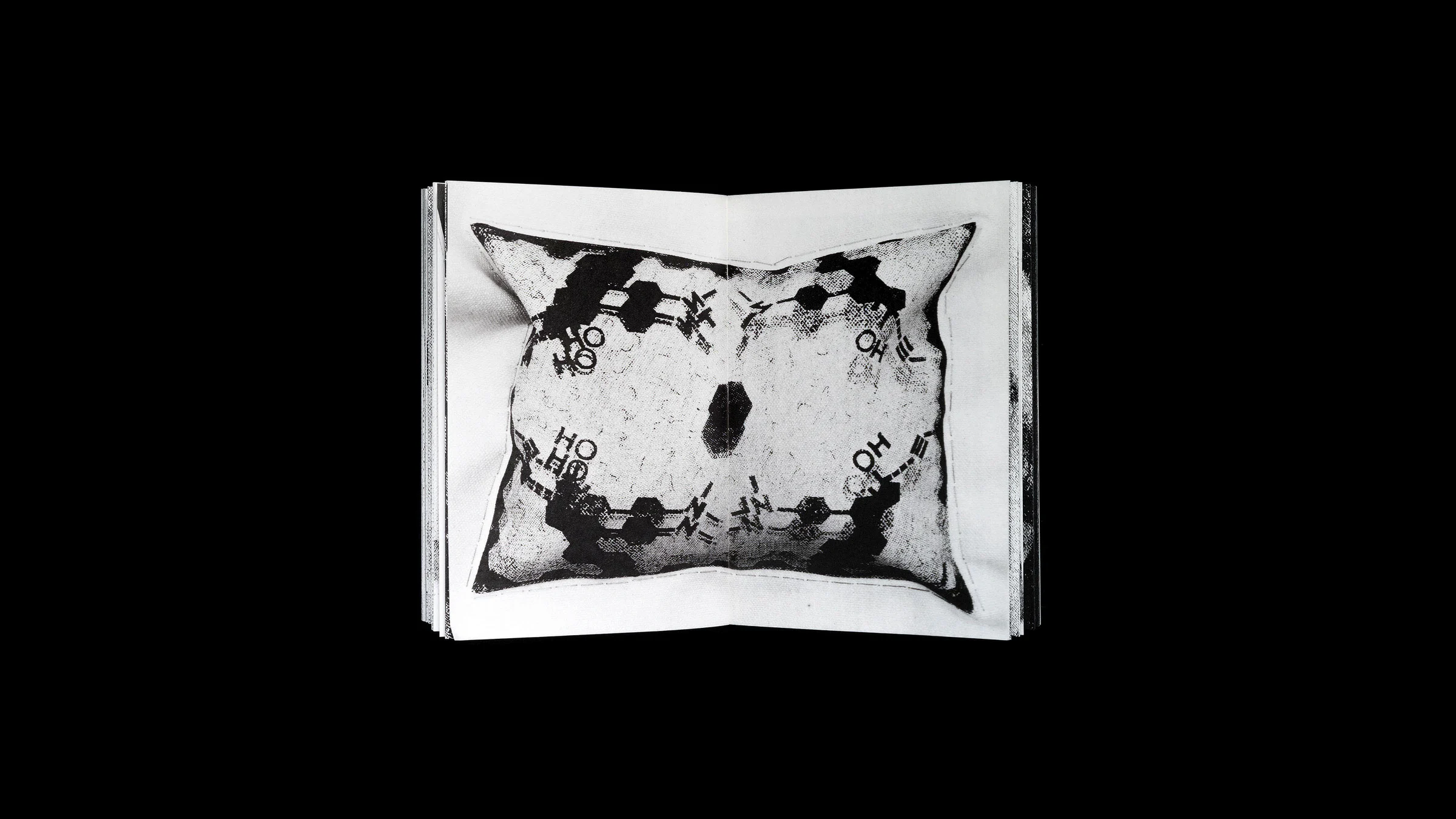
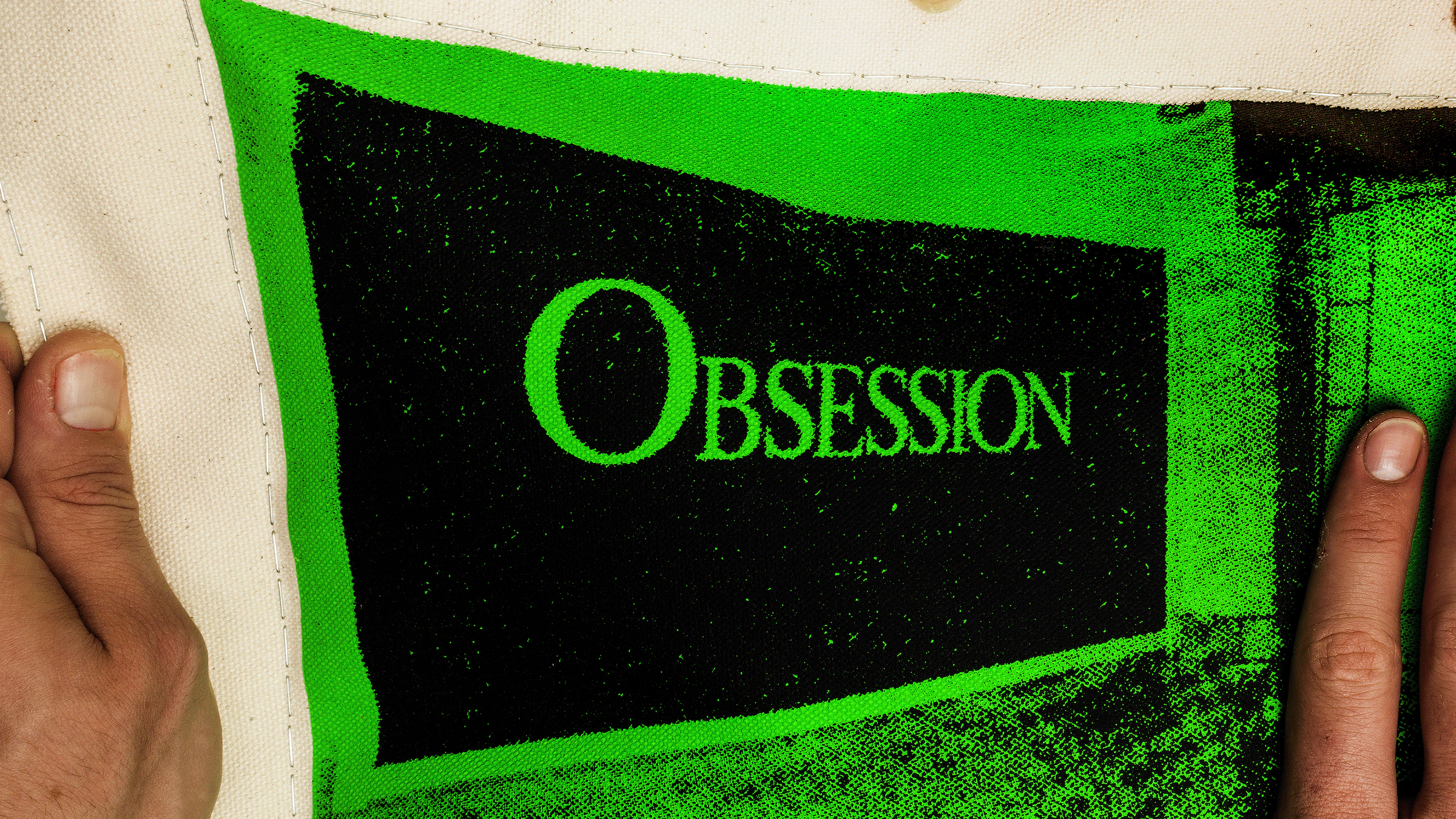
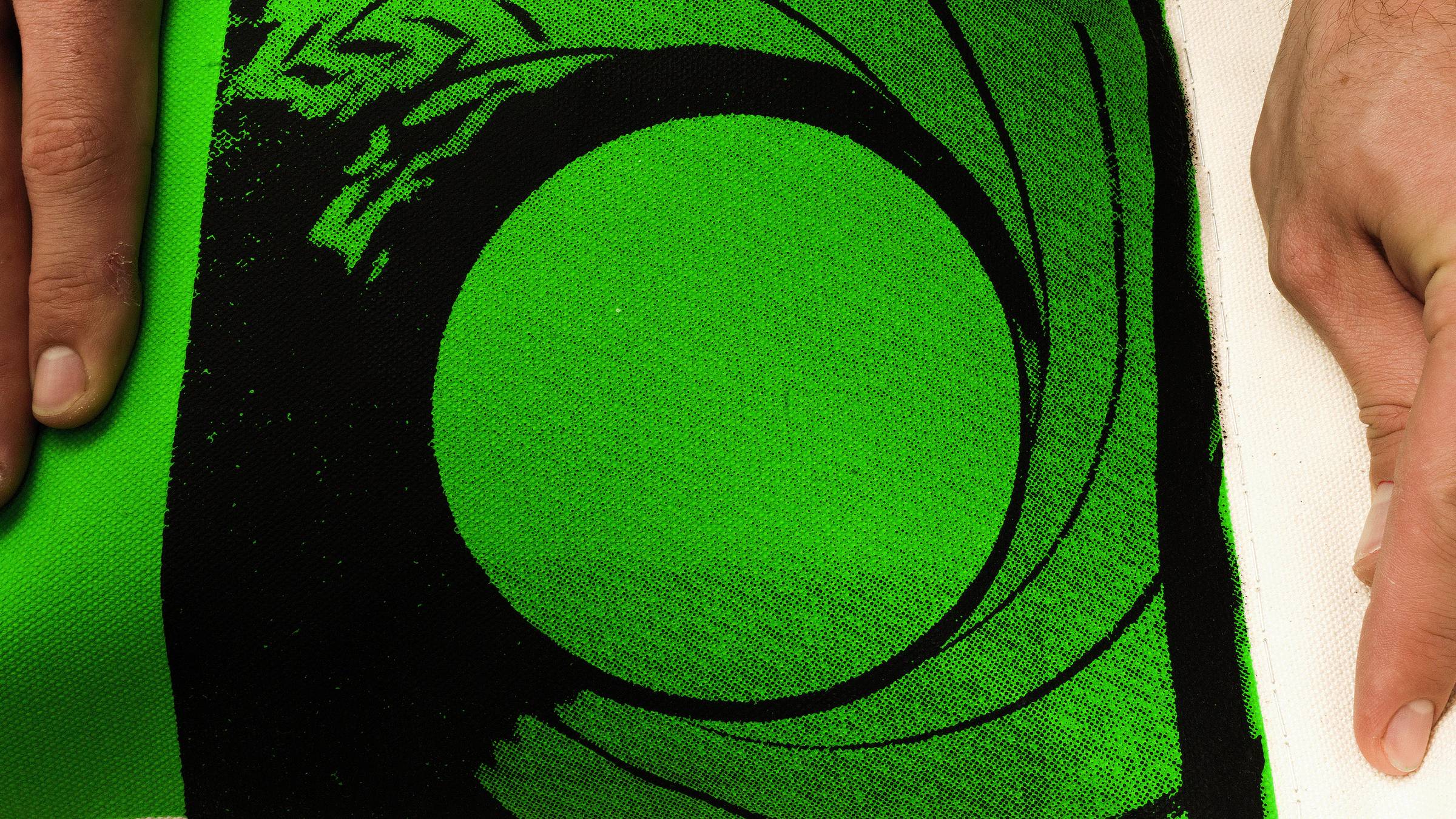
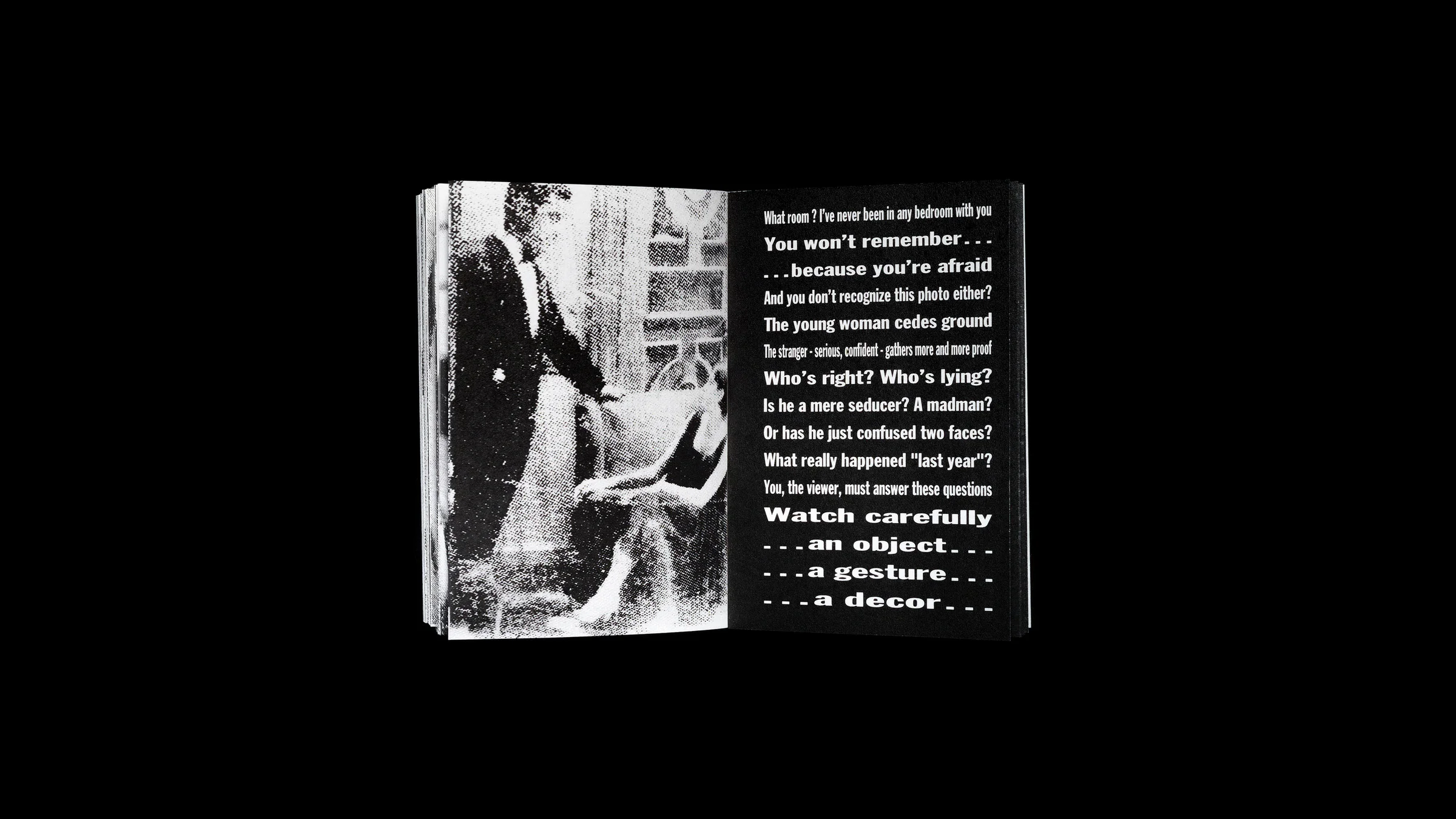
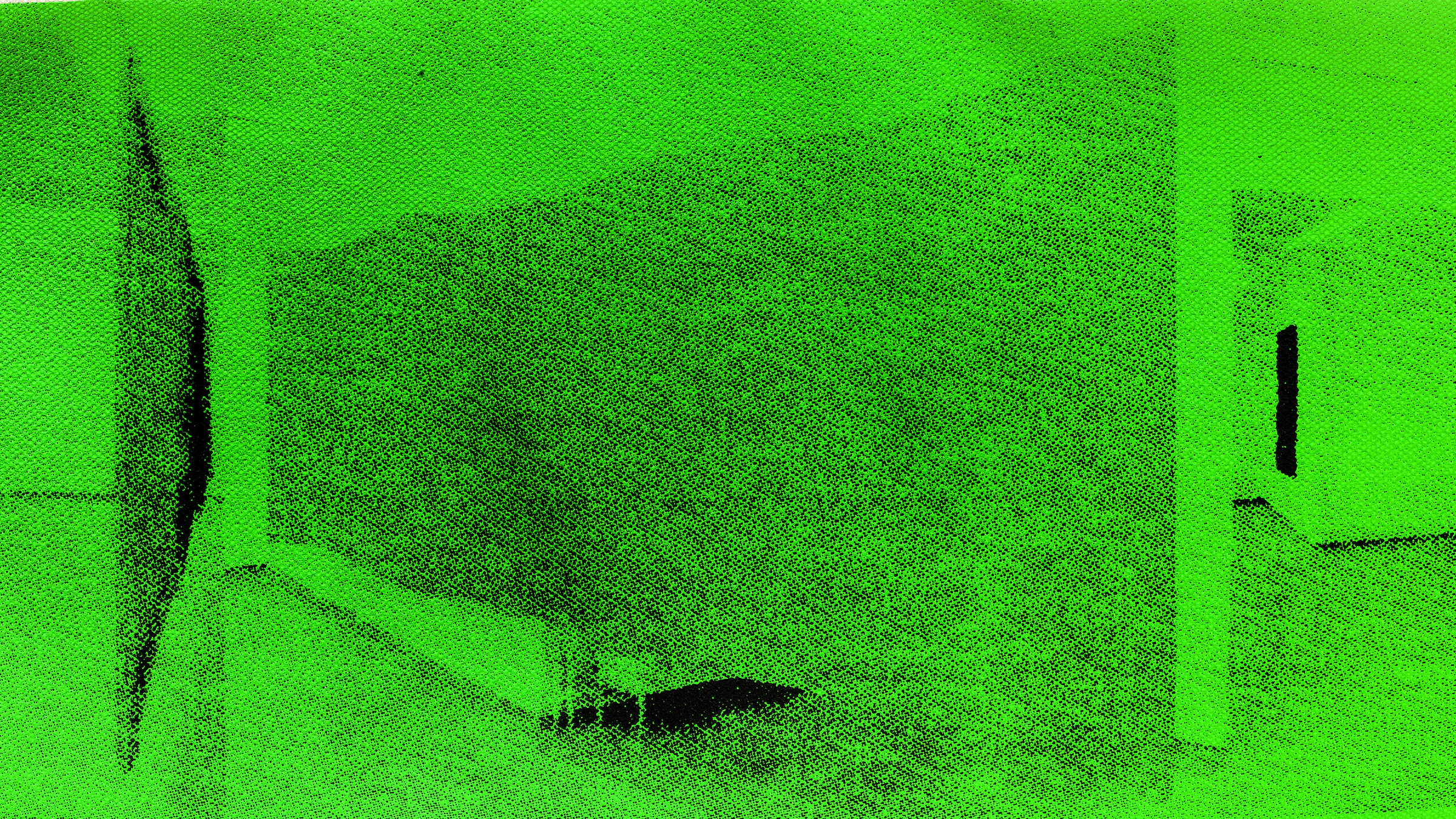
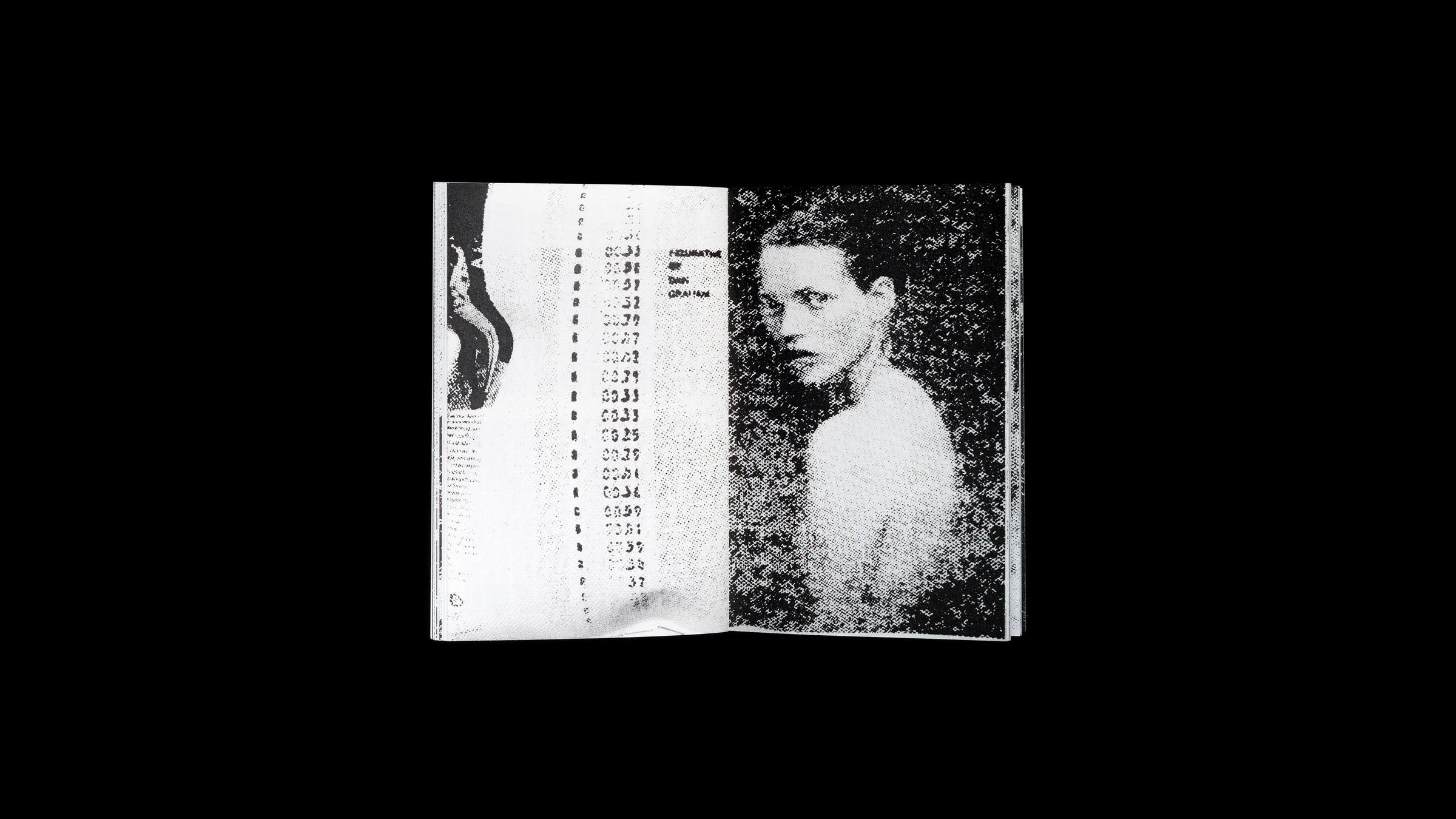
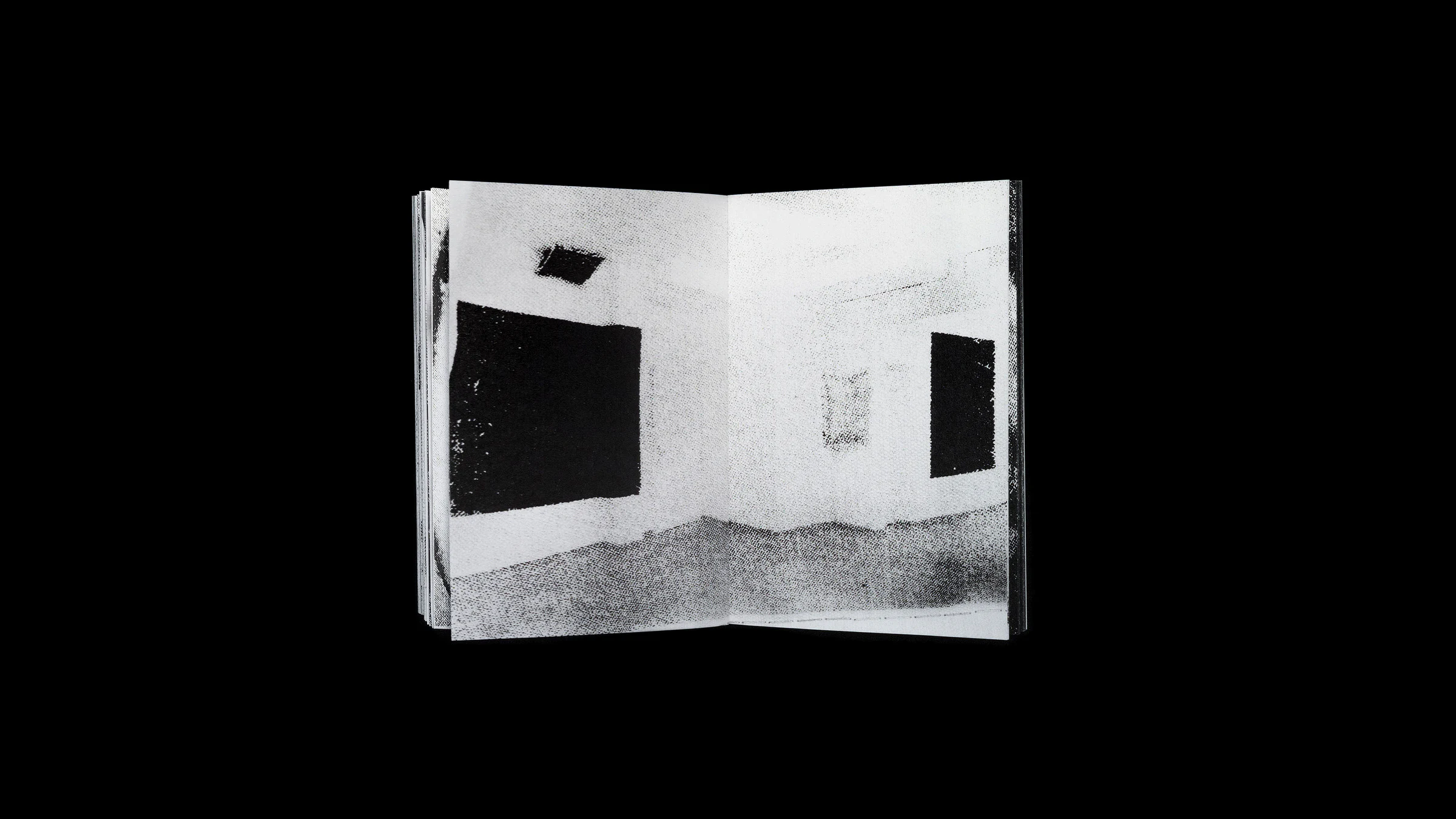
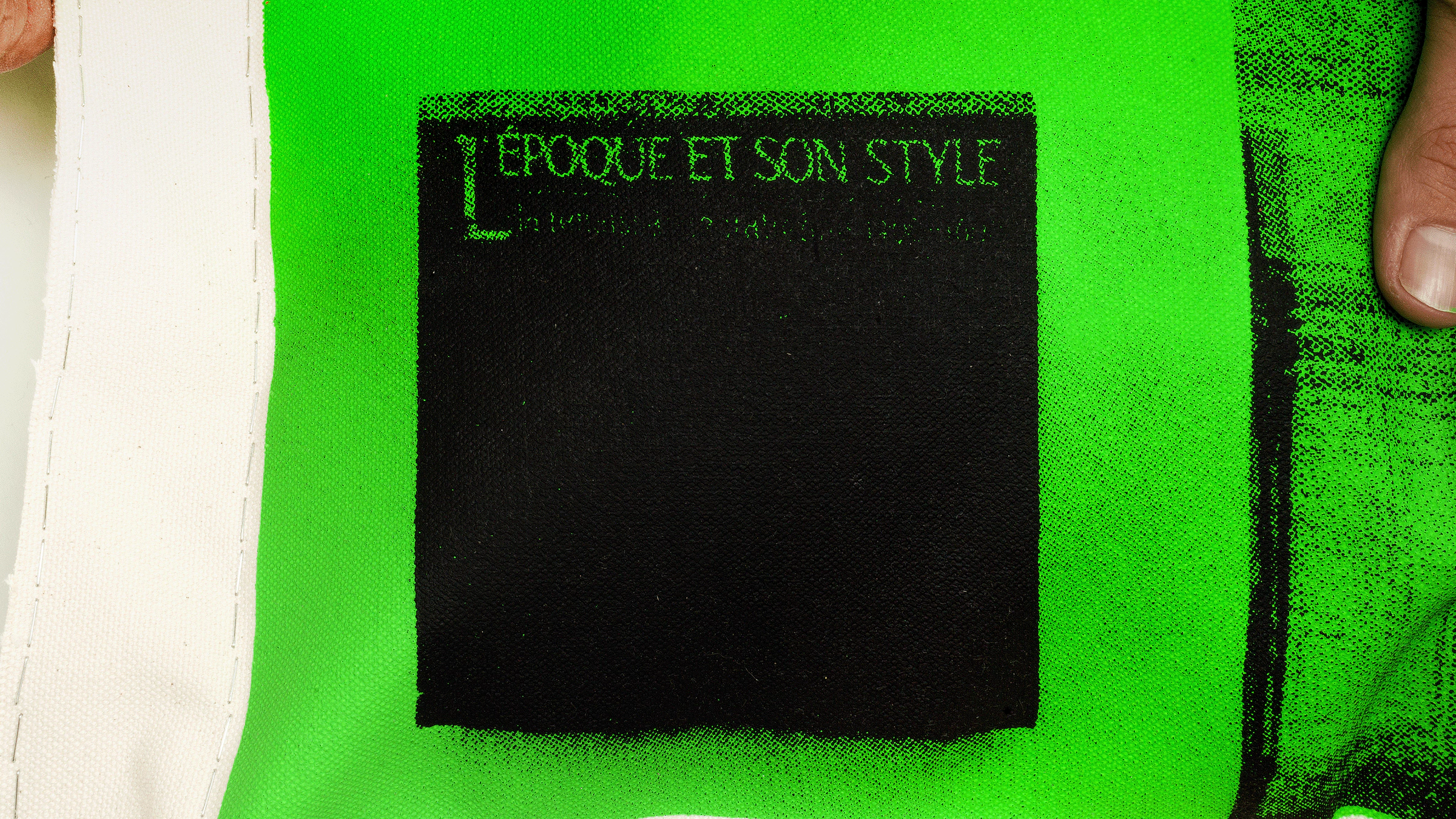
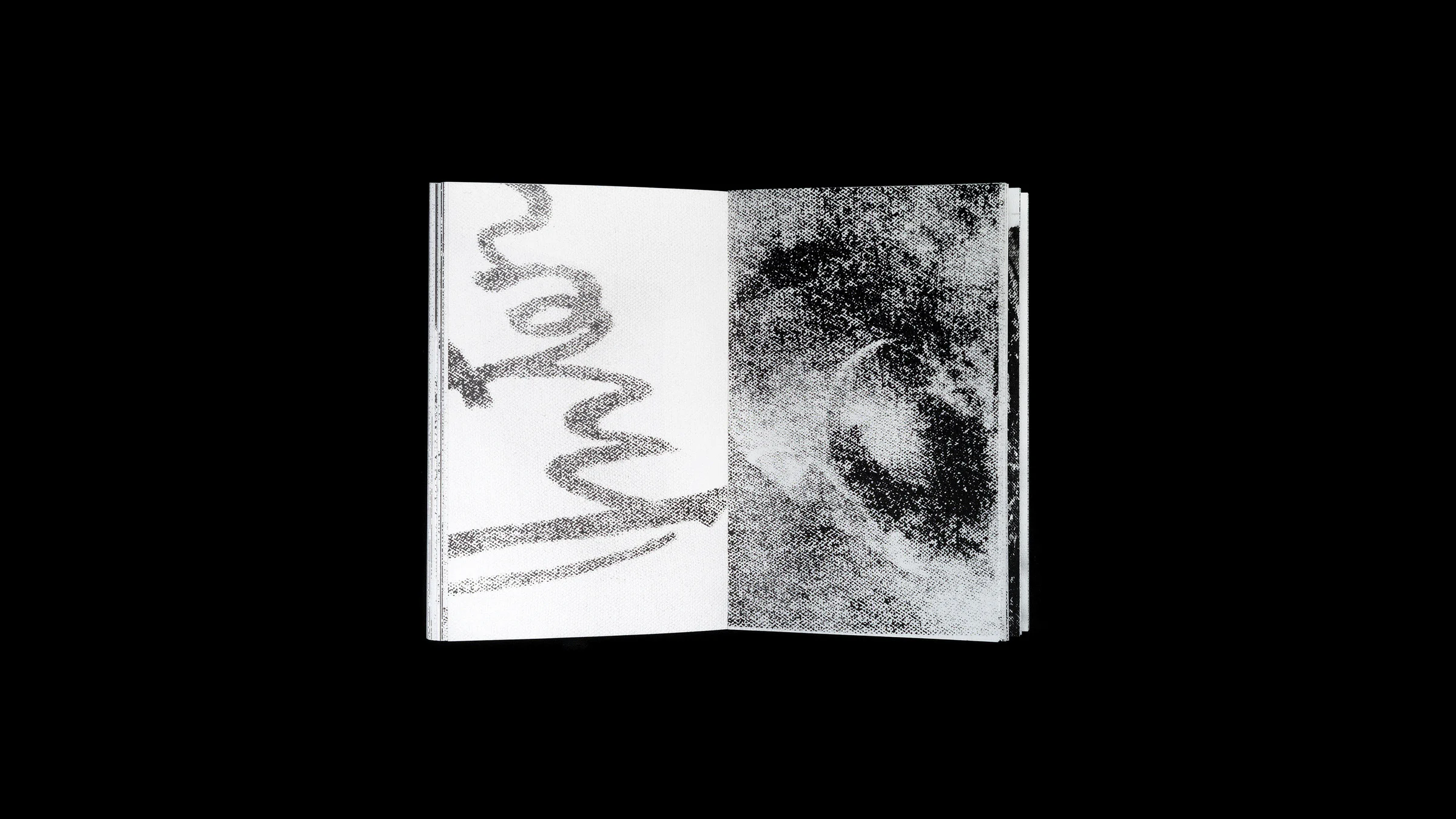
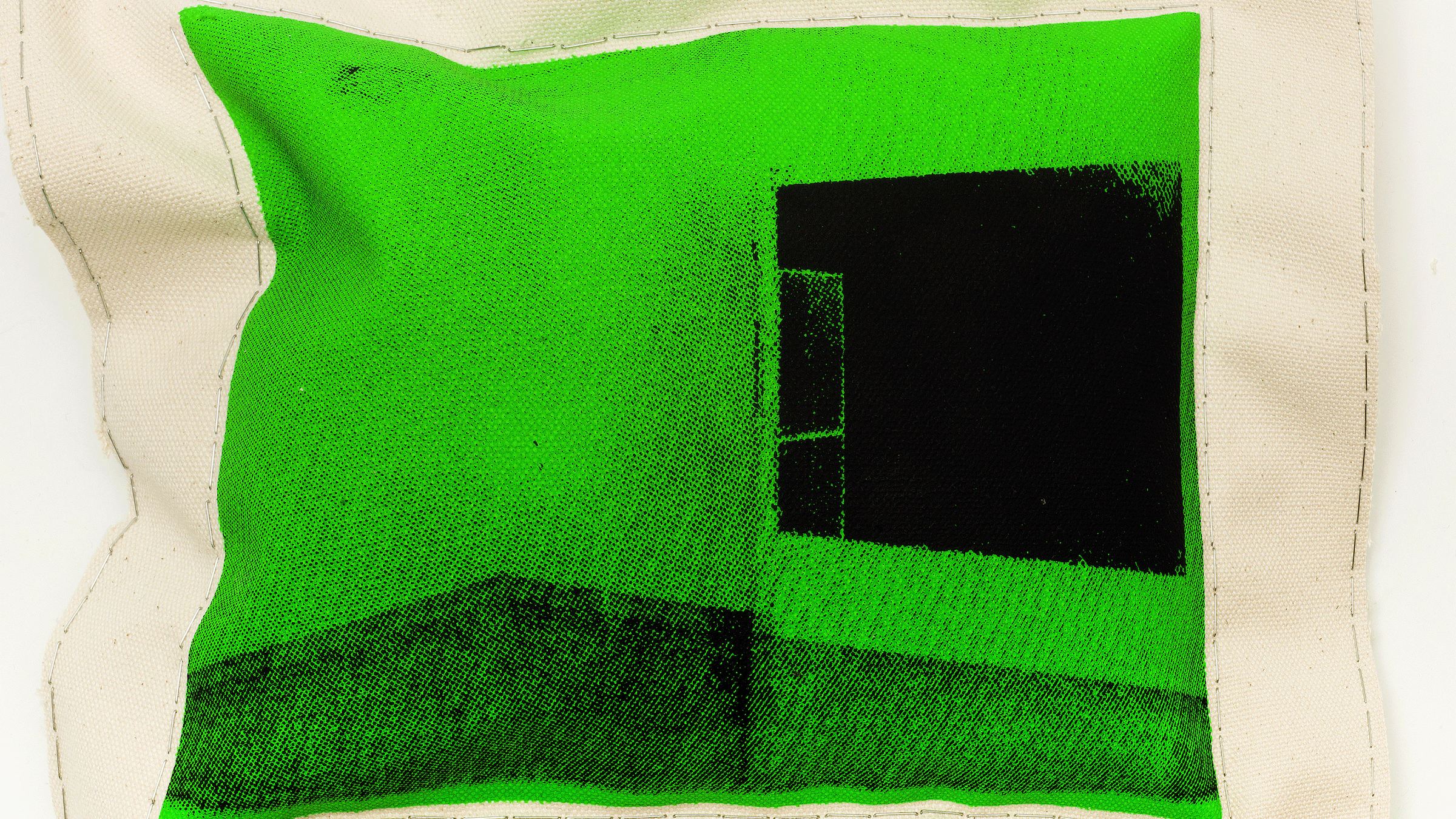
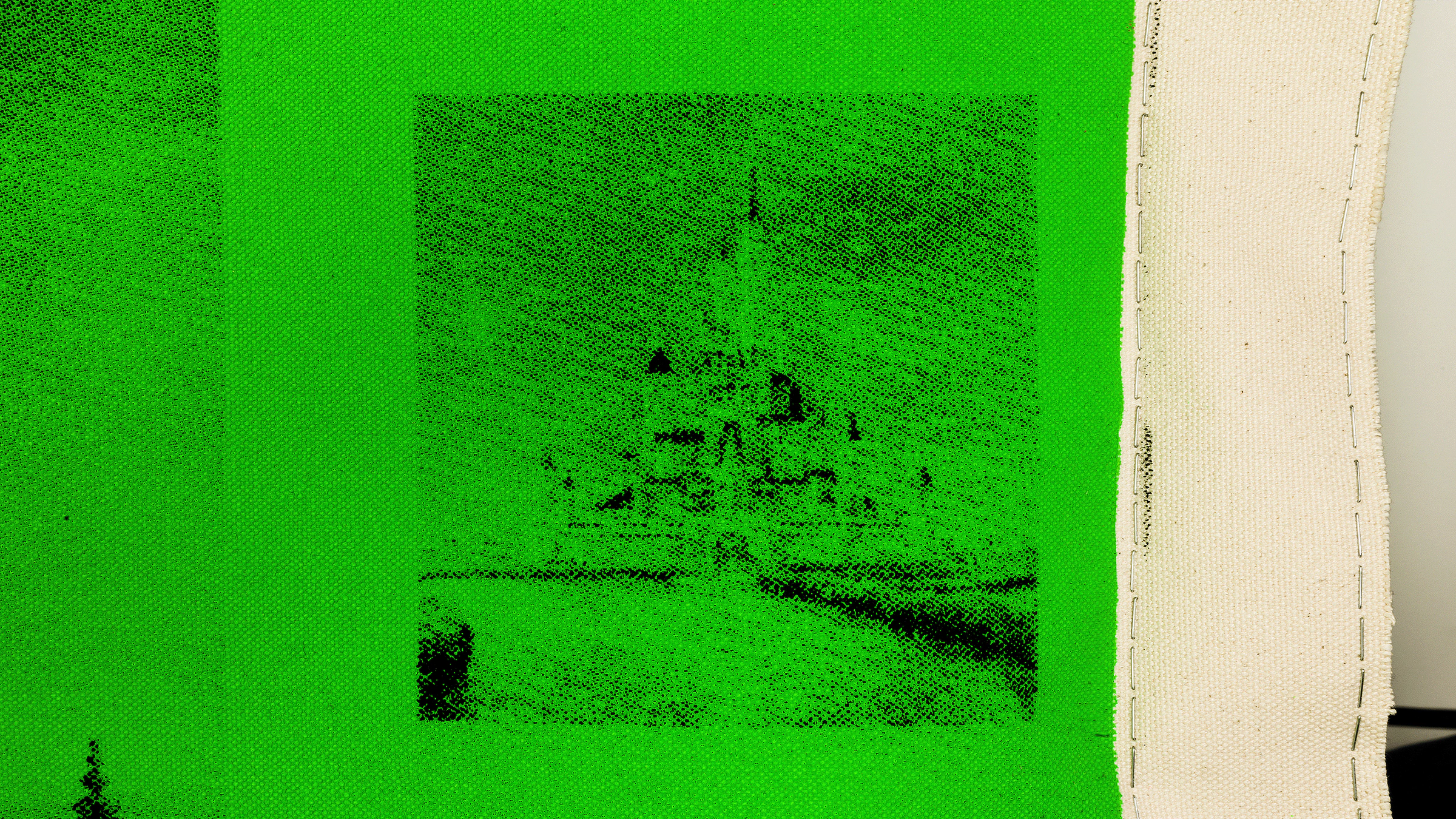
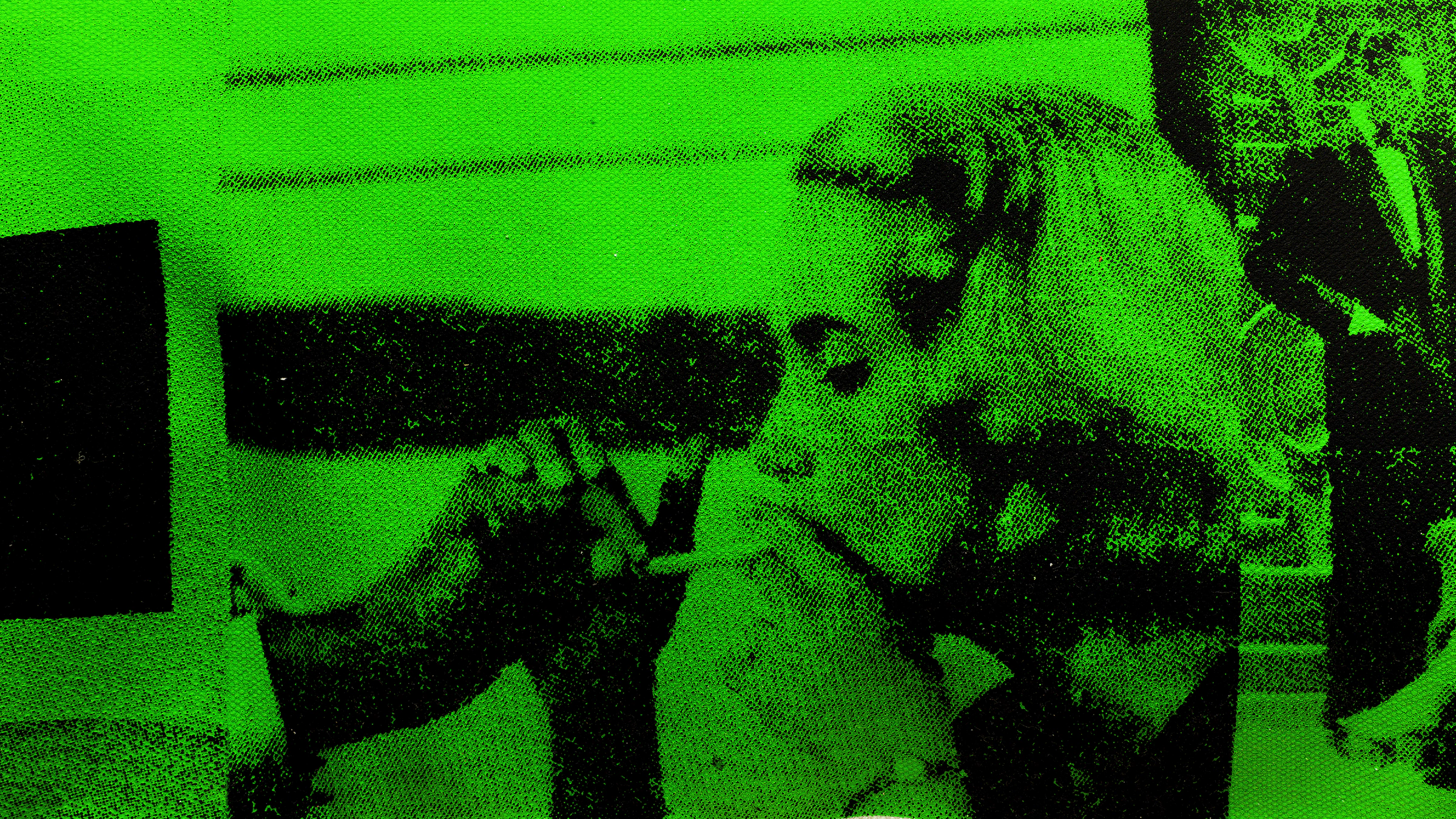
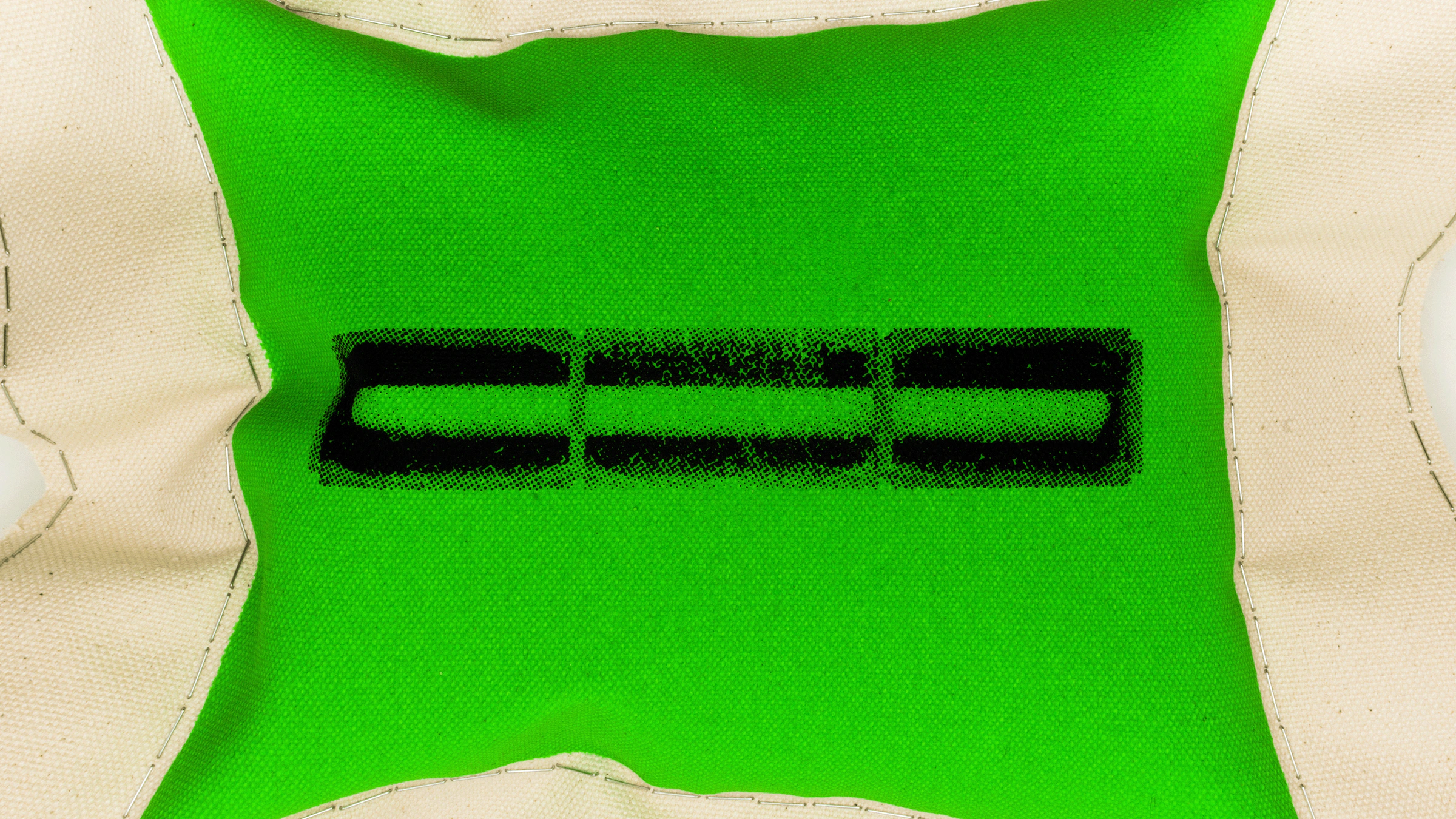
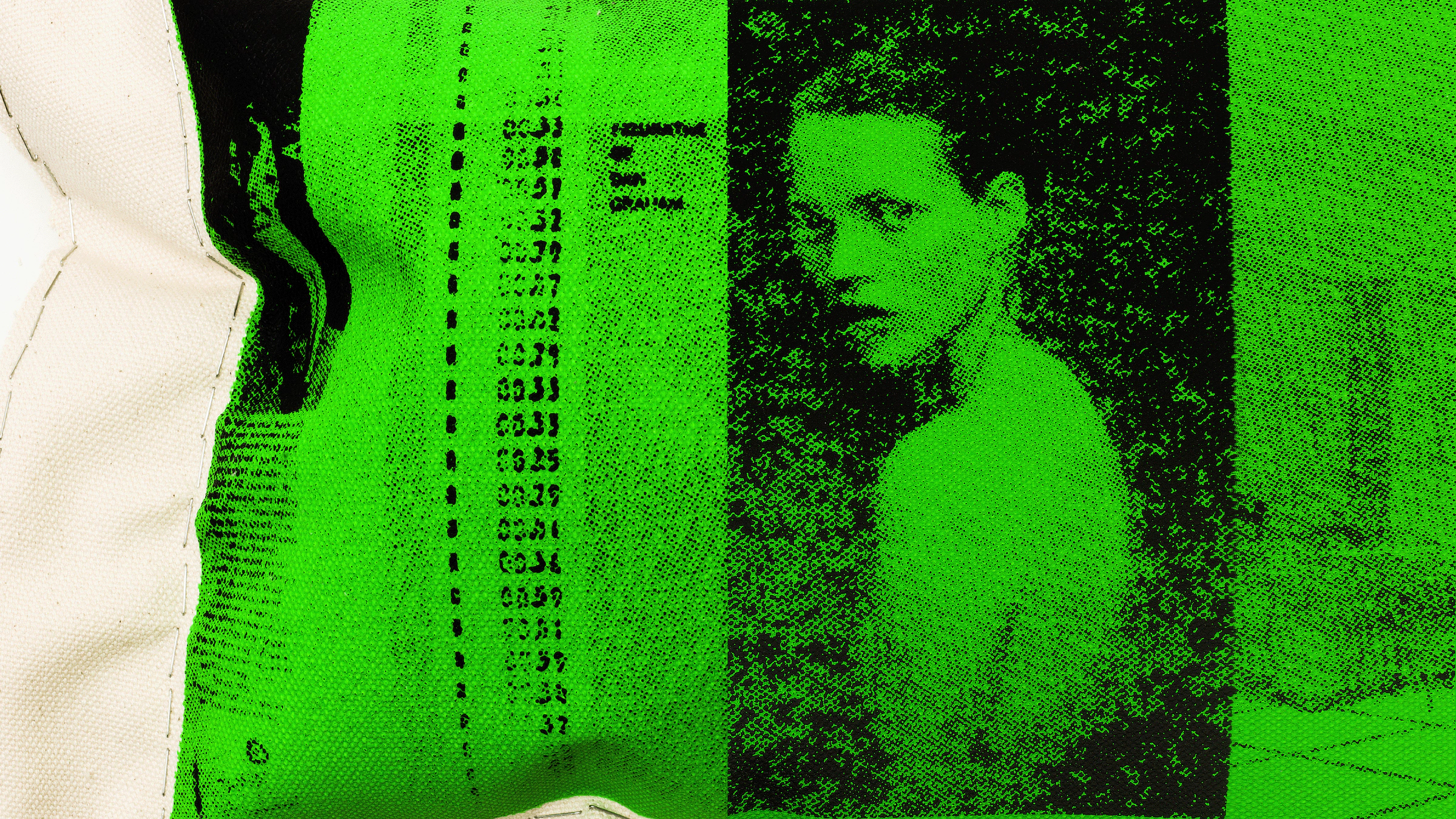
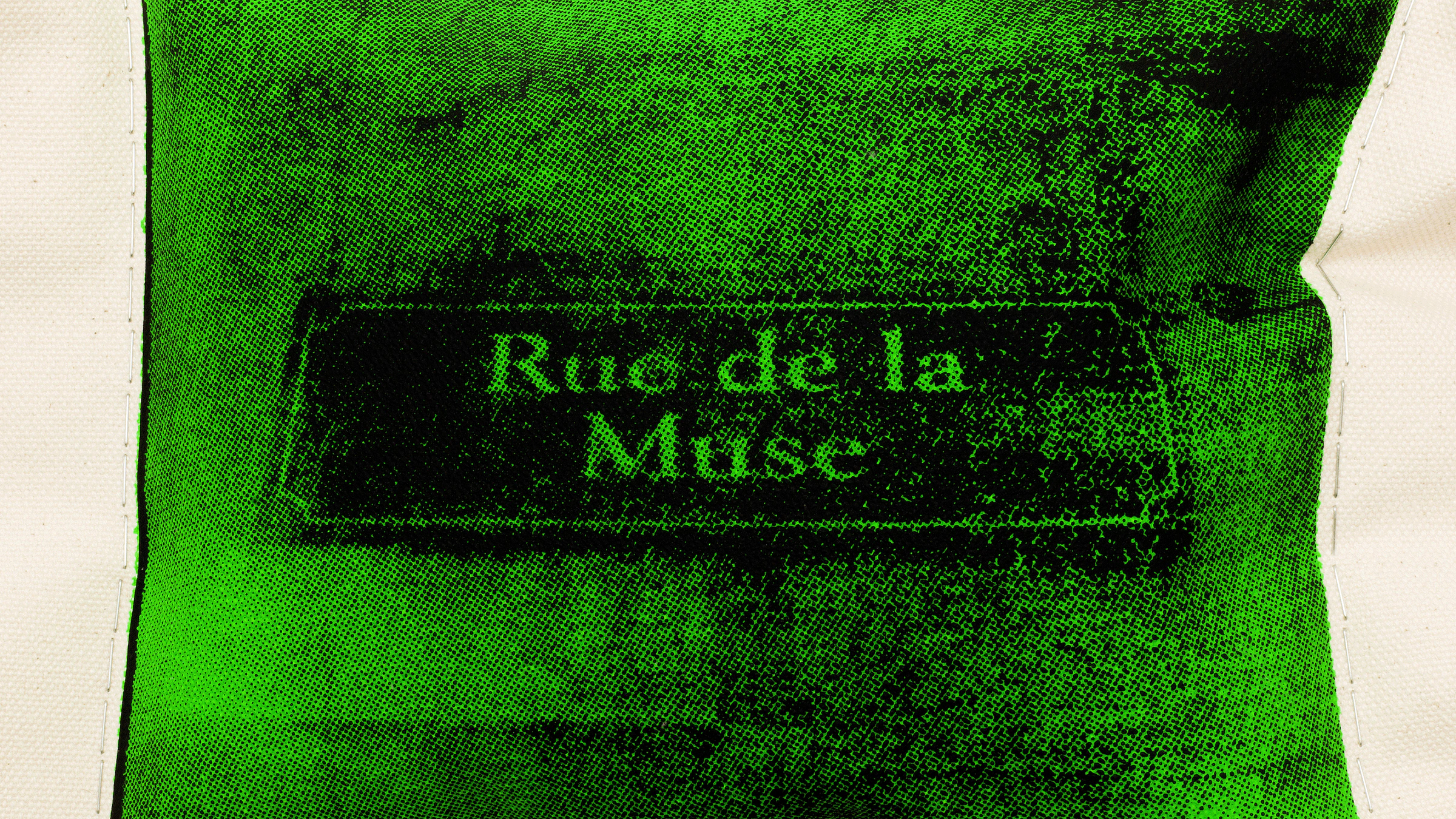
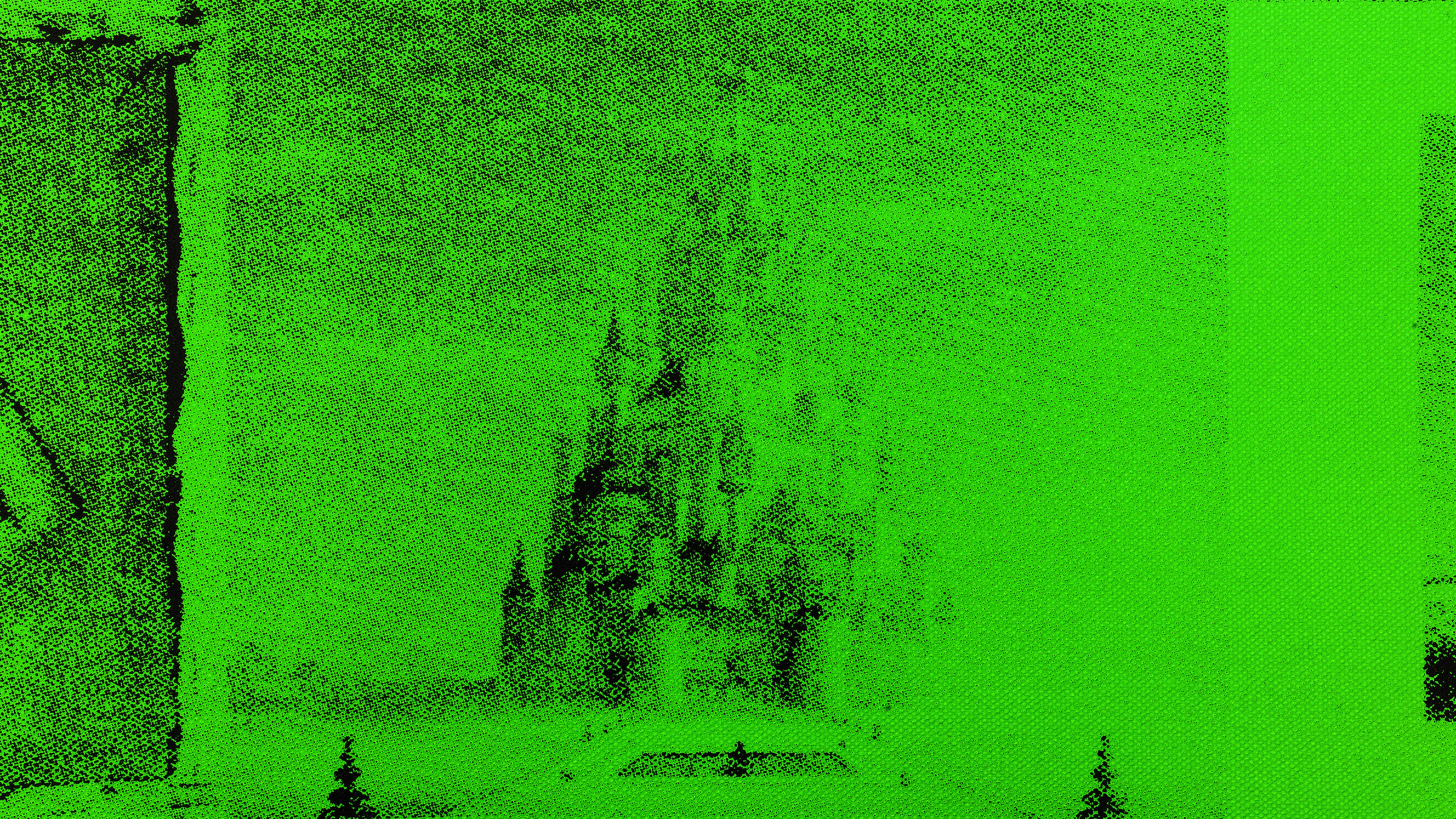
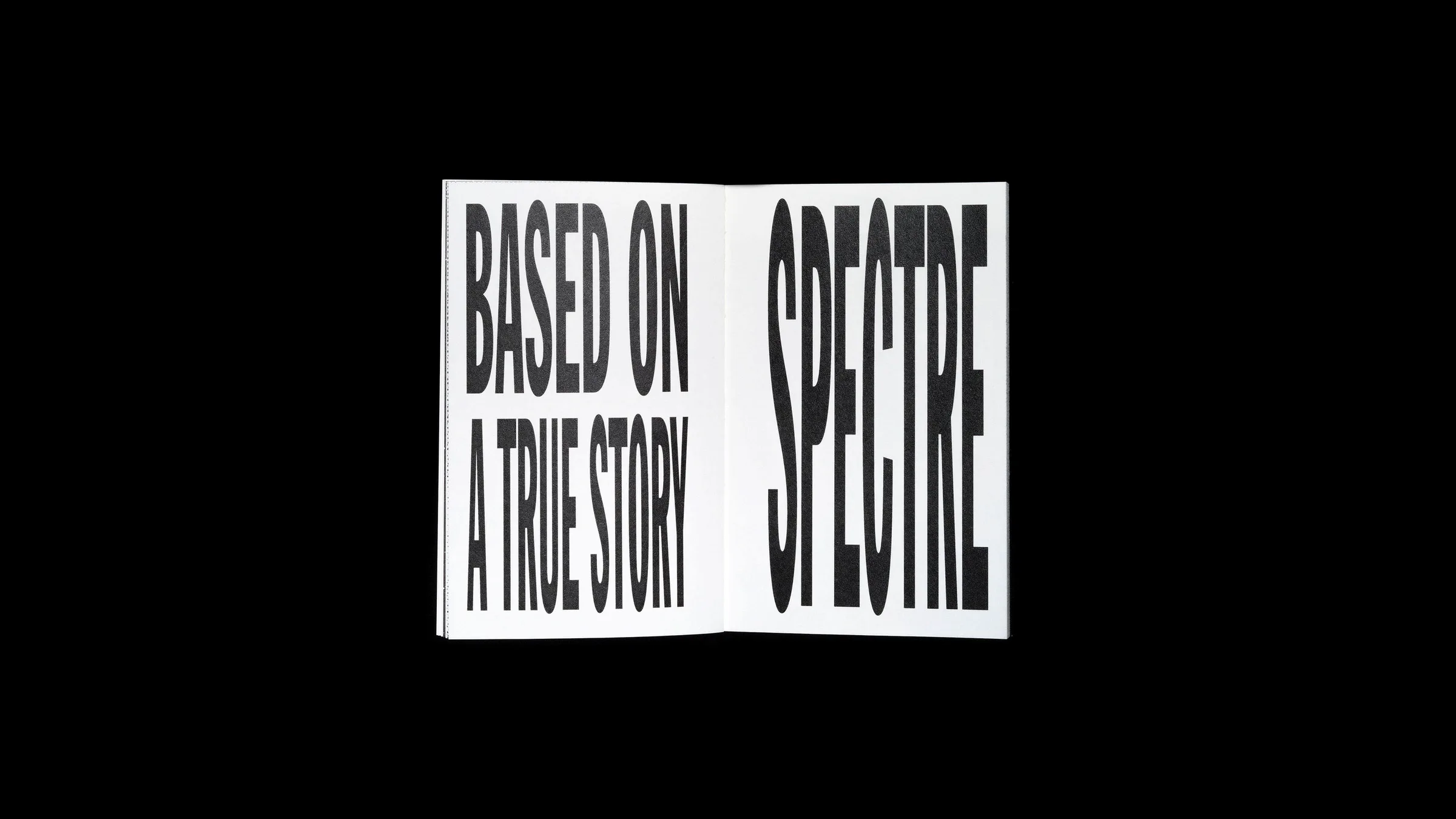
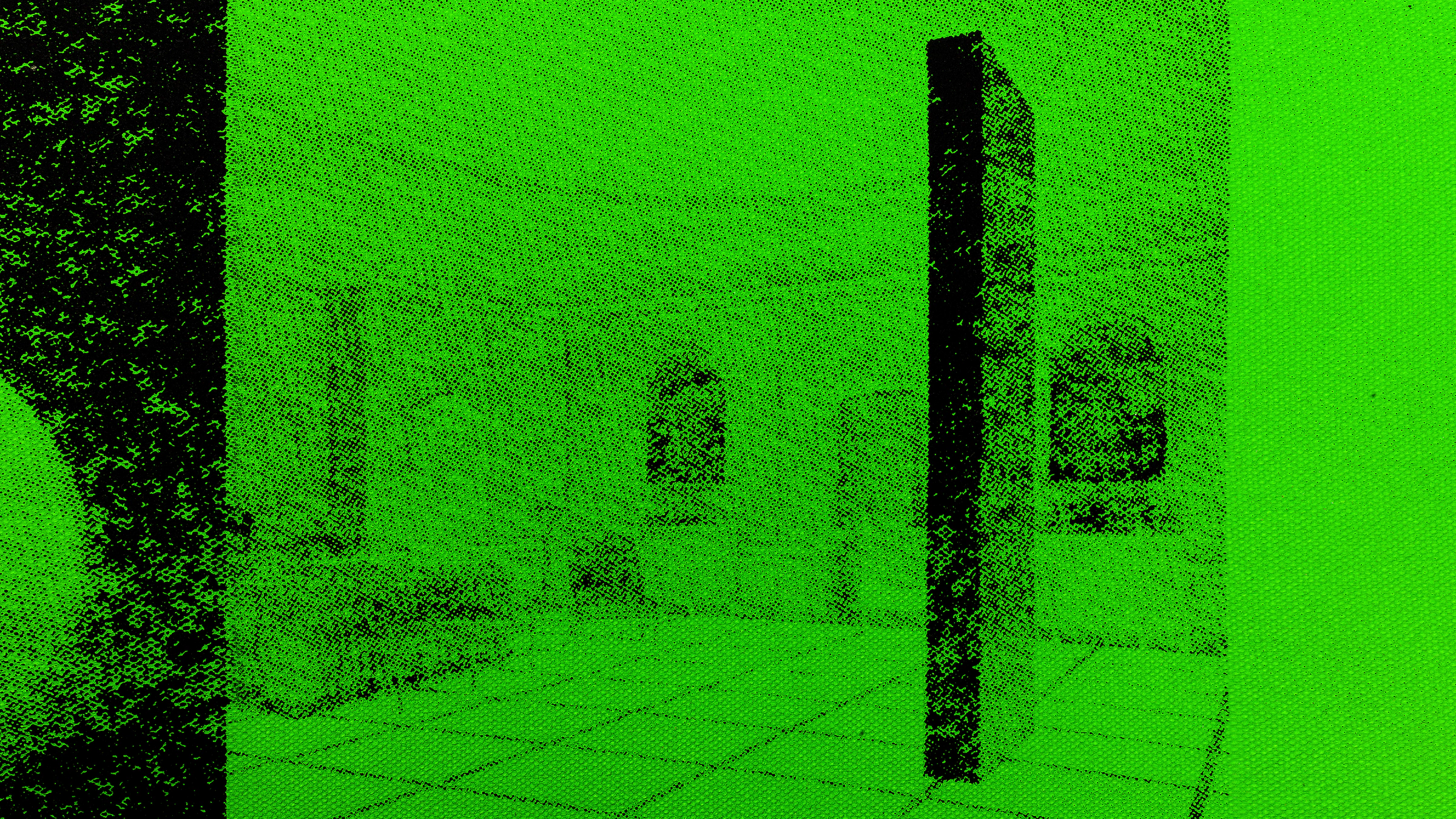
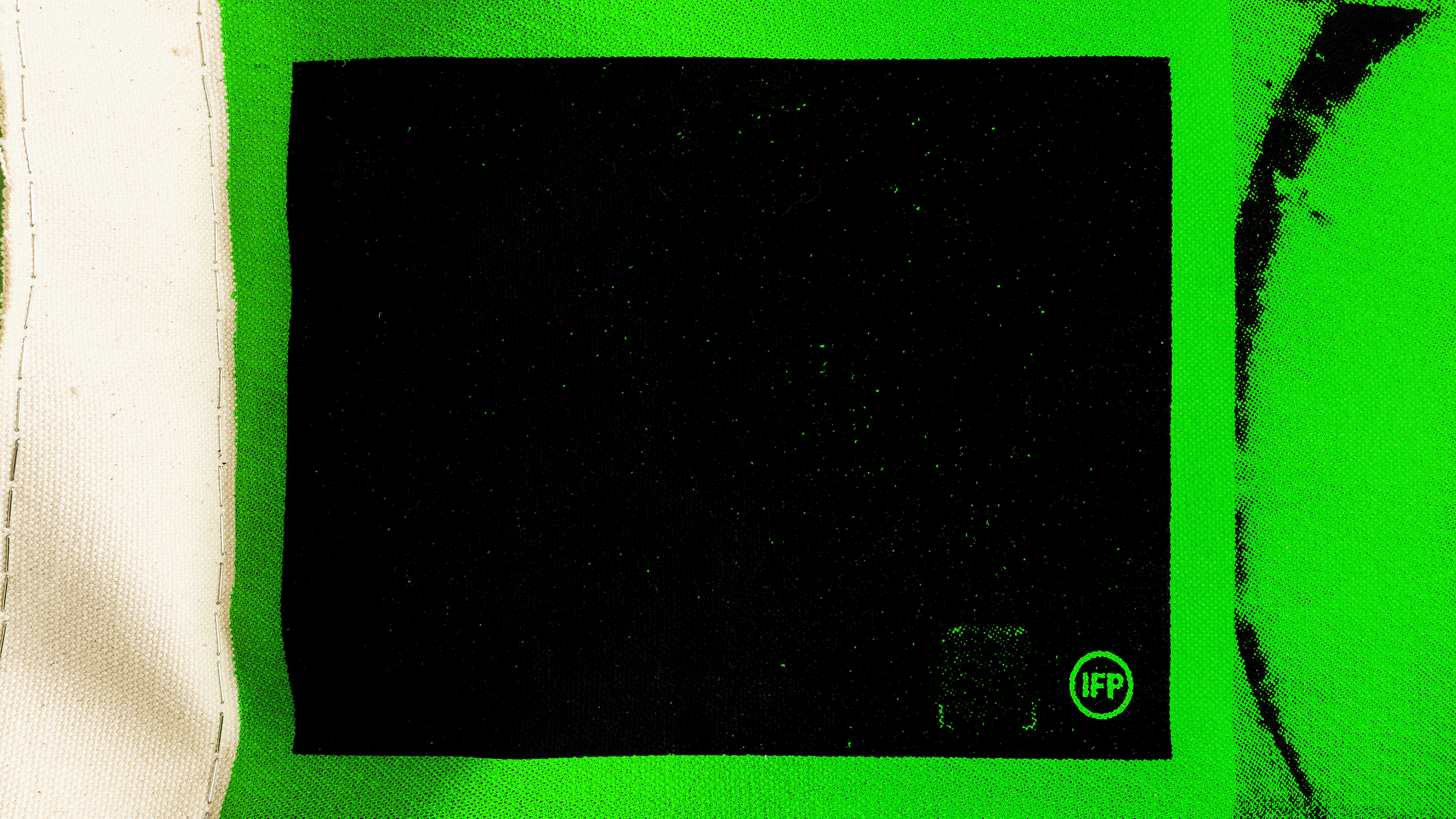
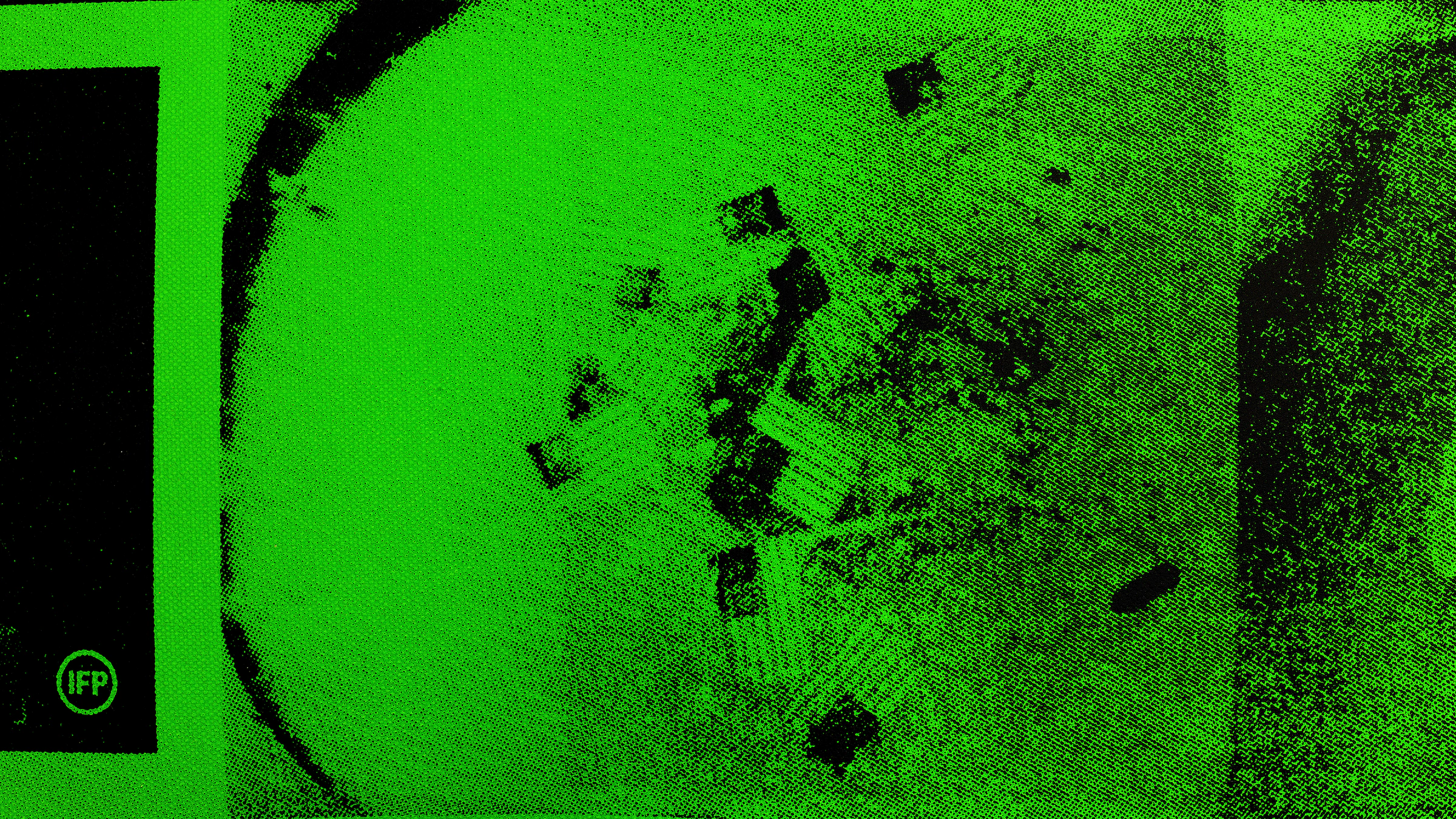
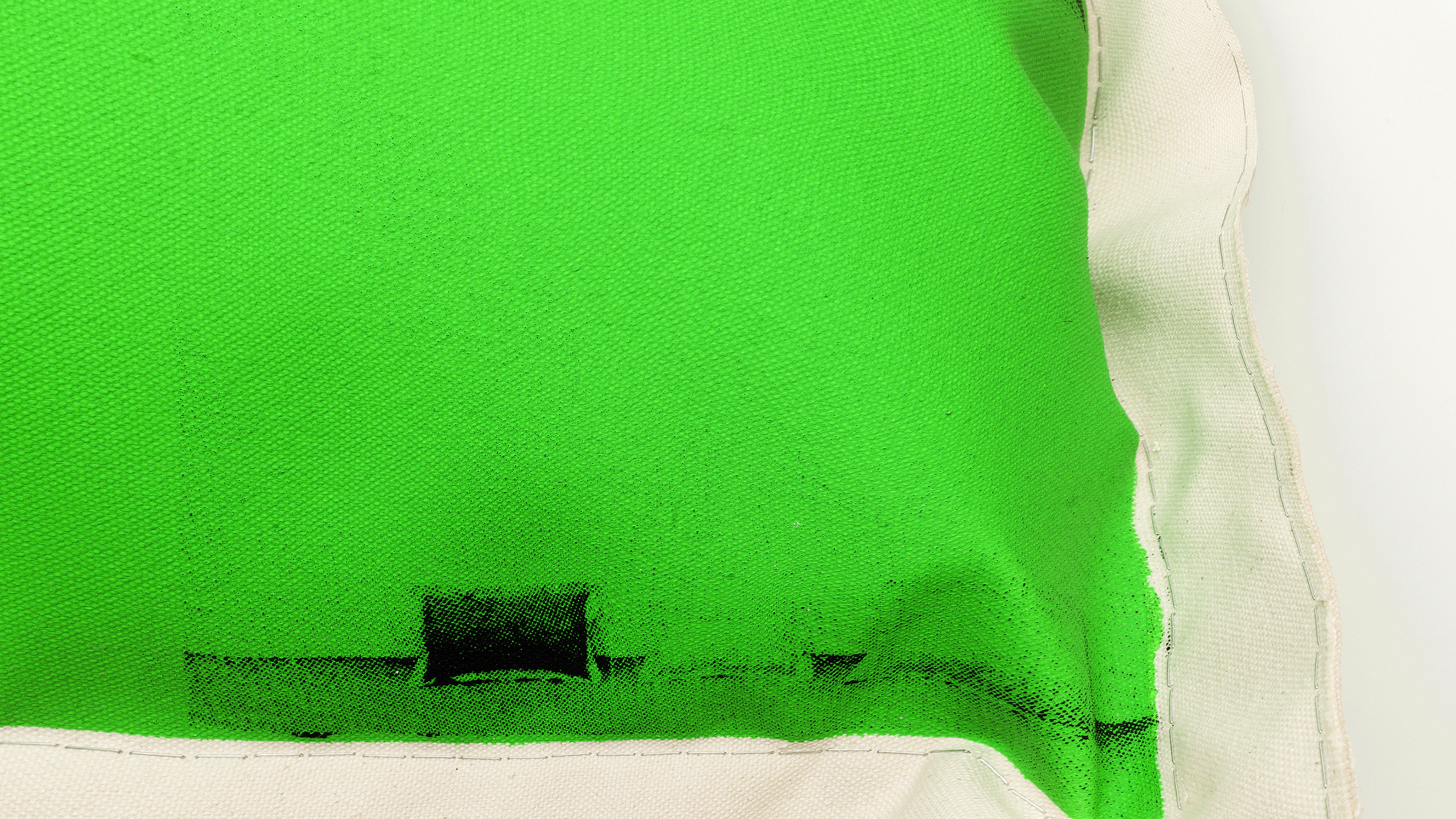
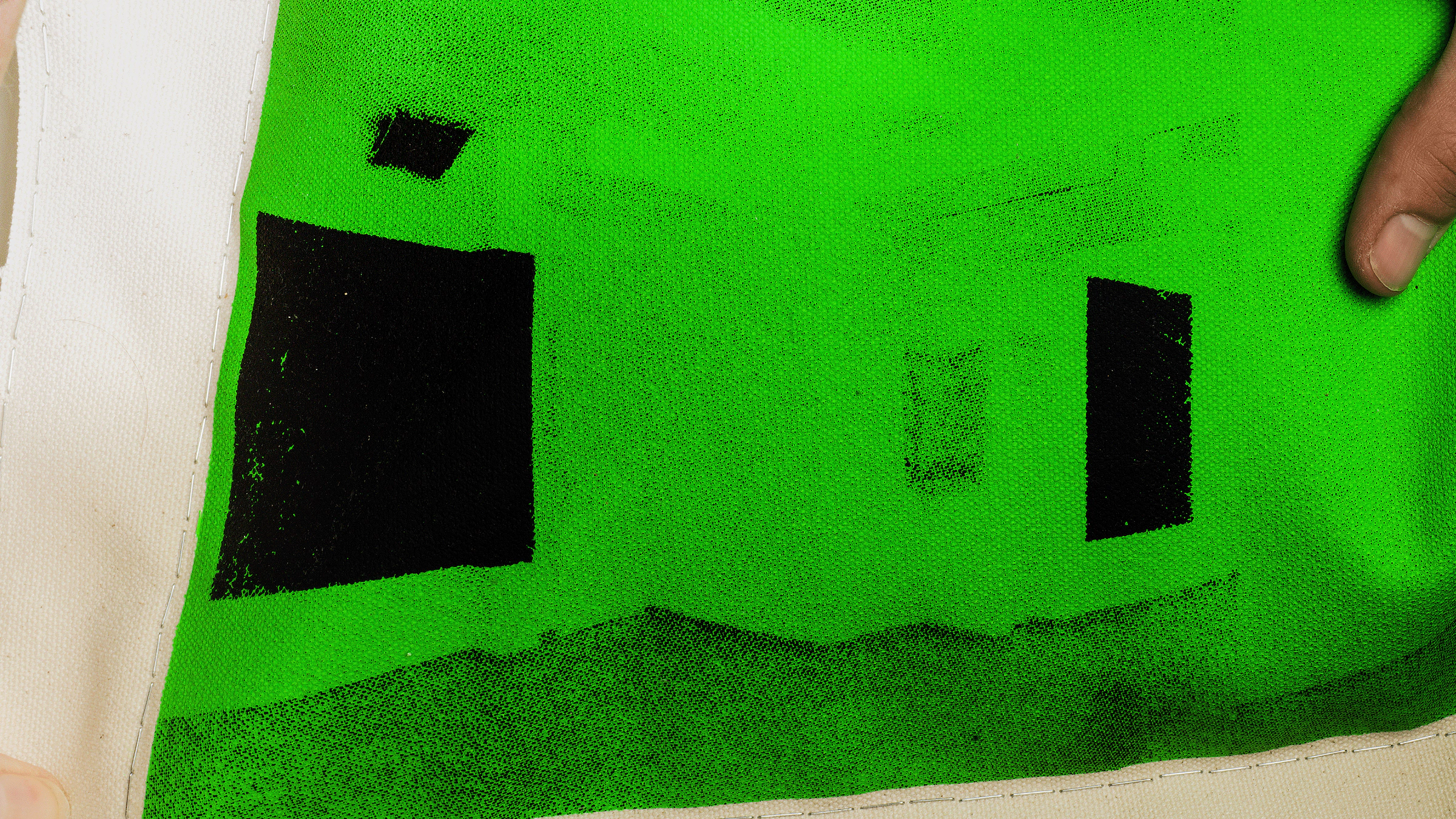
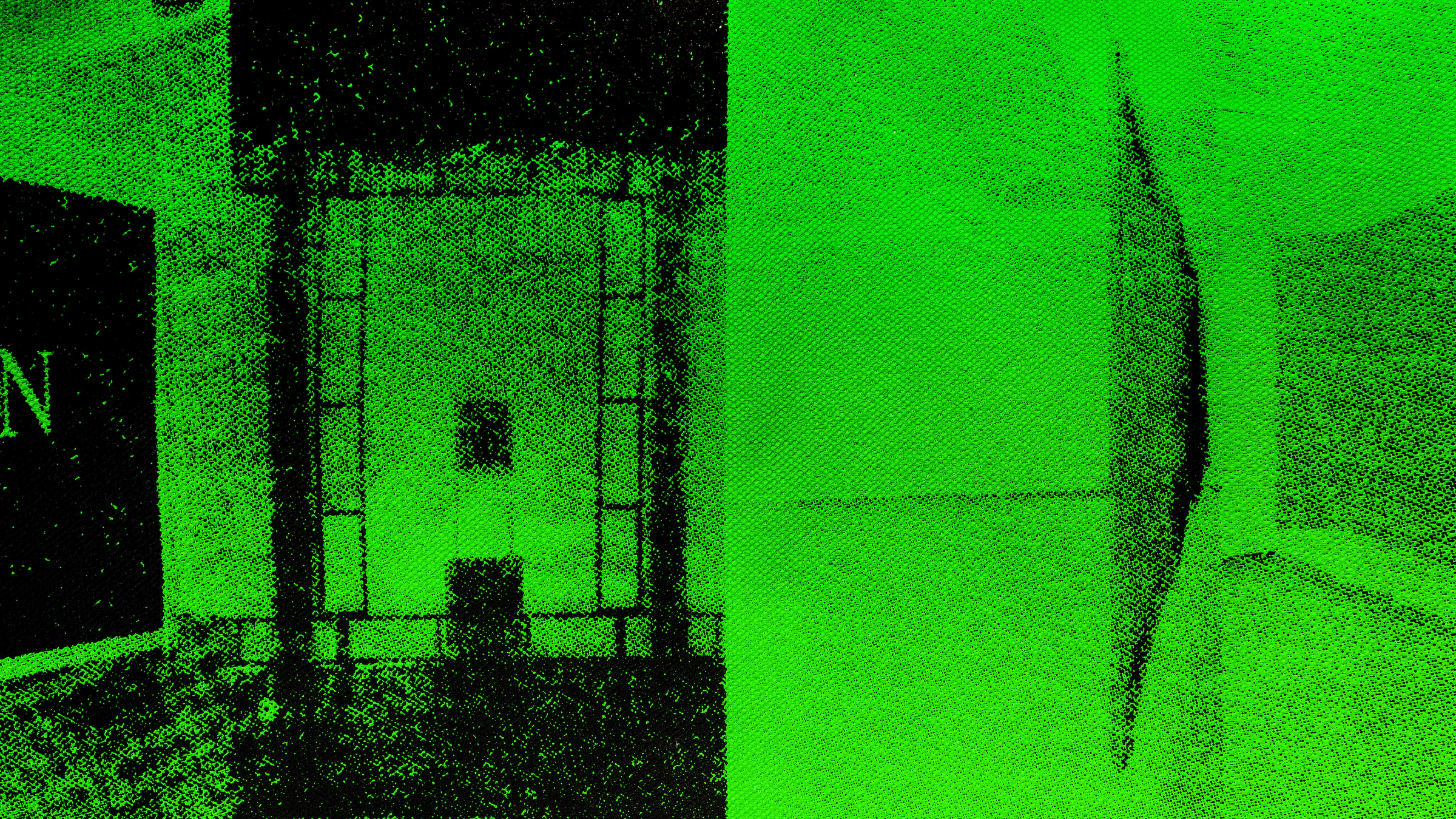
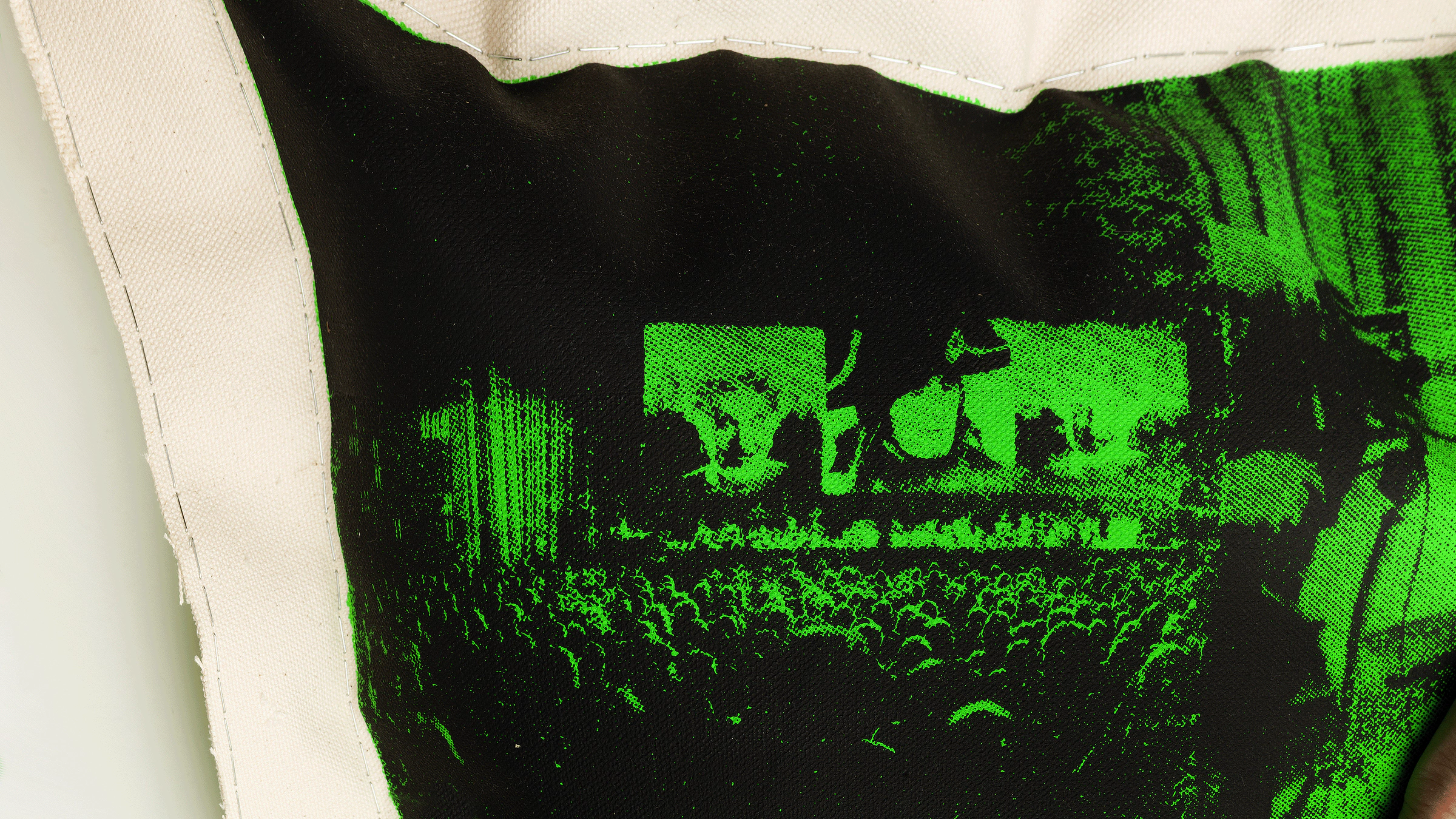
Arthur Fouray,Pierre Huyghe; Damien Hirst2017This bronze head, which houses extraterrestrial life, is the plot behind the Zoodram 5 aquarium by Pierre Huyghe. It works like a Russian doll: a Martian setting contains La Muse endormie by Constantin Brancusi, itself used as a shell by a hermit crab. Aquarium tanks are turning into a contemporary art cliché. They can be seen in the practices of Hans Haacke, Damien Hirst, Pierre Huyghe and Jeff Koons (among others). When you enter the second version of my exhibition, you first see a painting that contains a toy aquarium truck, and the journey ends with a hyperrealistic painting of Walt Disney’s Cinderella Castle. These two poles set the tempo of the exhibition.SCREENArthur Fouray,Gala Committee2017This twist finds another connection in the television series Melrose Place, which became a conceptual art project by the GALA Committee. Between 1995 and 1997, the GALA Committee produced contemporary artworks to be shown in the series. As an example, their RU-486 throw is used by the character Alison throughout the episodes. Its pattern reproduces the structure of mifepristone, the active agent in abortion pills.SCREENArthur Fouray,Félix González-Torres2017Emotional minimalism. Untitled (Loverboy) by Félix González-Torres expresses a loss we will never know in depth. The artist materialises it only as a pale blue, diaphanous surface. McCracken, Figurative, Obsession, 2001, Félix González-Torres: these are my preparatory sketches for the show.SCREENArthur Fouray,Elisa Langlois2017At that time, the exhibition Aristarco at Quark, Geneva, can be seen on RTS television, where the artist Frédéric Gabioud talks with the French humorist Élie Semoun. I am the Hitchcockian viewer.SCREENArthur Fouray,A – la Femme Brune2017‘L’Année dernière à Marienbad’ TRAILER VOICE-OVER 1961 TEXT EXCERPT A large international hotel … … immense and baroque … … with sumptuous but frigid decor A stranger wanders from hall to hall … … down endless corridors … … in search of a woman He tells her they met … ‘Last year …’ Try to remember, … that they had a passionate love affair … … that she herself set this rendezvous … … and that he is going to take her away. But she claims she does not know him. Impossible, I tell you. I have never even been to Frederiksbad. He insists, but she protests even more. What room? I have never been in any bedroom with you You will not remember … … because you are afraid And you do not recognise this photo either? The young woman cedes ground. The stranger – serious, confident – gathers more and more proof. Who is right? Who is lying? Is he a mere seducer? A madman? Or has he just confused two faces? What really happened ‘last year’? You, the viewer, must answer these questions. Watch carefully: … an object … … a gesture … … a decor … Quotes from Brigid Berlin and Andy Warhol in ‘Warhol’ by David Bailey, in 1973: – And I did a Jasper Johns I flushed out twenty-five American flags. Got them during the flush. – What? I am doing FLUSH ART for a long time. – The ocean is the biggest abstract thing around. There is a lot of rocks here too. – I like rocks. Oh yeah, my favourite art is the ROCK ART. – What’s that? – Oh people just dig up land and move the rock, something like that.SCREENArthur Fouray,SCREEN2017Book, image 6 of 9Arthur Fouray,Andy Warhol; Elaine Sturtevant2017Video art appeared in the 1960s with the Fluxus experiments, Jonas Mekas’s Film-Makers’ Cinematheque and Andy Warhol’s entry into film-making. In his exhibition of wallpaper and Silver Clouds at Leo Castelli, Warhol uses the silver pillows as a metaphor between painting and cinema. The piece was then appropriated by Elaine Sturtevant in 1987, the year Warhol died.SCREENArthur Fouray,Sylvie Fleury2017Obsession, the 1994 wall painting by Sylvie Fleury, is a step back towards the Calvin Klein advertisement and a leap forward to the idea of the empty blue screen.SCREENArthur Fouray,Solomon R. Guggenheim Museum2017… a decor … The Cremaster Cycle by Matthew Barney is an exhibition as well as the decor for a fragment of Cremaster 3, The Order.SCREENArthur Fouray,Spectre2017A loose continuum and a hopeless cultural competition: Spectre opens on 12 November 2015, just after the twenty-fourth James Bond film, also called Spectre, opened in France. The opening fell one day before the Paris attacks, adding more ghosts to the story.SCREENArthur Fouray,Morel2017In Adolfo Bioy Casares’s novel, Morel invents a machine that records the actions of human beings and loops them, reproducing reality. The machine keeps running thanks to the cycle of the ocean waves. (The Invention of Morel is one of the key concepts behind the relational aesthetics movement.) Seen by only a few, the enclosed 16-metre curtain acts as a ‘legend’ for viewers, who cannot verify its authenticity.SCREENArthur Fouray,SCREEN2017Book, image 8 of 9Arthur Fouray,Spectre Version 012017The painted cloth is stretched by hand with 350 metres of rope on an aluminium frame. The whole structure hangs from the ceiling.SCREENArthur Fouray,SCREEN2017Book, image 4 of 9Arthur Fouray,SCREEN2017Book, image 7 of 9Arthur Fouray,Peter Thornton2017The castle and the encyclopaedia form a counterpoint. Together they reveal the research on which the exhibition was based.SCREENArthur Fouray,SCREEN2017Book, image 5 of 9Arthur Fouray,Spectre Version 0220172017: Spectre Version 02SCREENArthur Fouray,L’époque et son style2017L’époque et son style is the title of my gouache reproduction of the Walt Disney castle. It is also the French title of Authentic Decor, an encyclopaedia of decoration by Peter Thornton. In SCREEN the castle, like every page, is a silkscreen on canvas; it represents the gouache.SCREENArthur Fouray,Eve Kendall20172017: Eve KendallSCREENArthur Fouray,#aaafff2017The first physical gesture is a monochrome painted curtain, 16 metres long. The curtain was made but never exhibited. It is rolled up inside painted wooden canvases, assembled together as a crate. The crate belongs to Morel, a series of works in which tests are stored.SCREENArthur Fouray,Dan Graham; Kate Moss2017Figurative by Dan Graham combines conceptual art and magazine advertising. The 1993 Calvin Klein Obsession campaign replaces the original right-hand page of Harper’s Bazaar, 1968. Calvin Klein was one of the first ideas behind the show. John Calvin was mostly active in Geneva, and Yves Klein claimed the paternity of the modern monochrome.SCREENArthur Fouray,Spectre Version 022017Second version of my exhibition. The central screen separated into three blue wall paintings, which began a new series in my work: #000fff. Three chroma-key blue wall paintings fill the entire space. They split the Polyvision format into its three individual aspect ratios (1.33:1 + 1.33:1 + 1.33:1) and so bring the three rooms of the space together. They return to the idea of a background behind the 16-metre curtain. Through the film format and the chroma-key blue, the wall paintings clearly set the space up as an interface.SCREENArthur Fouray,Alfredo Aceto2017Rue de la Muse links the square to the exhibition space. Alfredo Aceto lived on this street from 2015 to 2016.SCREENMore
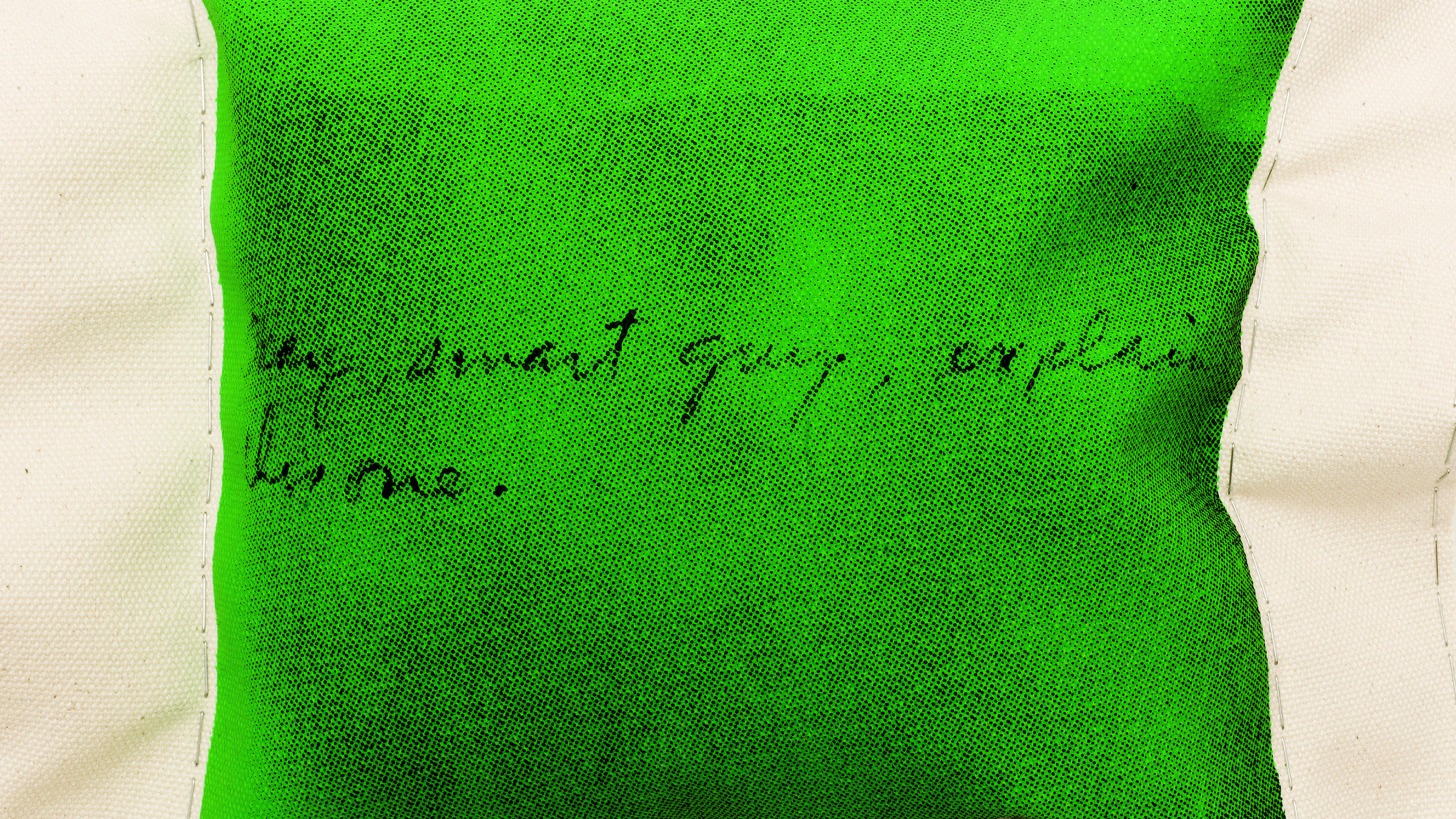
Arthur Fouray,Delphine Seyrig; Brian De Palma2017Inter, from Interview no. 3, composes a riddle with the monumental face in Brian De Palma’s film Mission to Mars.SCREENArthur Fouray,Giuseppe Naudin2017For six months I wanted to discover a new arrangement: how were paintings hung, historically, before picture rails? That question remains unanswered. At first, paintings were set into wooden walls, like a fresco, but on a wooden panel. Then the moulded border of the painting became a frame, and paintings were hung on picture rails covered with silk and embellished with trimmings. What I became interested in concerns another theme of classical decoration: the monochrome surface has existed in interiors since the Renaissance. Wooden mouldings held figurative paintings and enclosed monochrome surfaces that brought out their structure. The monochrome does not originate in Giotto’s sky fresco in the Arena Chapel: it comes from the ordinary interior design of the Renaissance, Baroque and Classical periods. The classical interior disappears during the nineteenth century, replaced by wallpaper, then by painted plaster walls.SCREENArthur Fouray,Paul Grimault2017The palace of Takicardie and Cinderella Castle share a postmodern arrangement of existing European castles. These cartoons give children a clear mental picture of what a castle should look like: a postmodern Tower of Babel.SCREENArthur Fouray,Mathilde de Flandre2017The Bayeux Tapestry is the principle that defines how the curtain relates to the other works in the show. Each of them marks a specific moment in art history. Together they were meant to form a narrative in space, with the curtain as the projection surface.SCREENArthur Fouray,SCREEN2017Book, image 3 of 9Arthur Fouray,David Bowman2017John McCracken was thought to be the artist behind the monolith in 2001: A Space Odyssey. He strongly believed in UFOs. The room where the old David Bowman finally faces the monolith brings a classical setting and science fiction together.SCREENArthur Fouray,Dominique Gonzalez-Foerster2017Geneva, 2015. The diamond-shaped Plainpalais square reveals artists’ neon works on top of the surrounding buildings. Expodrome, by Dominique Gonzalez-Foerster, sets the frame.SCREENArthur Fouray,Philippe Thomas2017IFP’s Grande Surface shares the same political message about advertising. The piece is a monochrome chroma-key green wall painting paired with a folding seat the visitor can sit on. Critical thinking.SCREENArthur Fouray,SCREEN2017Book, image 9 of 9Arthur Fouray,Adrien Brody; James Franco2017The other way round, film stars have recently become fond of making art. After Sylvester Stallone and David Bowie, who exhibited paintings, younger actors became deeply involved in art. Among others, Leonardo DiCaprio, Brad Pitt, Adrien Brody and James Franco are active in the art world in the 2010s.SCREENArthur Fouray,Brigid Berlin2017… an object … Brigid Berlin’s 25 Flushed American Flags presents a gesture captured by a photograph.SCREENArthur Fouray,Andy Andy Andy2017The monochrome is not the death of painting: it is a very old invention. The link between painting and cinema rests on their common subjects.SCREENArthur Fouray,Kasimir2017A piece like Kazimir Malevich’s Black Square could not have appeared in a classical interior: modern interior design made it possible.SCREENArthur Fouray,SCREEN2017Book, image 2 of 9Arthur Fouray,John McCracken2017‘Okay, smart guy, explain this one.’ is a handwritten note by John McCracken. Elisa Langlois, the curator, wanted to borrow the punchline as the title of my show.SCREENArthur Fouray,Frédéric Gabioud2017The night of my opening, Frédéric Gabioud wears the title of my show on his cap: Spectre.SCREENArthur Fouray,Spectre Version 022017What Spectre means is an invitation to the visitor into an exhibition space that is an interface: a decor based on specific objects, activated by walking.SCREENArthur Fouray,Philippe Parreno; Spectre Version 012017Inspired by the translucent screens used by Philippe Parreno, my curtain becomes a 7-metre screen painting in the Polyvision film format (4:1). A screen has a shape before it has an image.SCREENArthur Fouray,Abel Gance2017Cinema quickly took over the roles painting had played in society: portraiture, the romantic, the historical. Napoléon by Abel Gance, the film that introduced the Polyvision format in 1927, is a perfect illustration of this transition at the beginning of the twentieth century. The silent film gives the viewer different perspectives on the same scene across three screens, each tinted in a strong colour.SCREENArthur Fouray,Solomon R. Guggenheim Museum2017… a gesture … Maurizio Cattelan’s America is an object the visitor can use freely.SCREEN