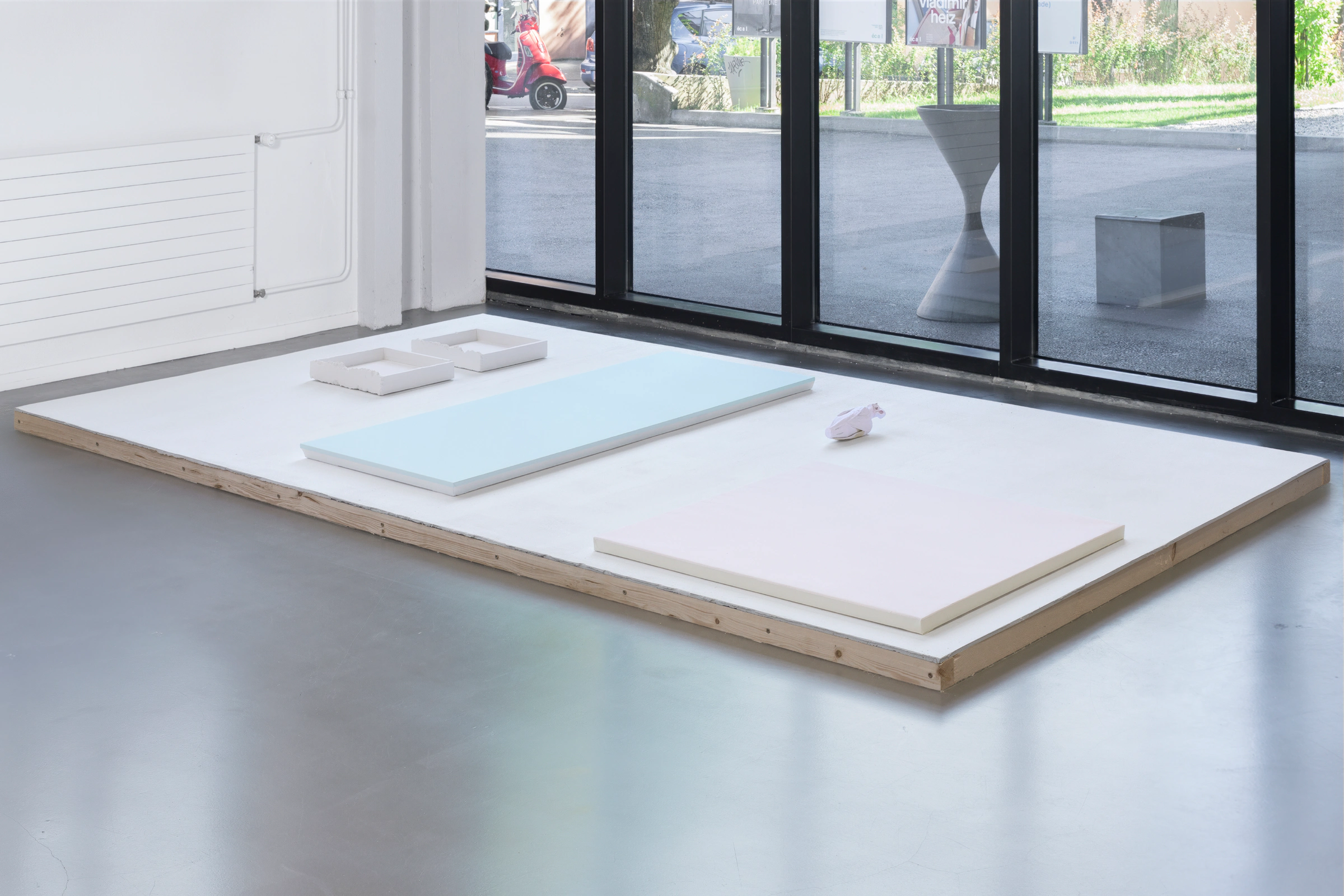
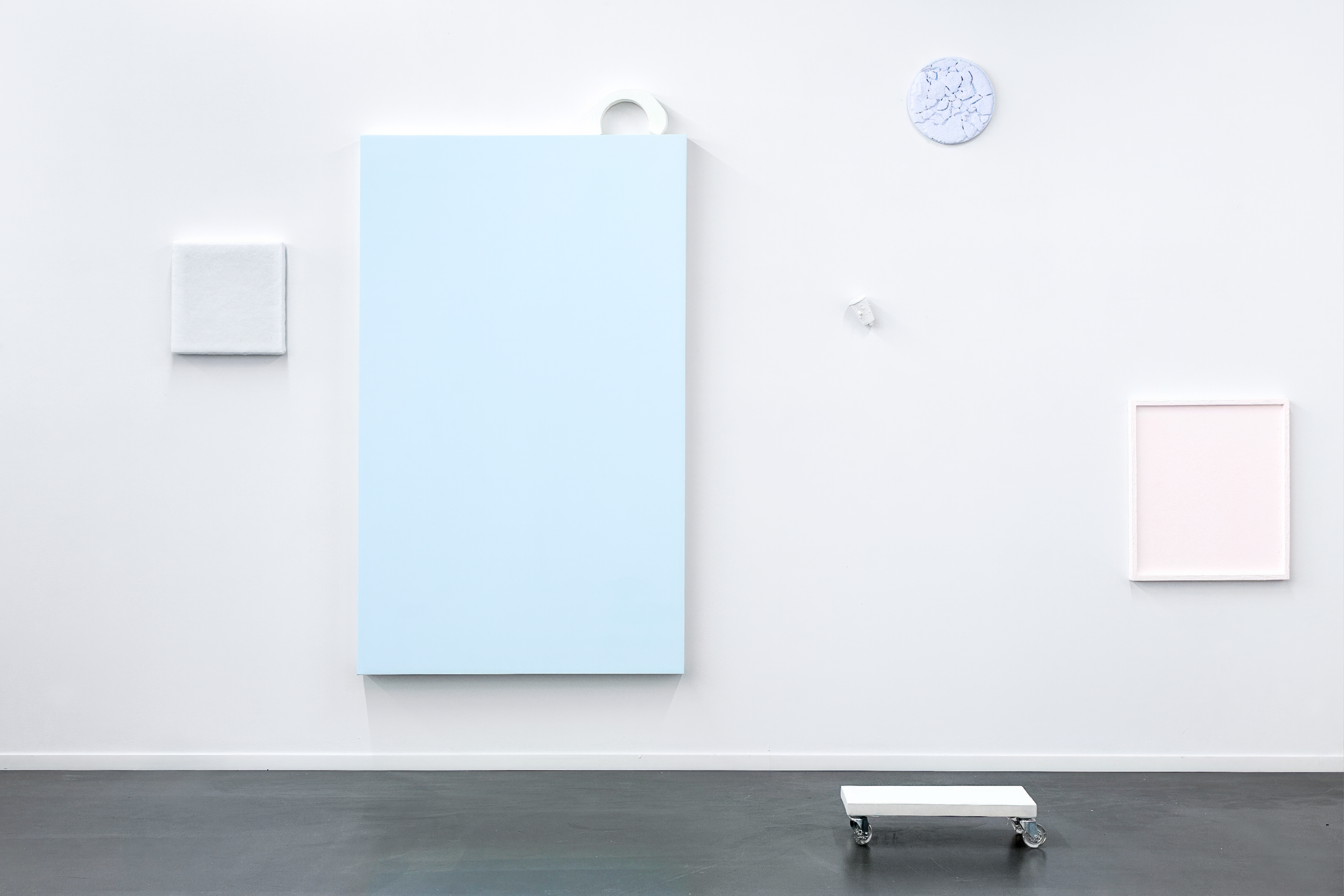
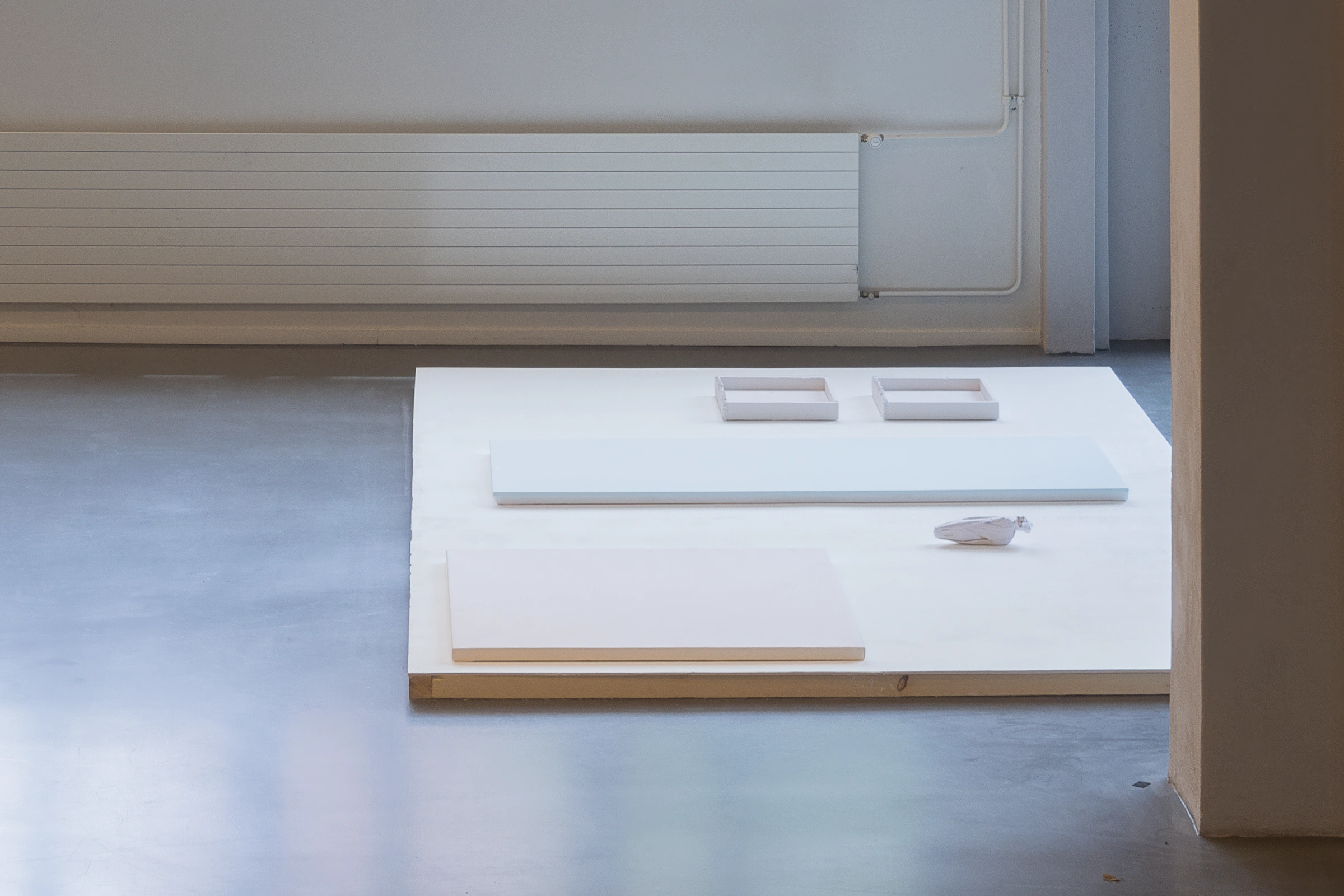
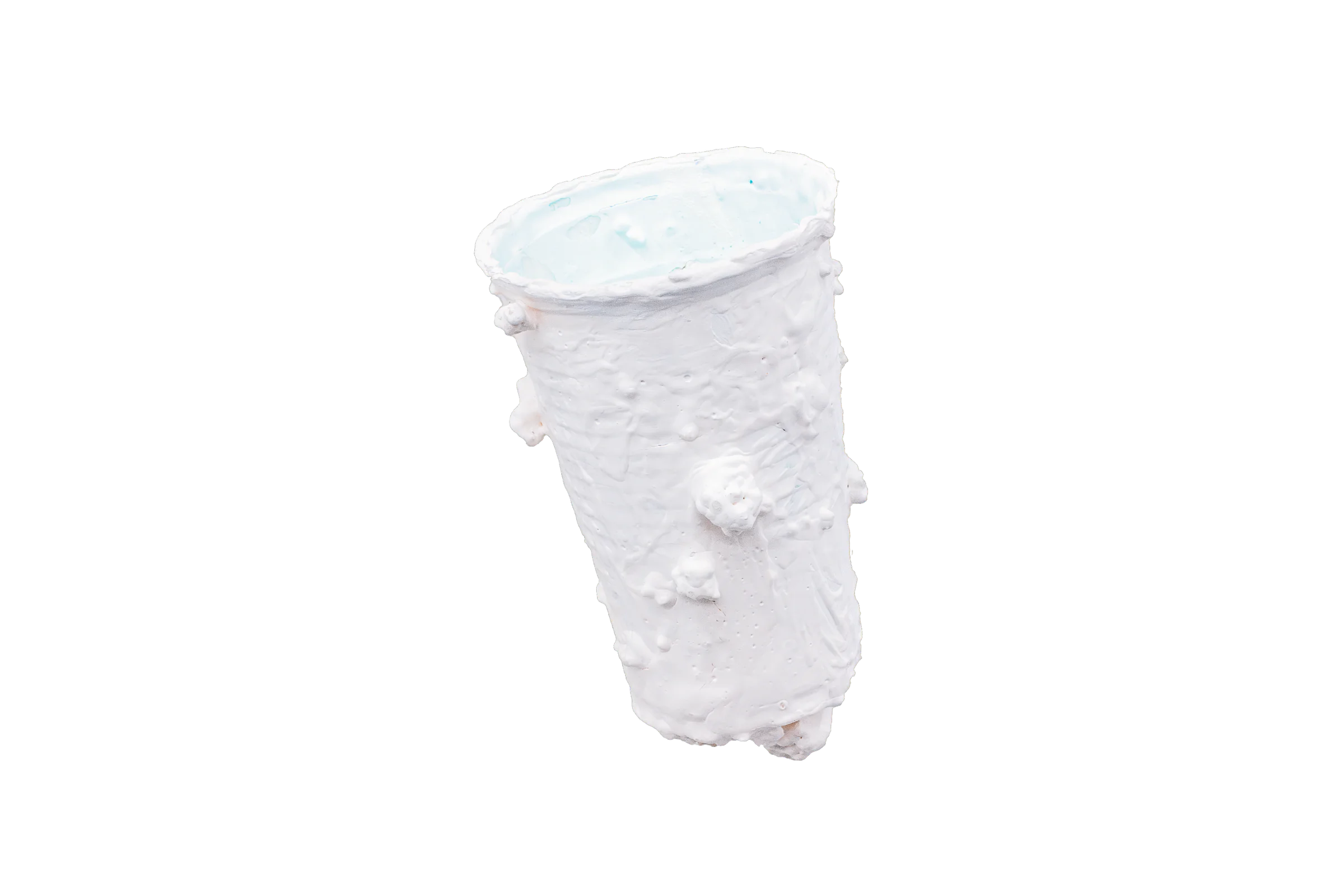
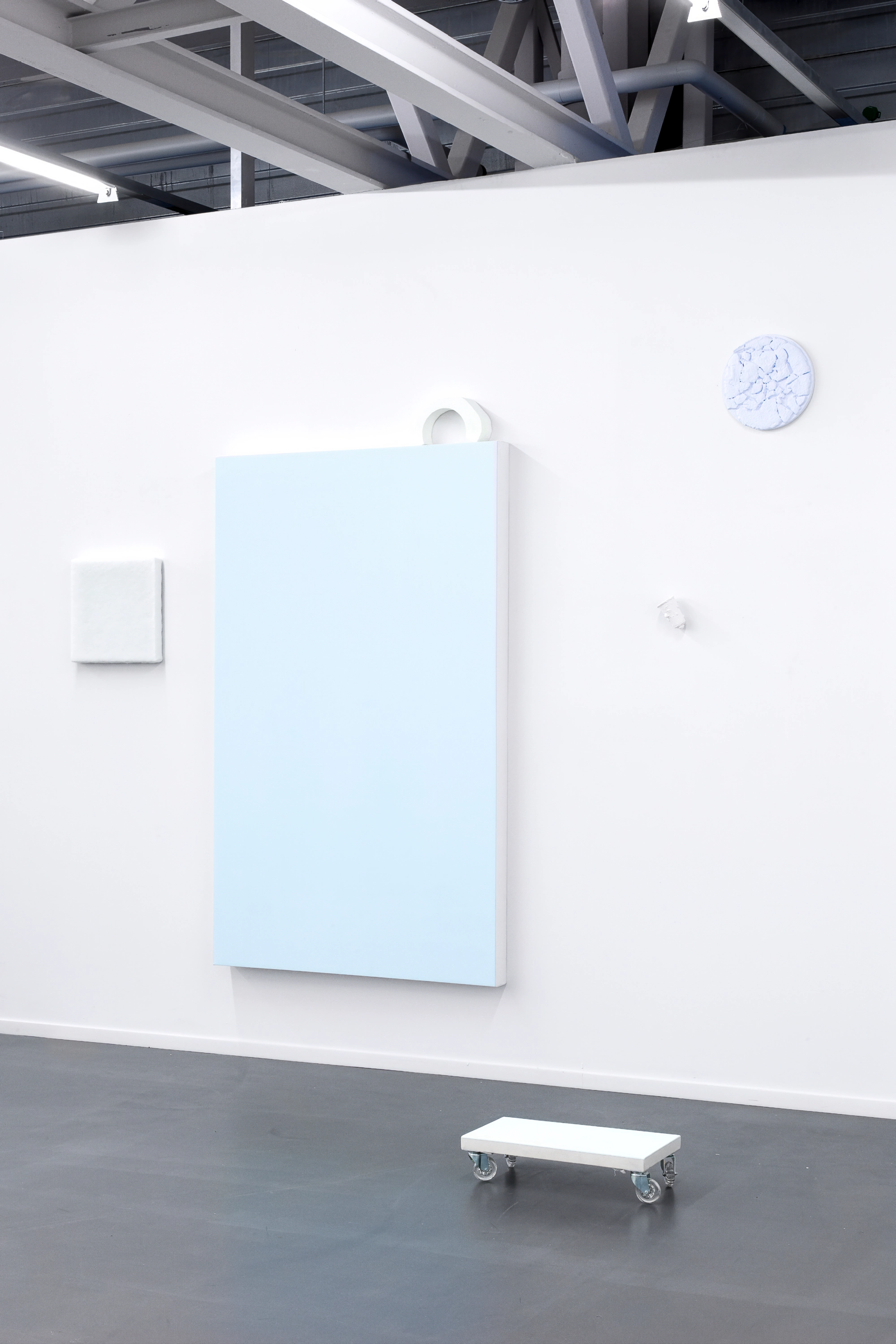
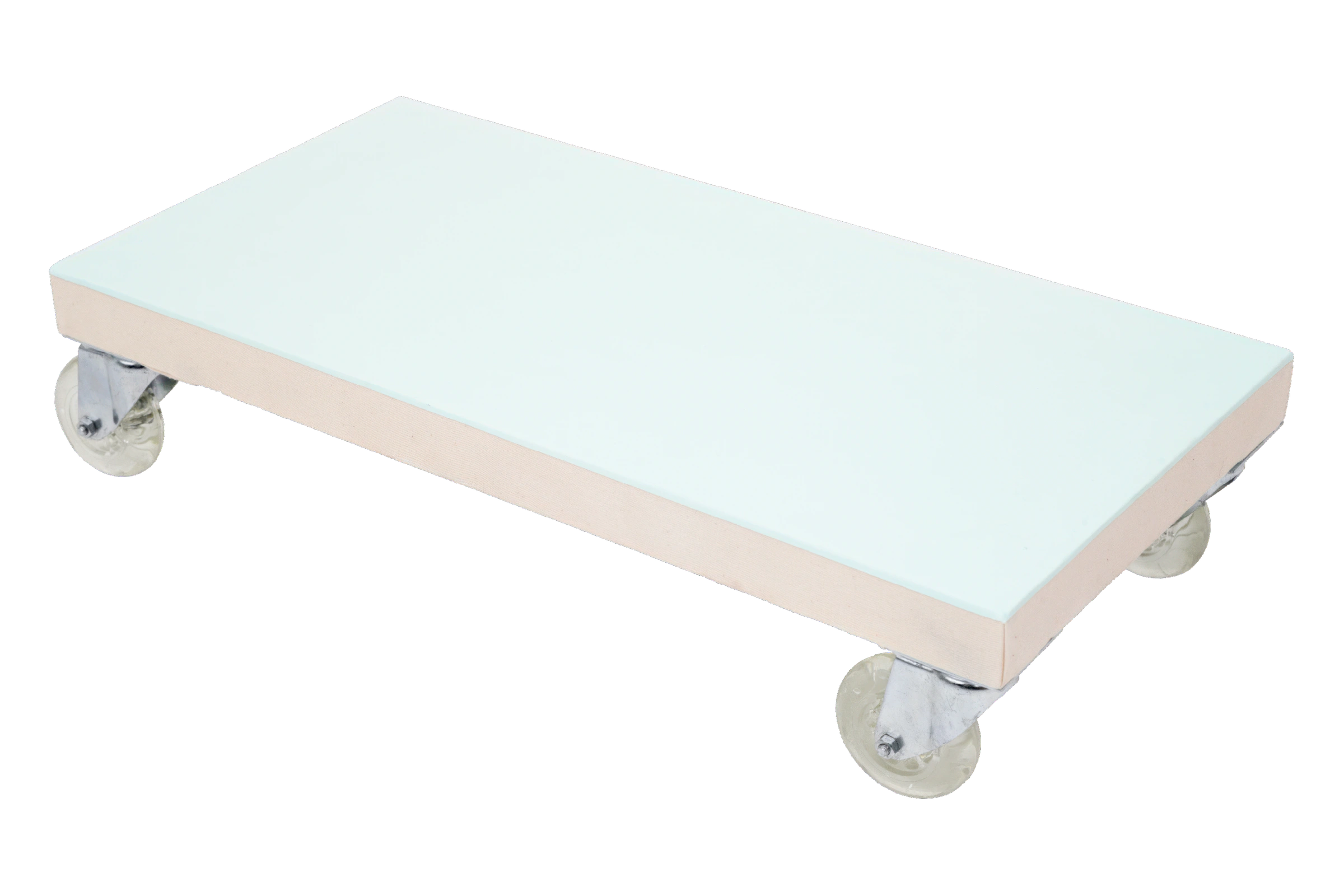
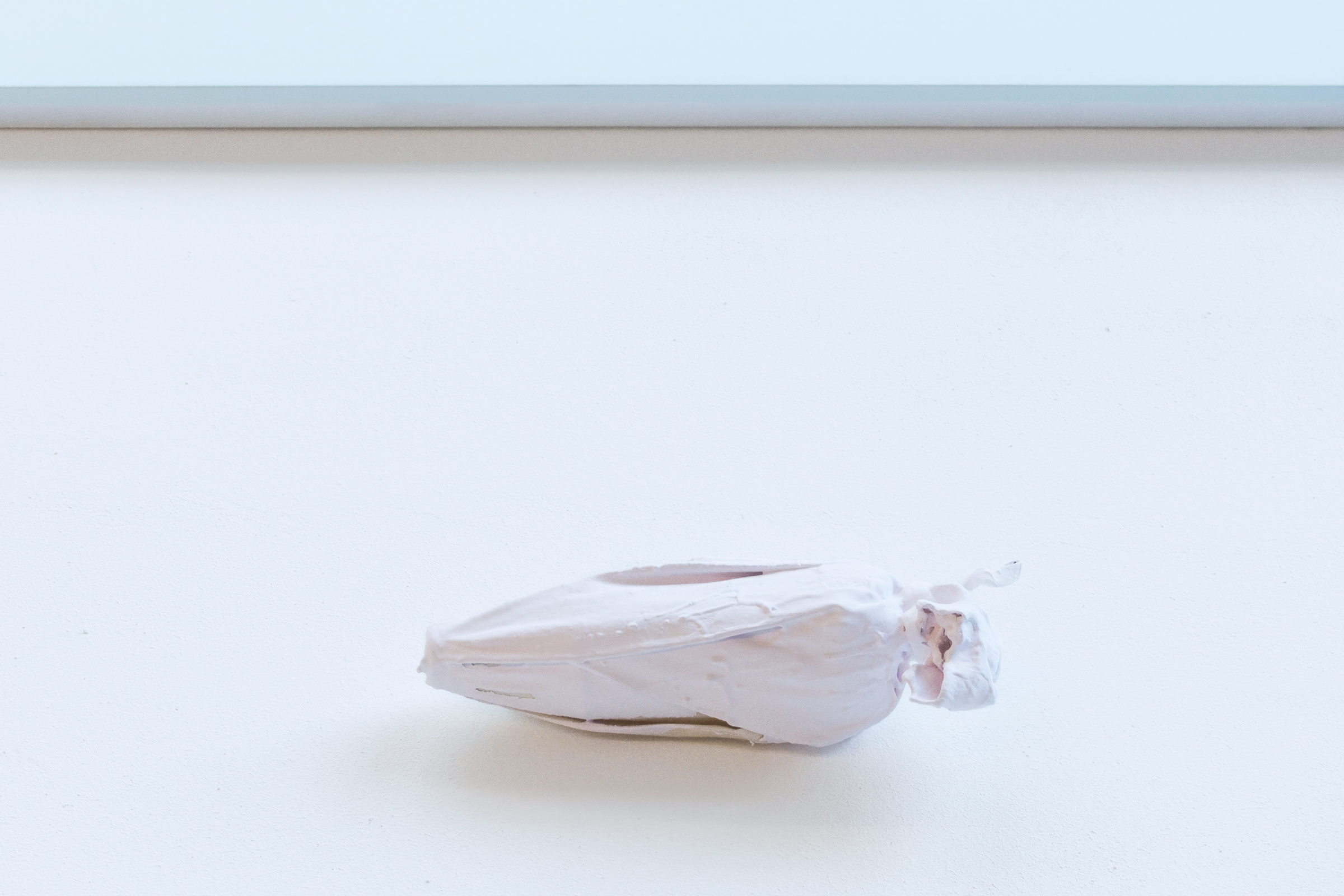
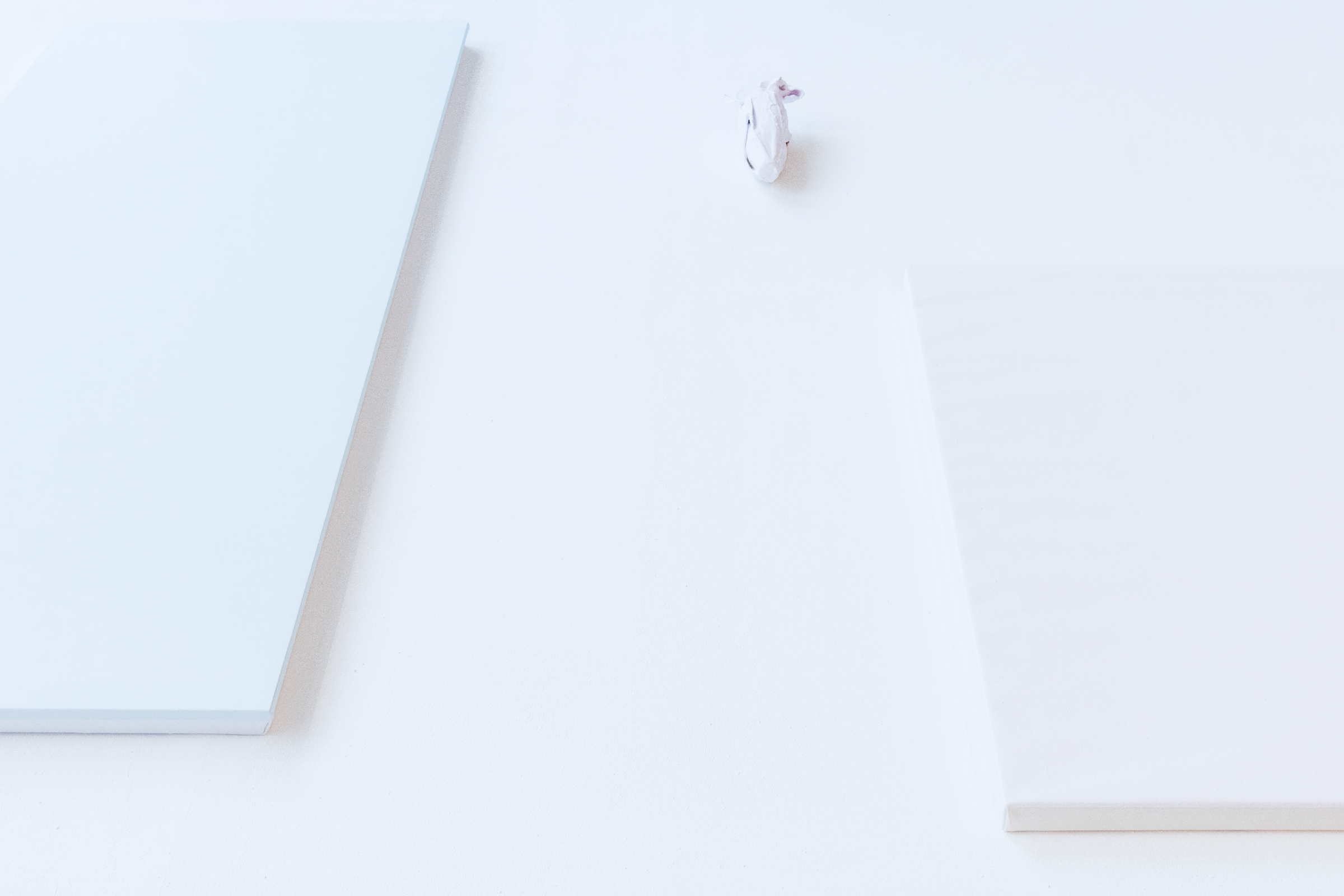
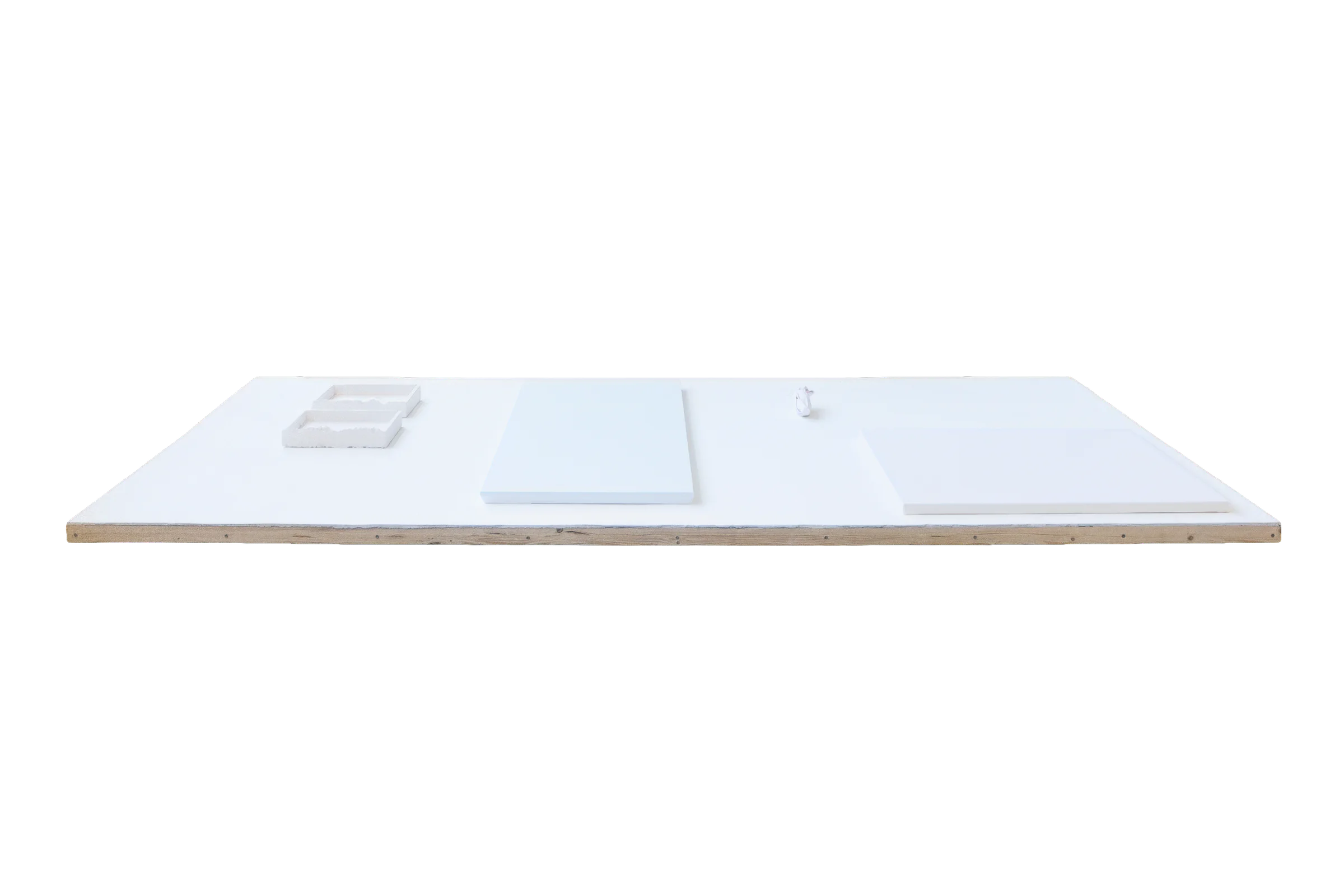
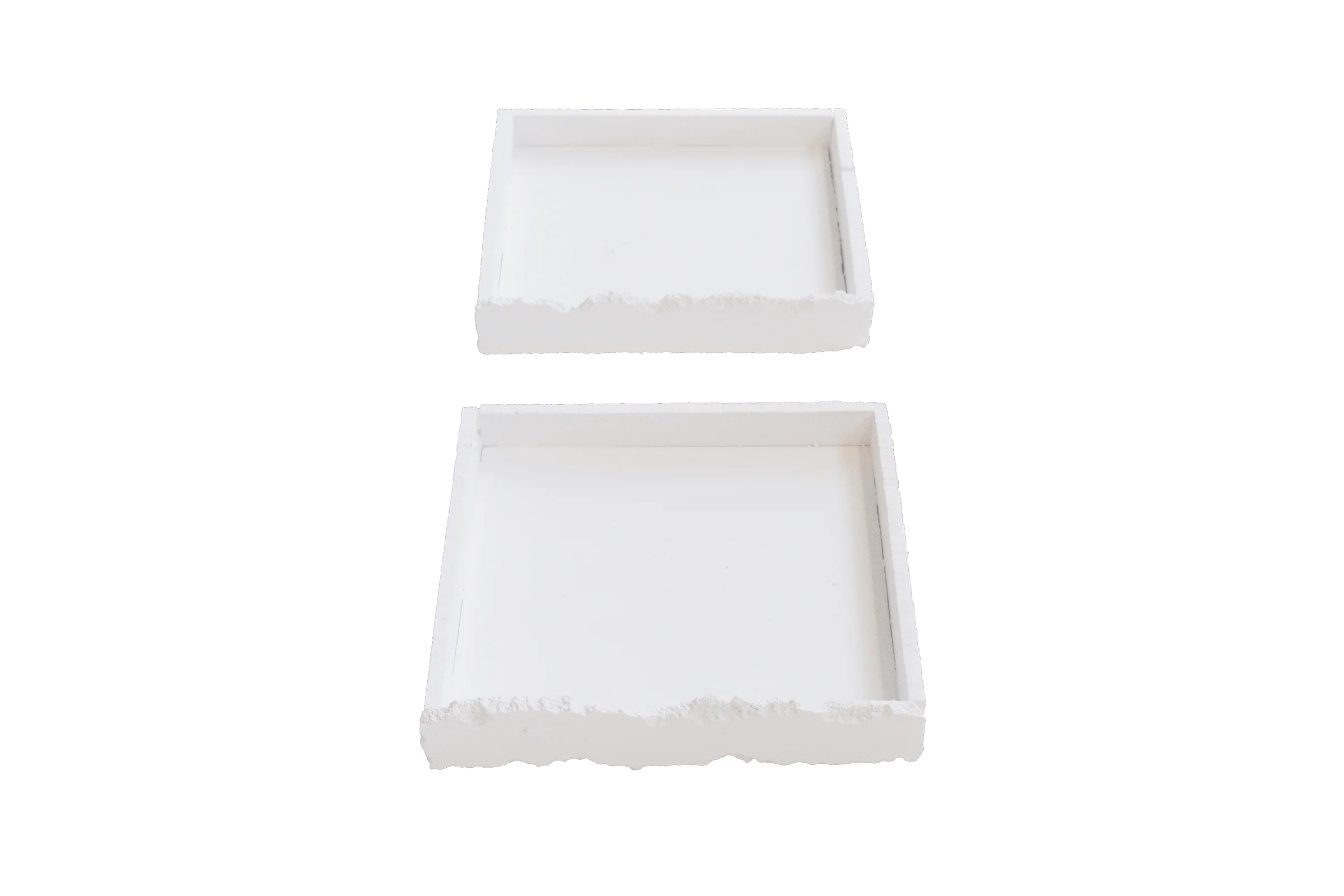
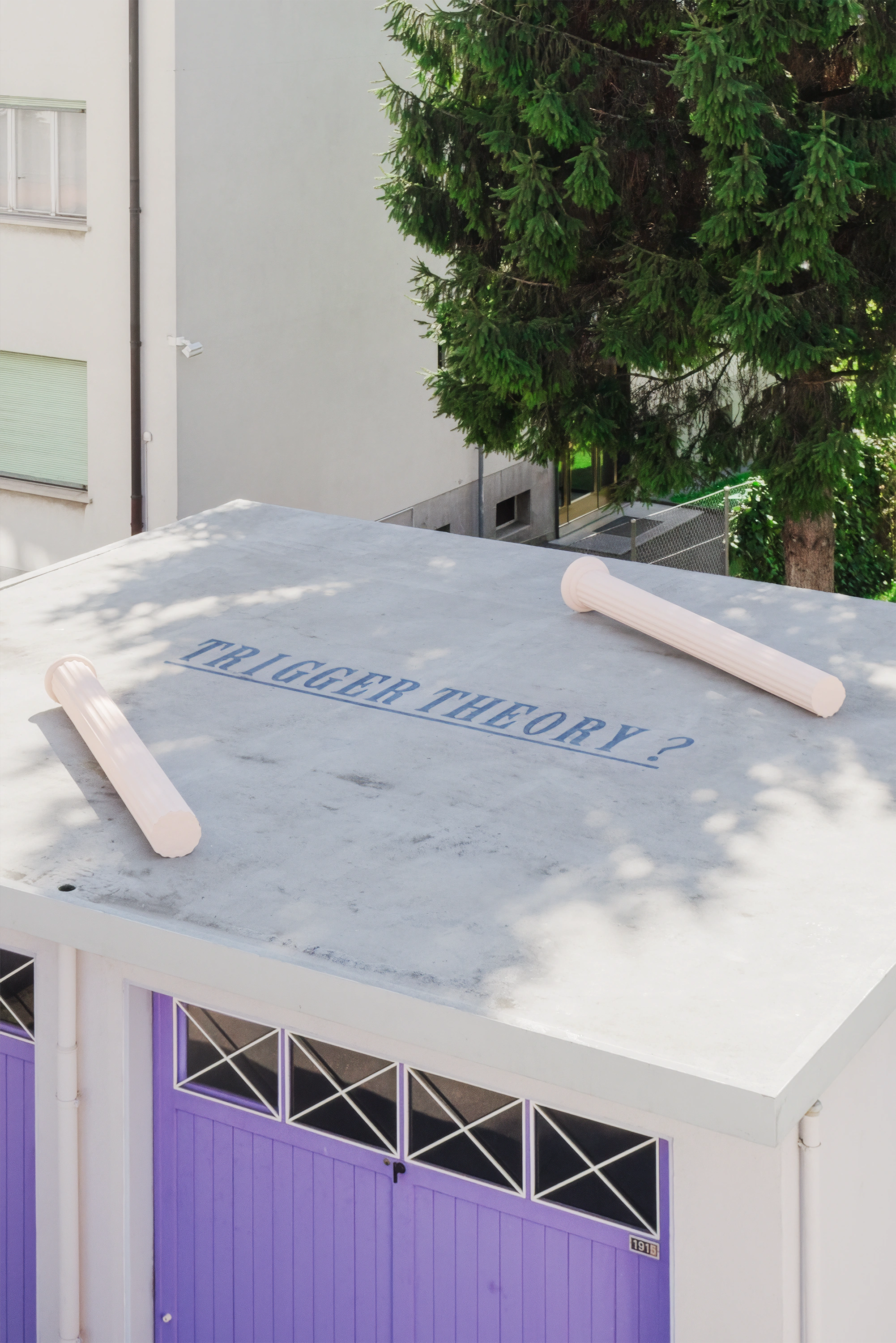
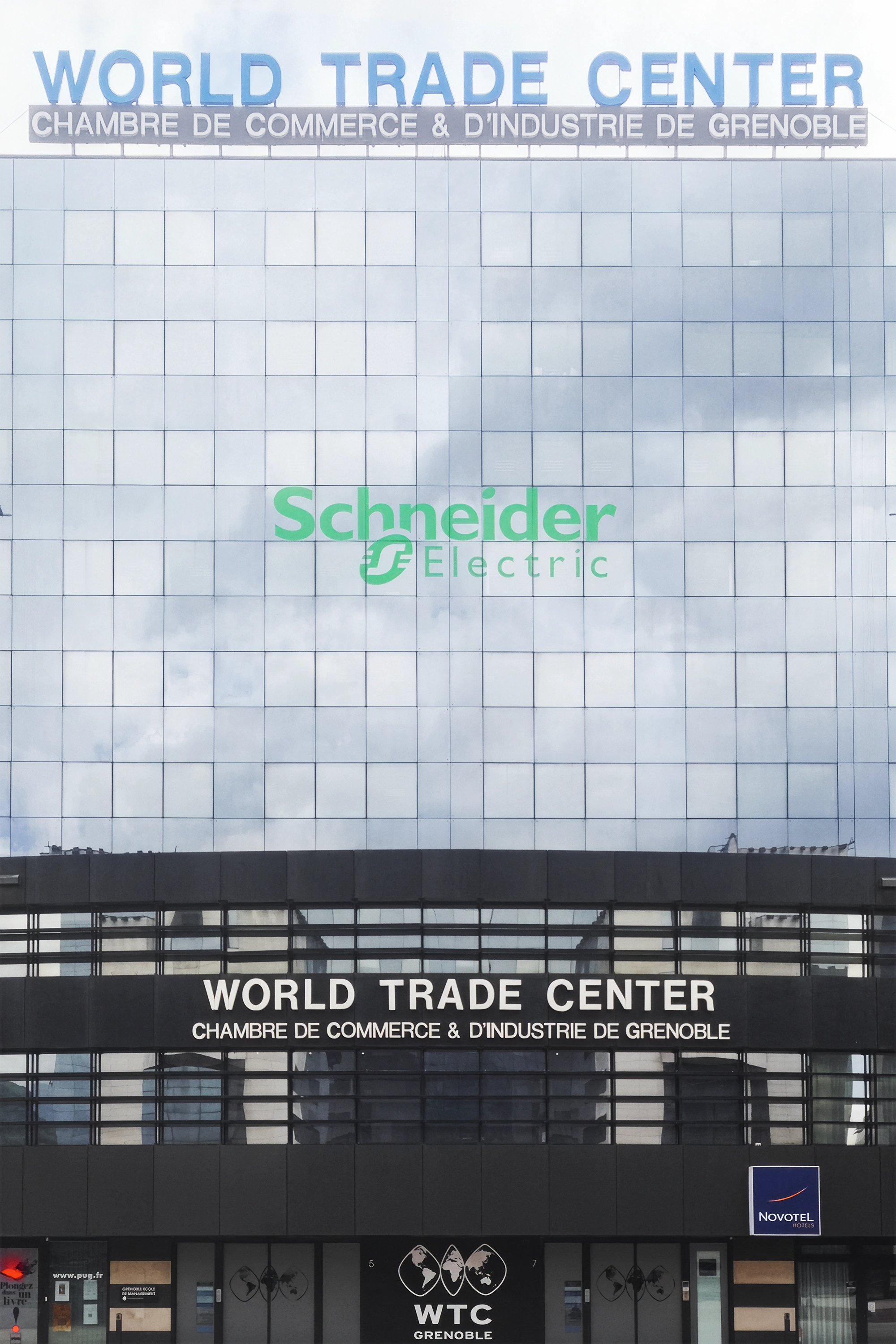
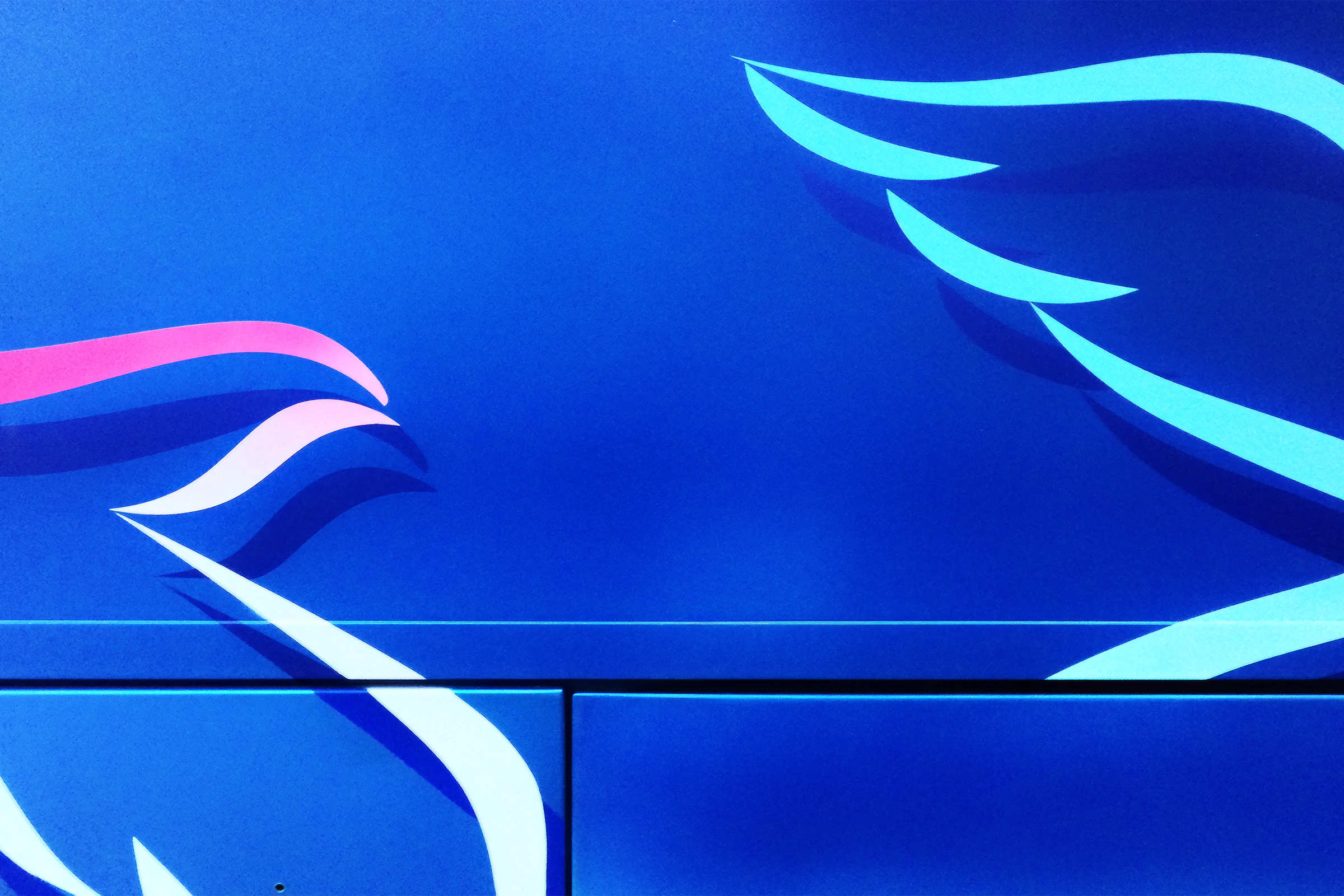
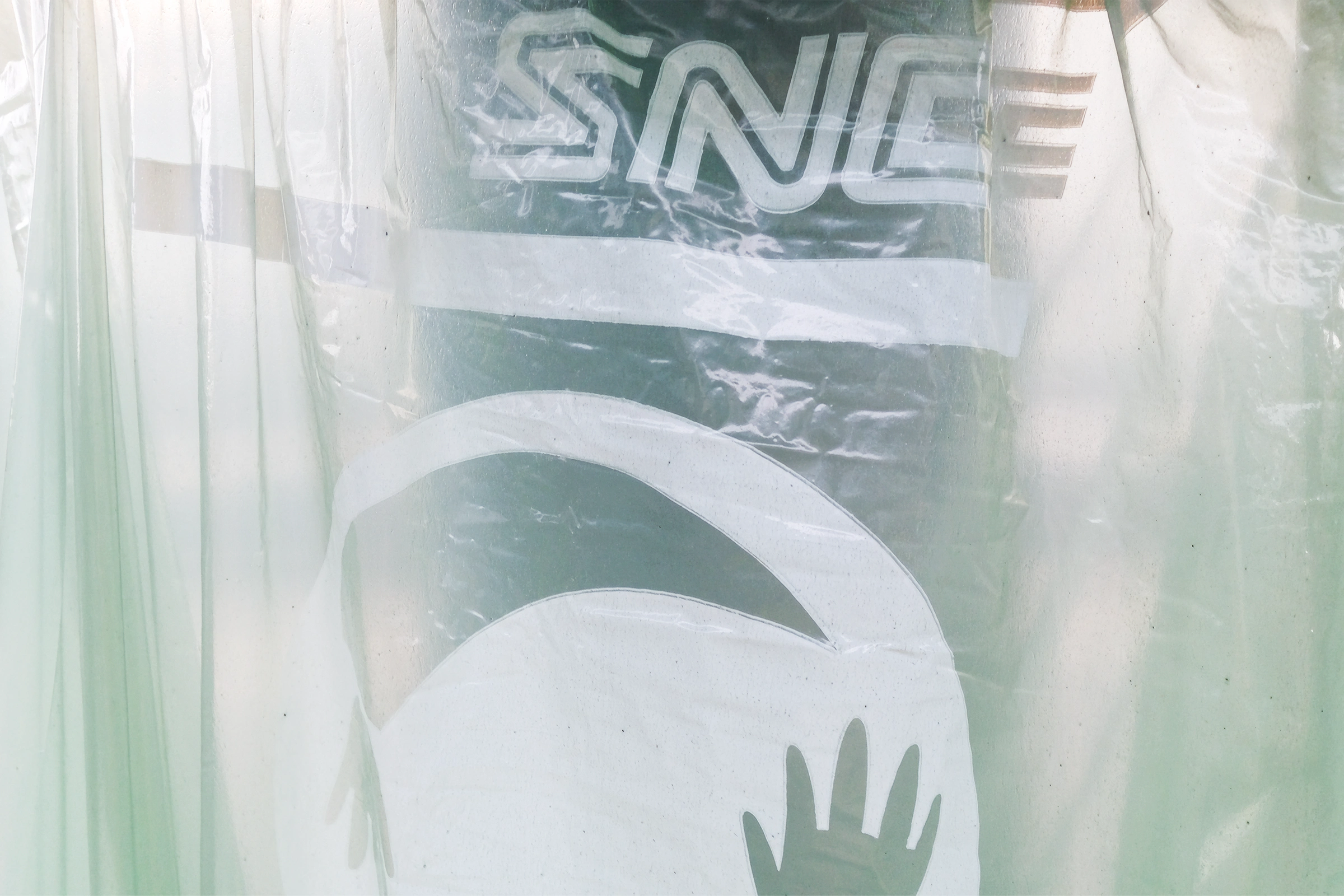
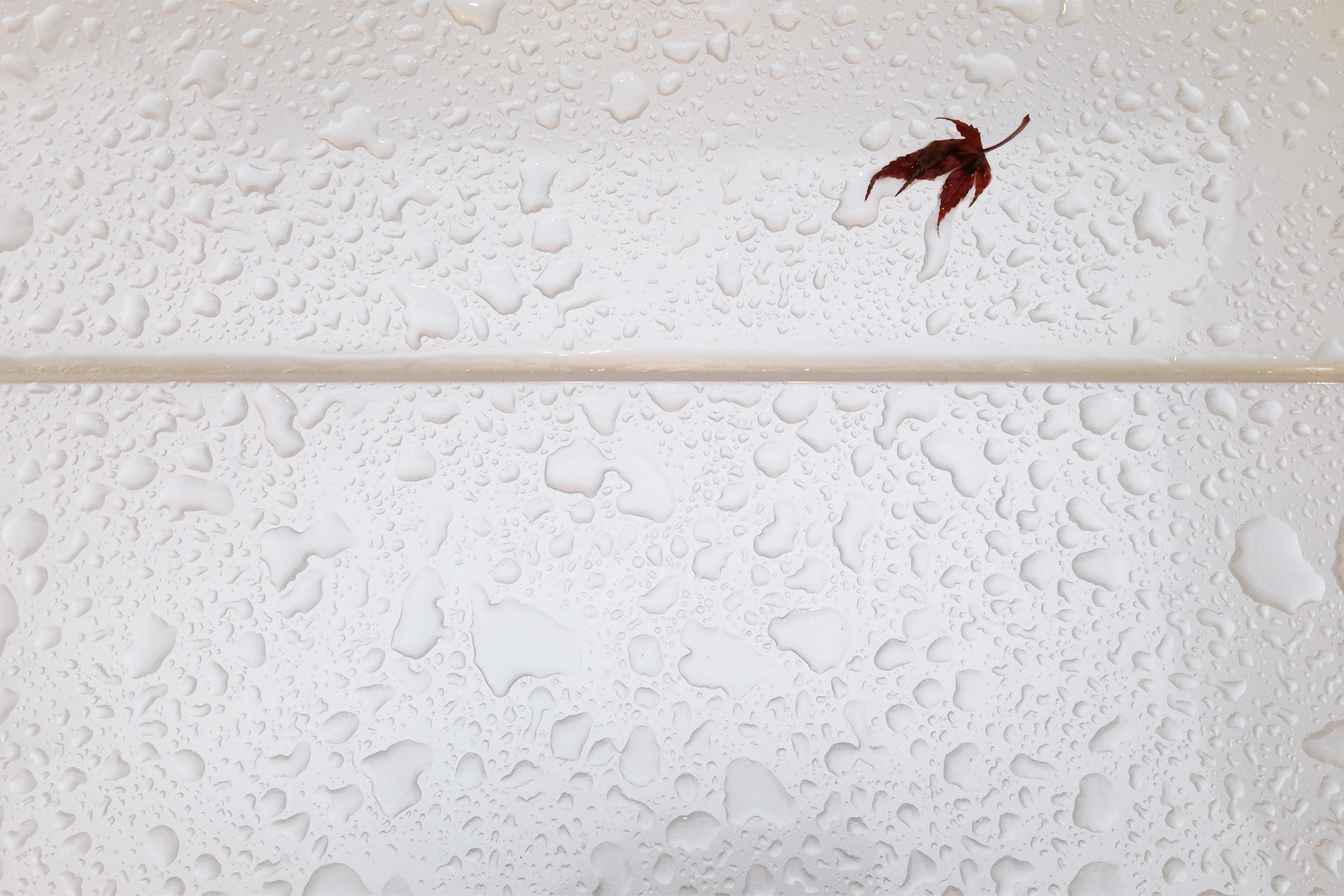
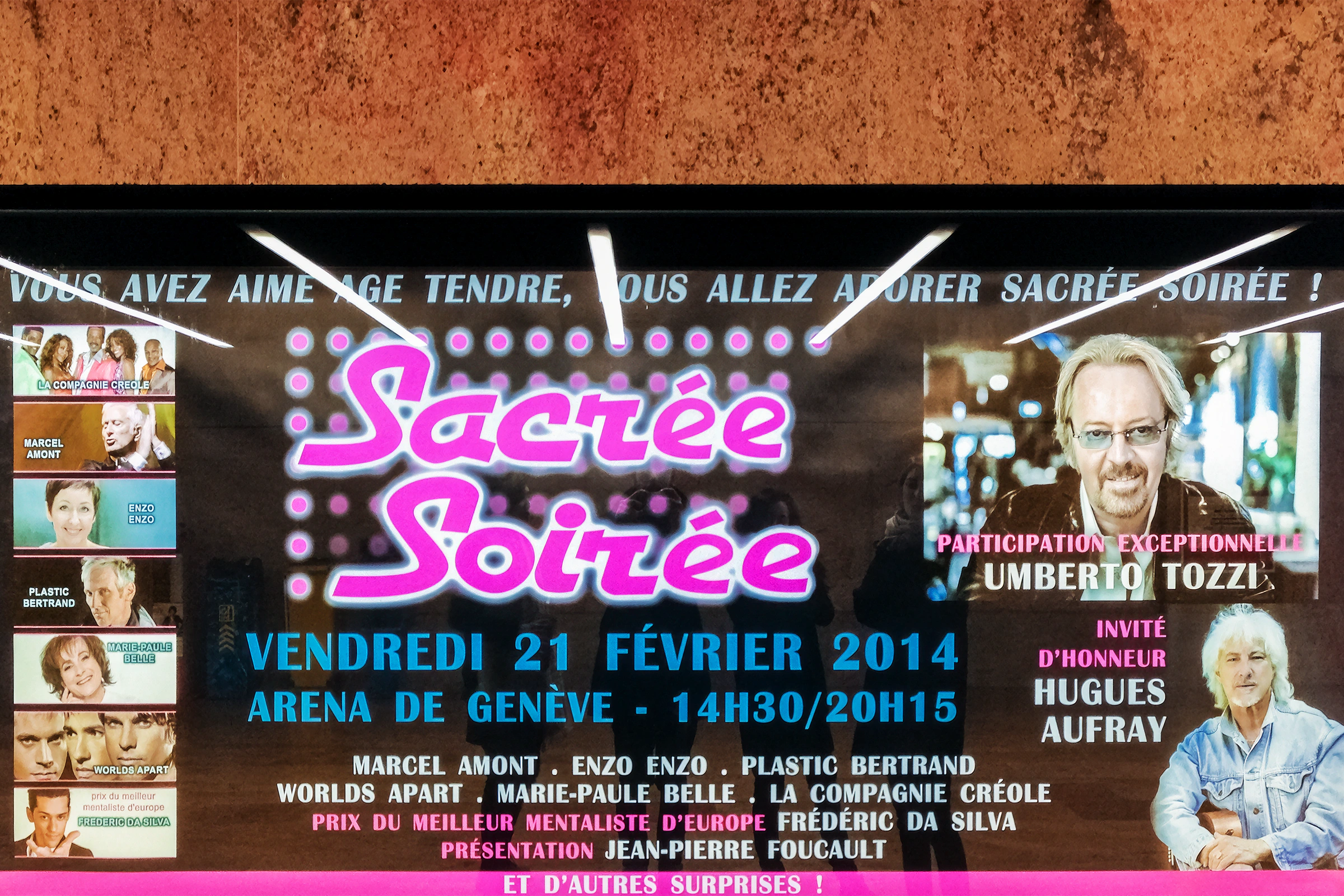
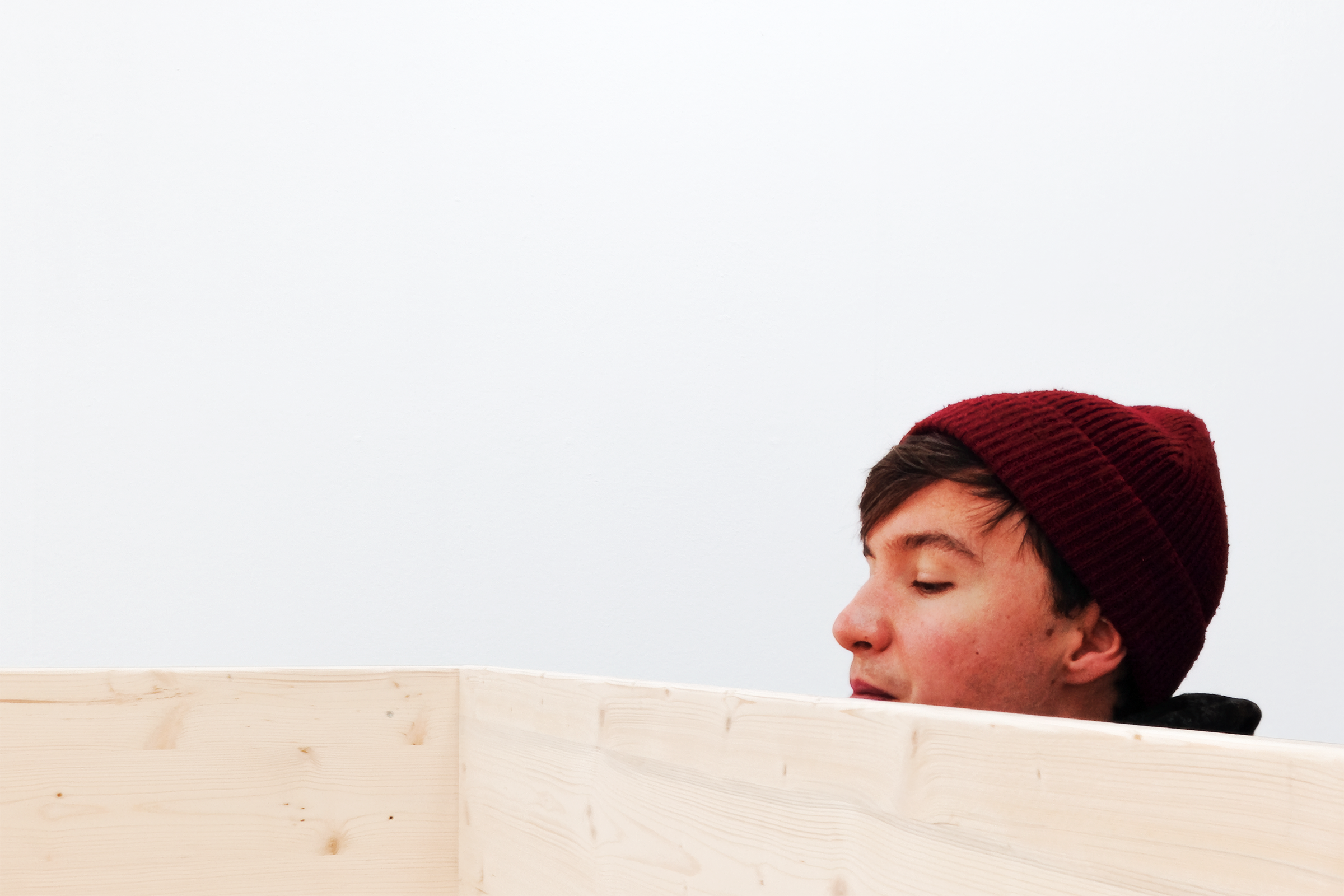
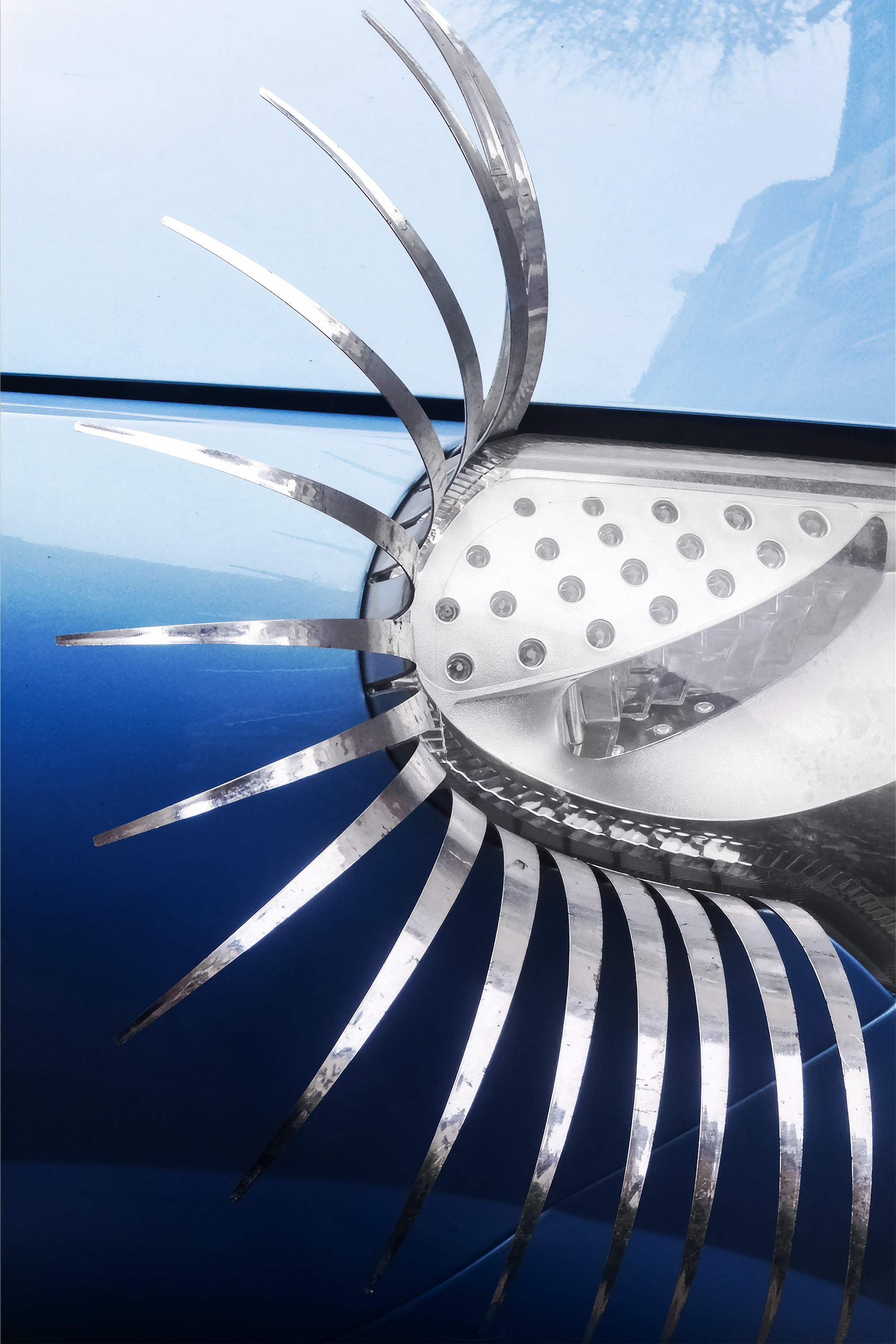
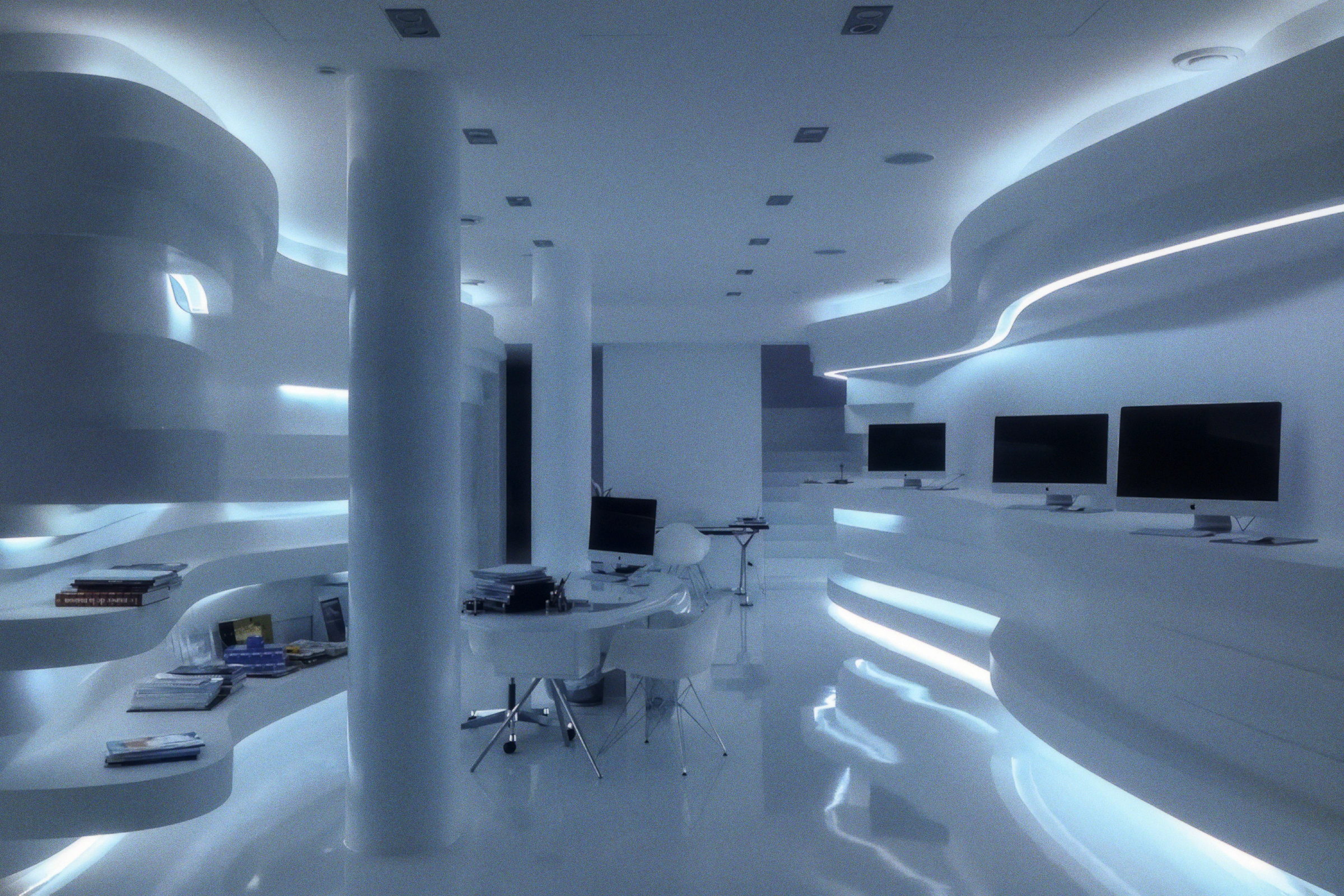
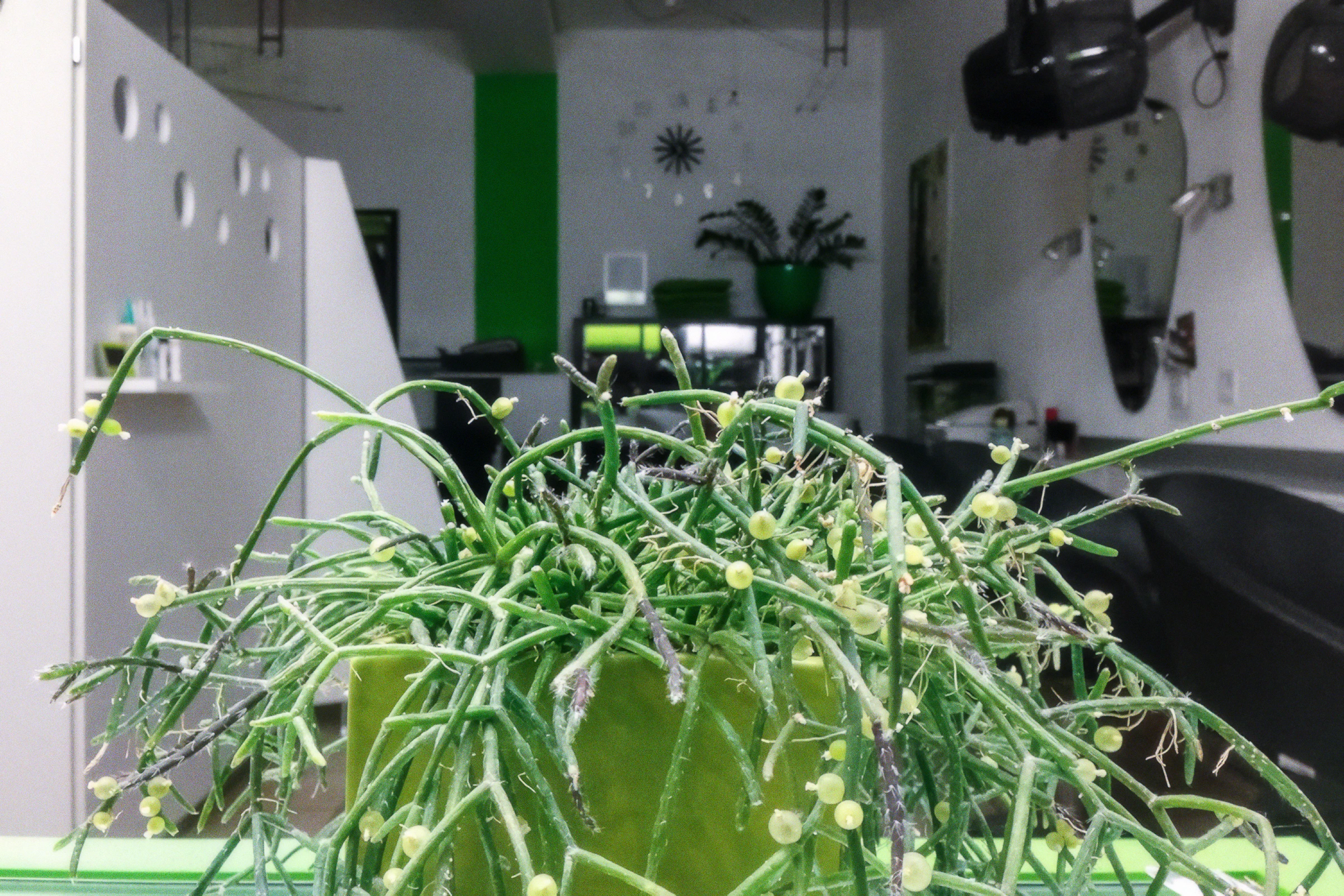
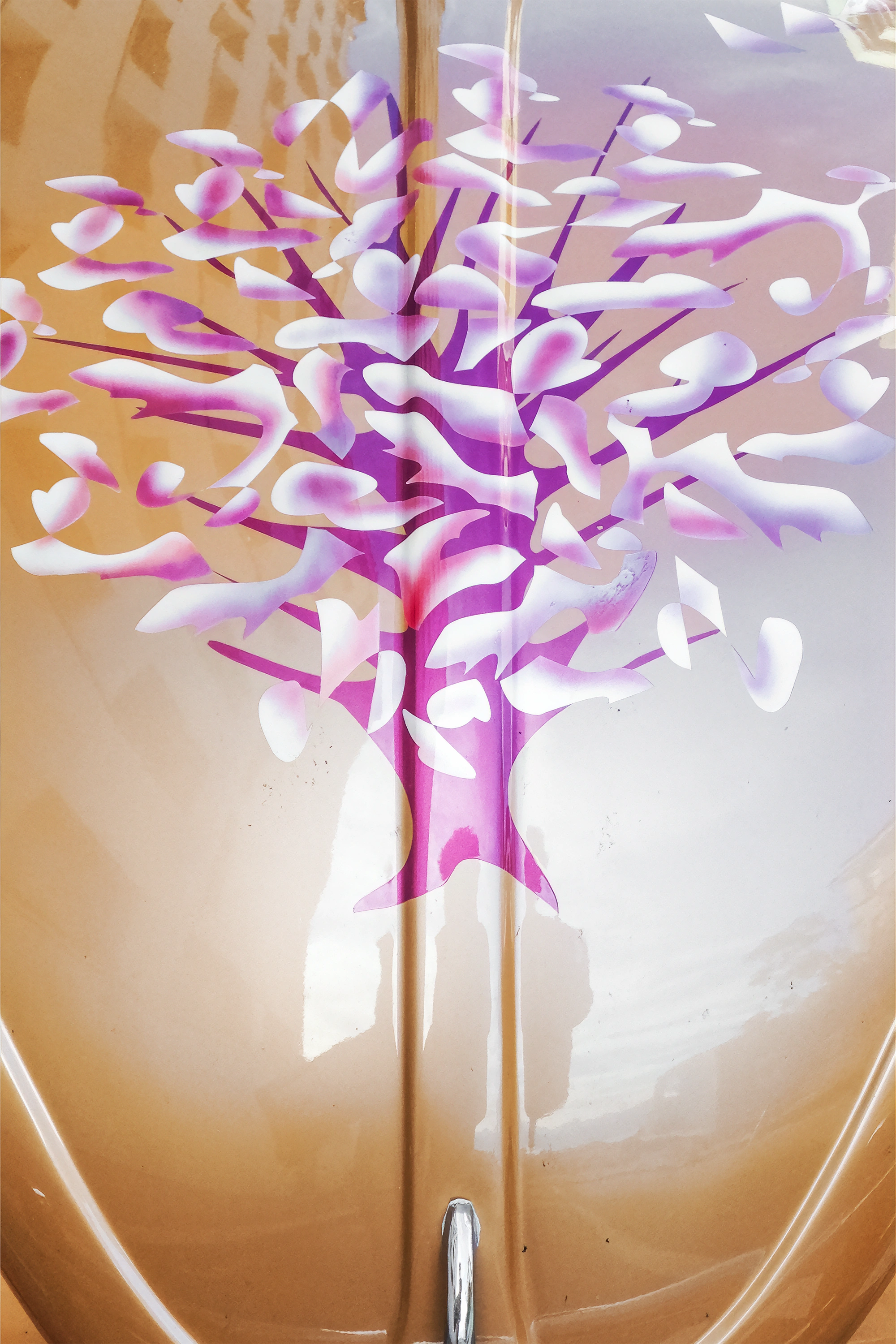
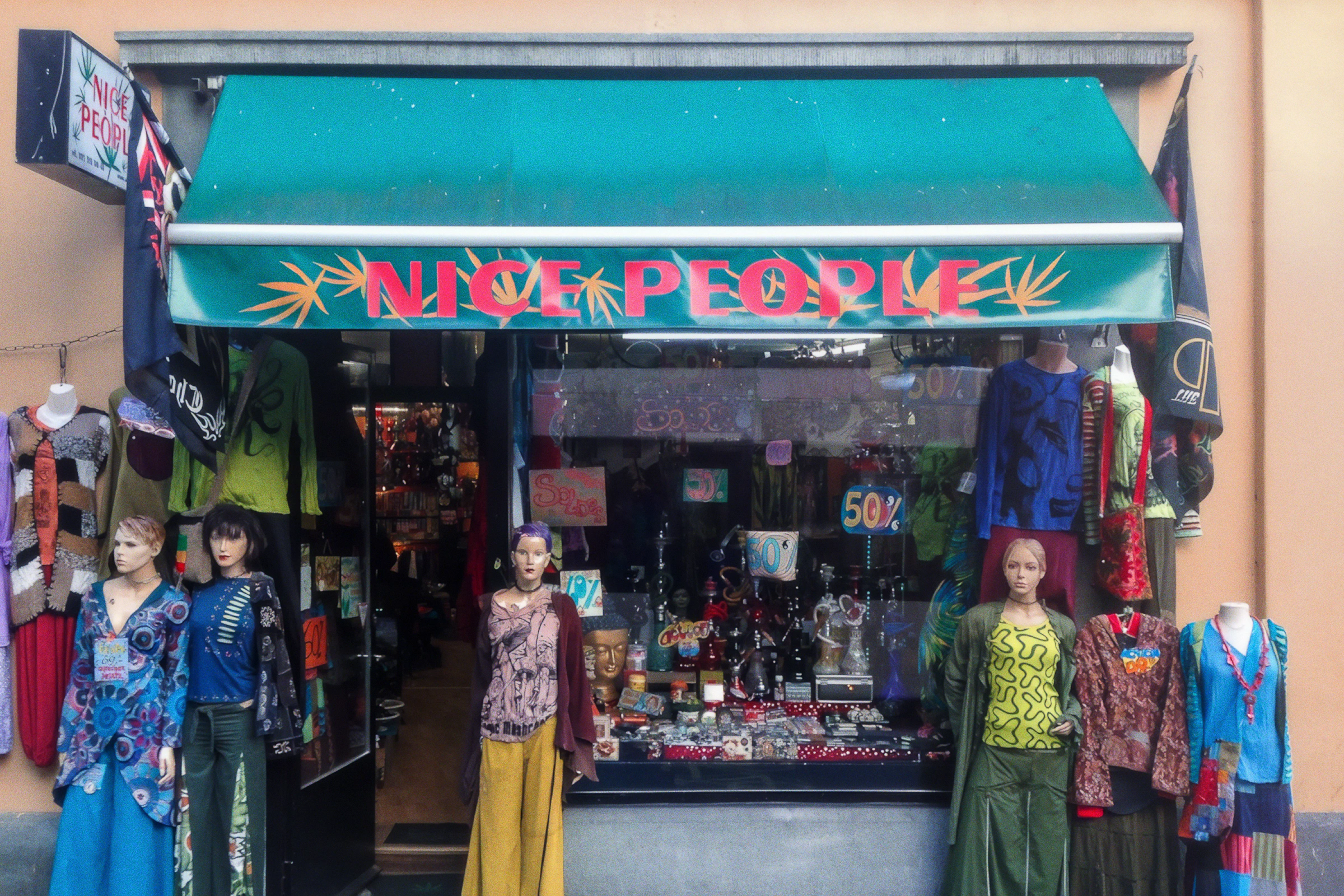
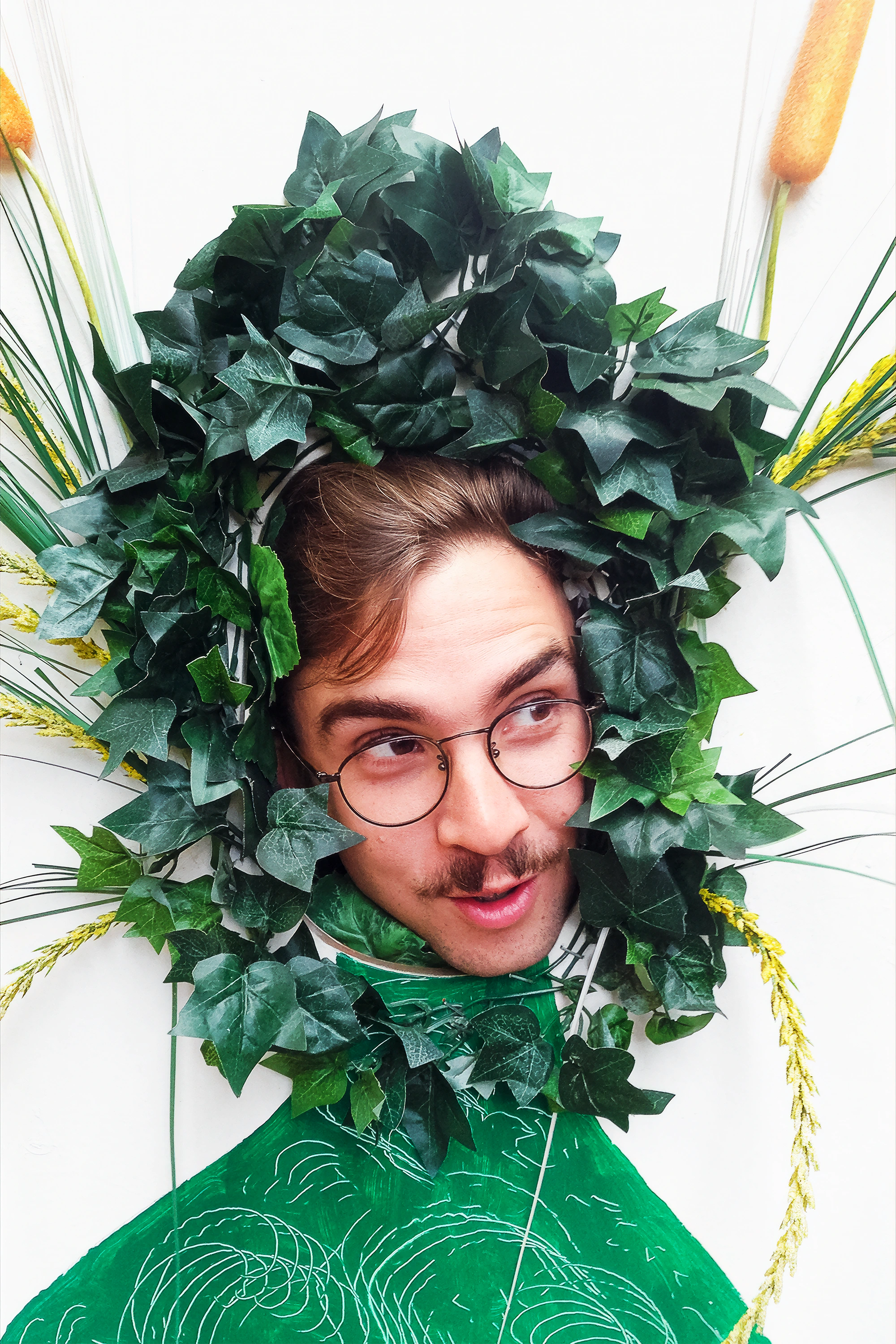
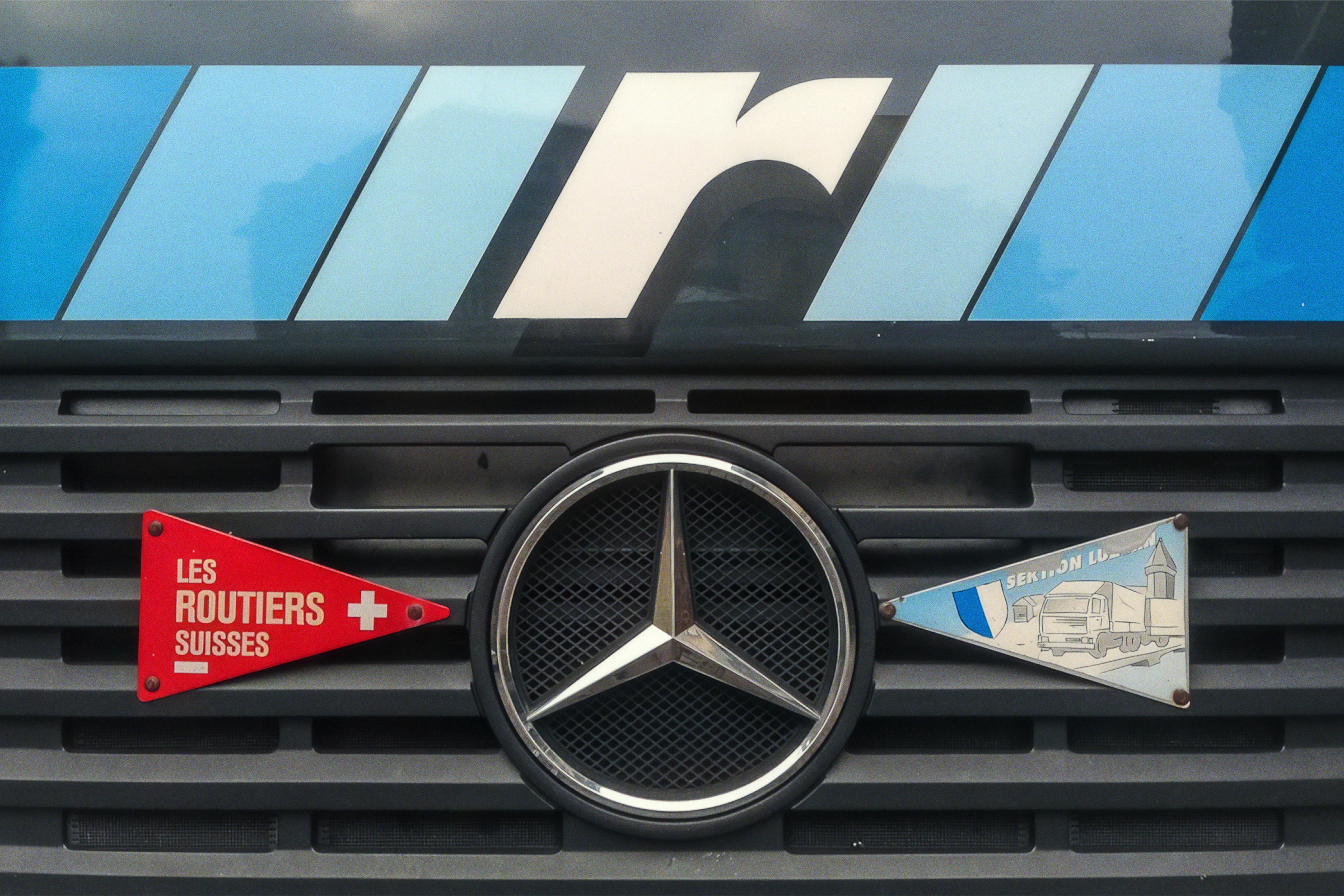
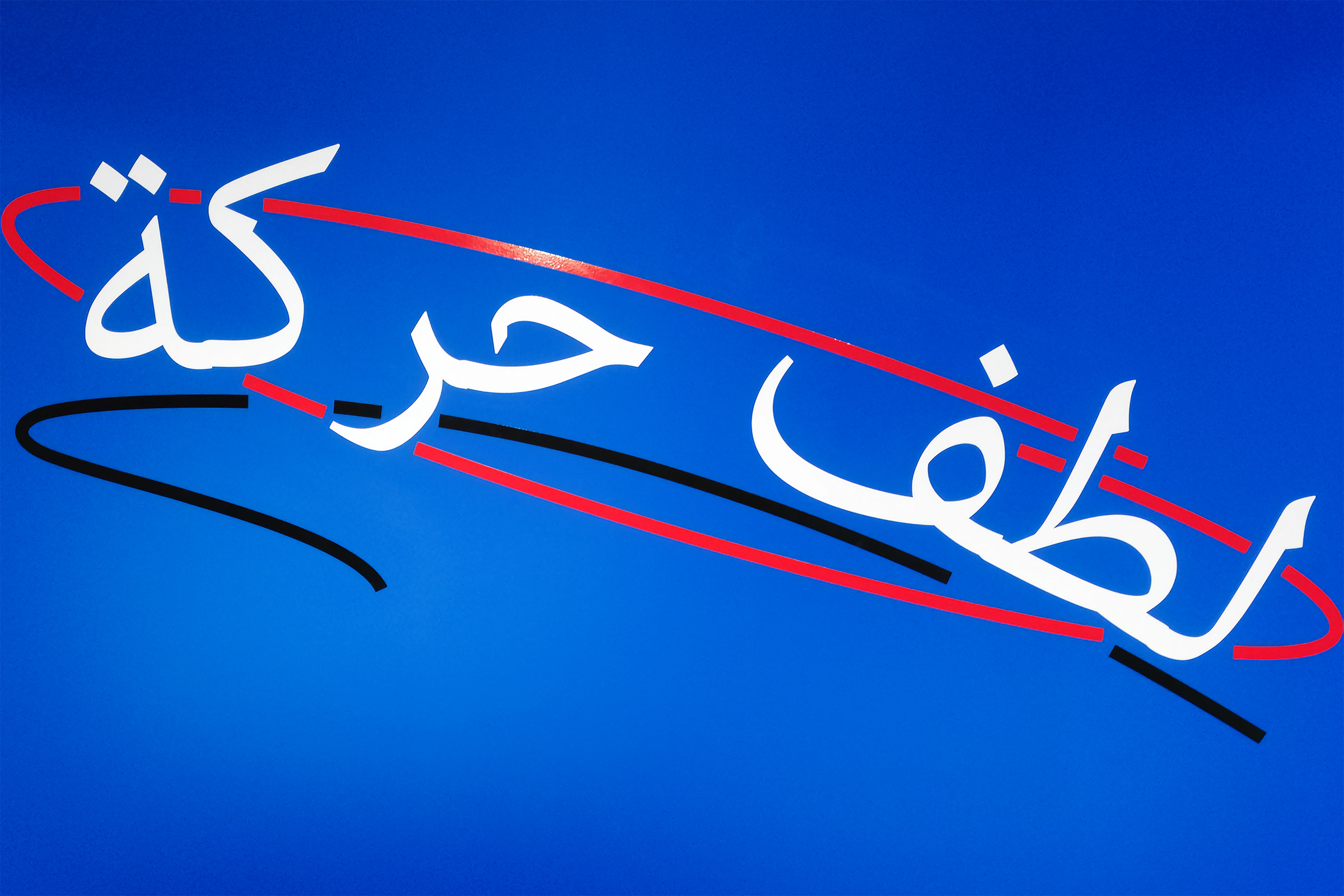
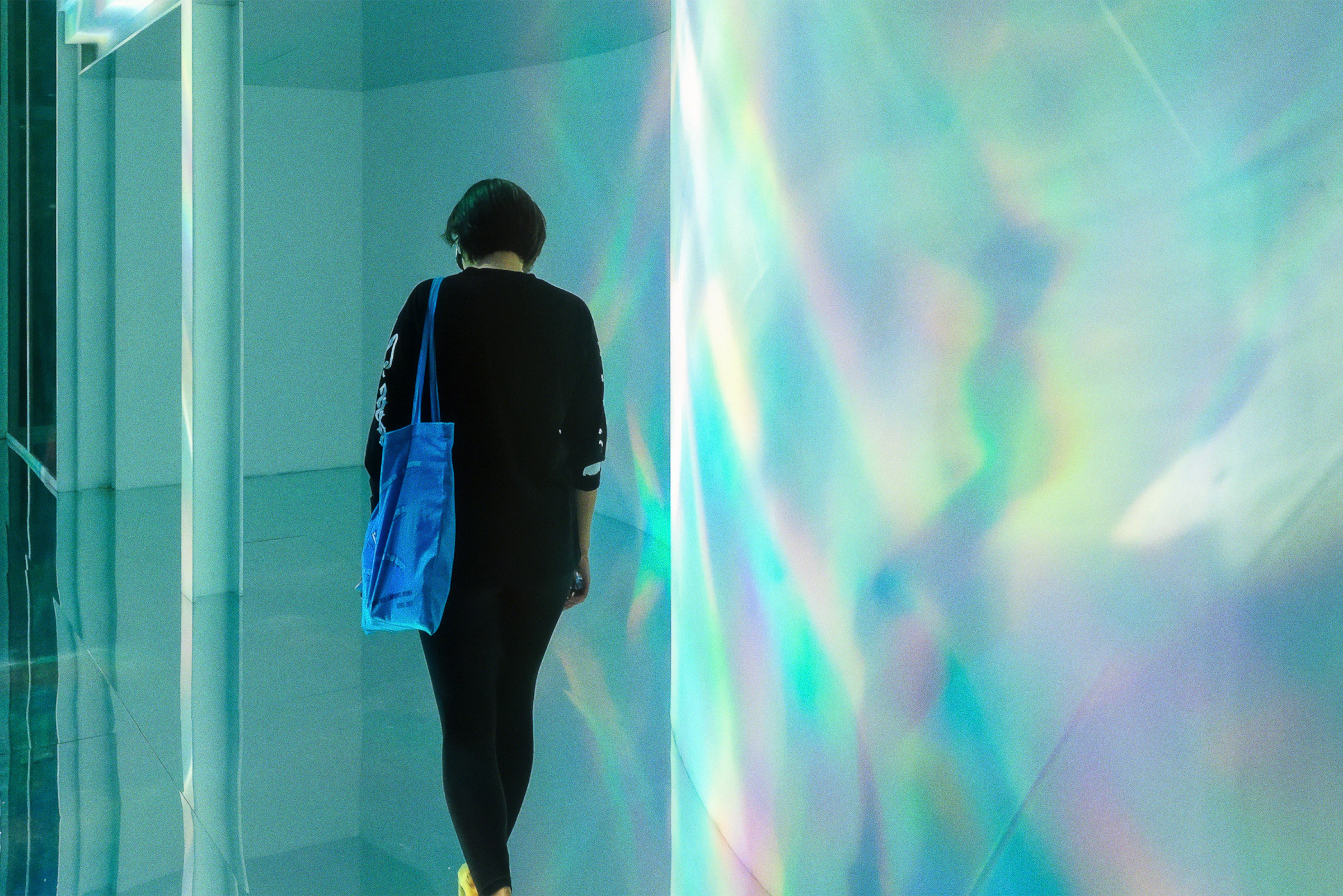
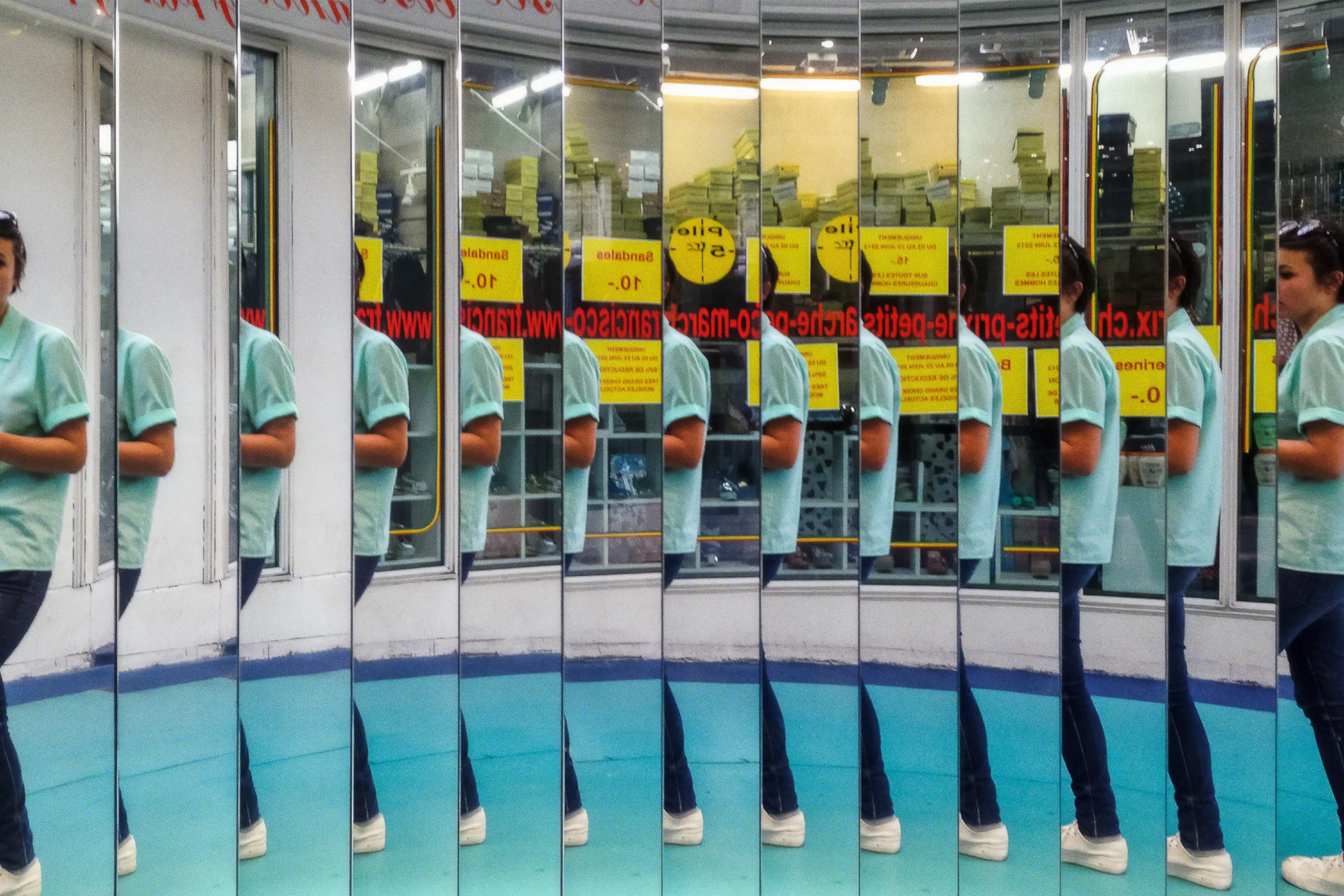
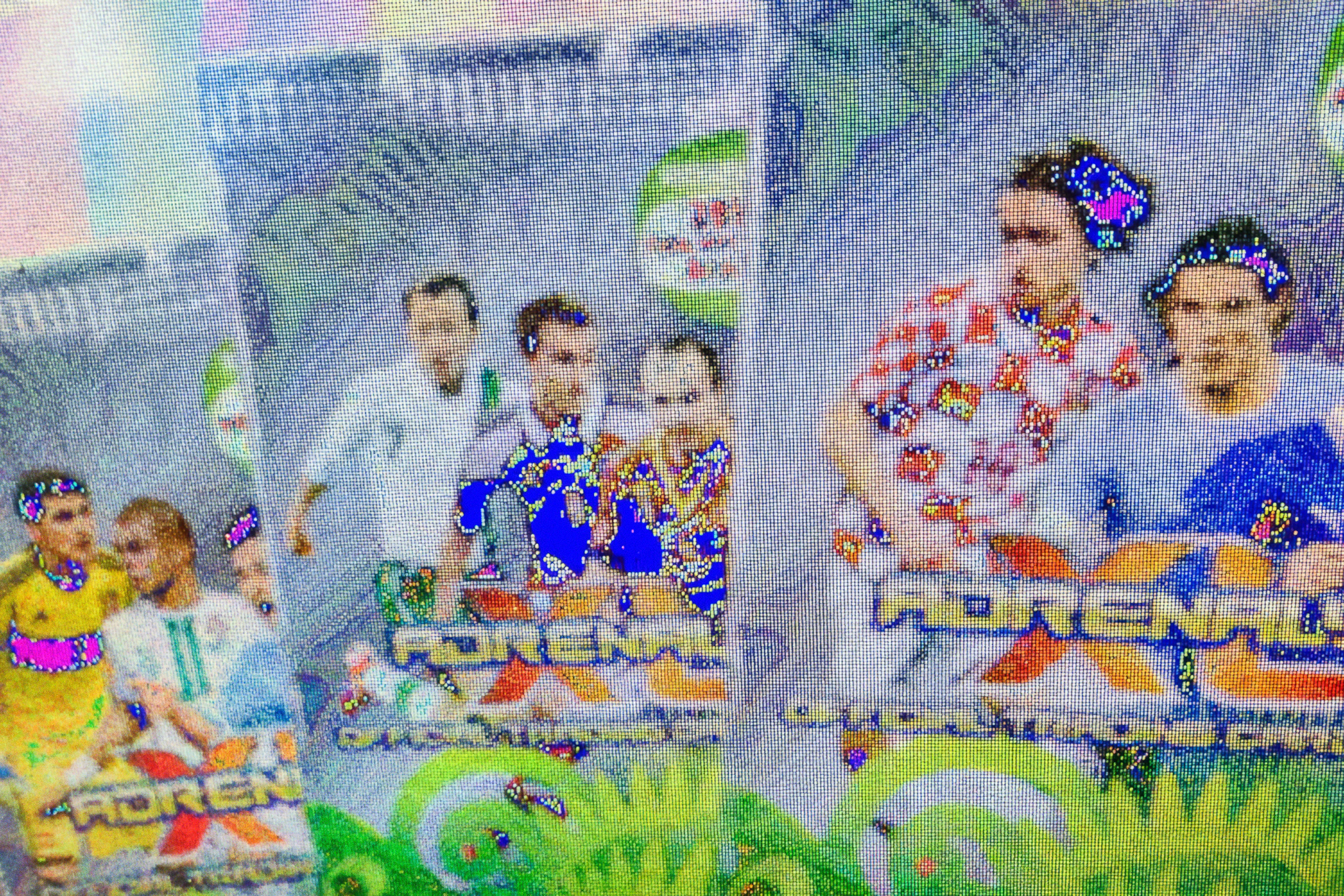
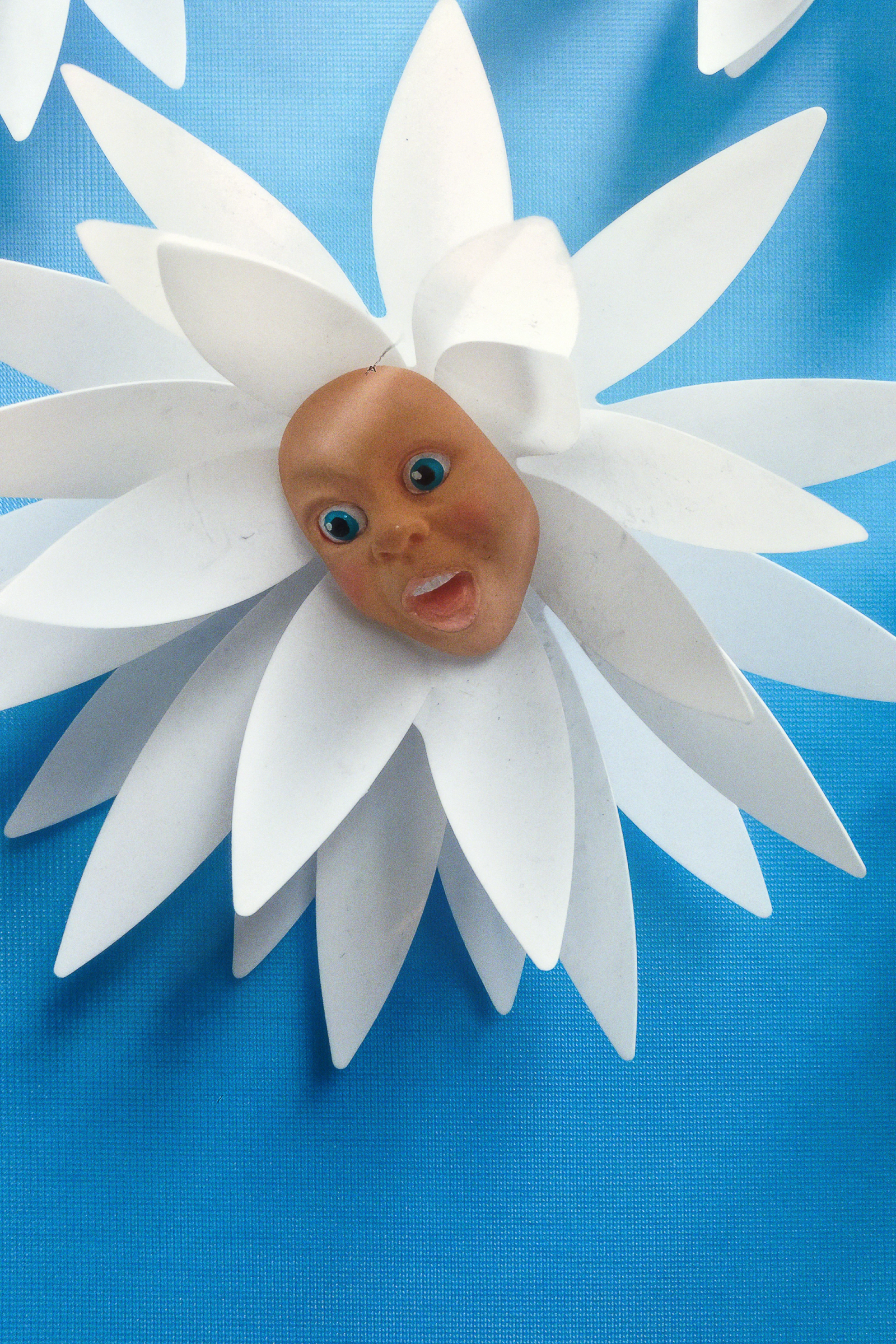
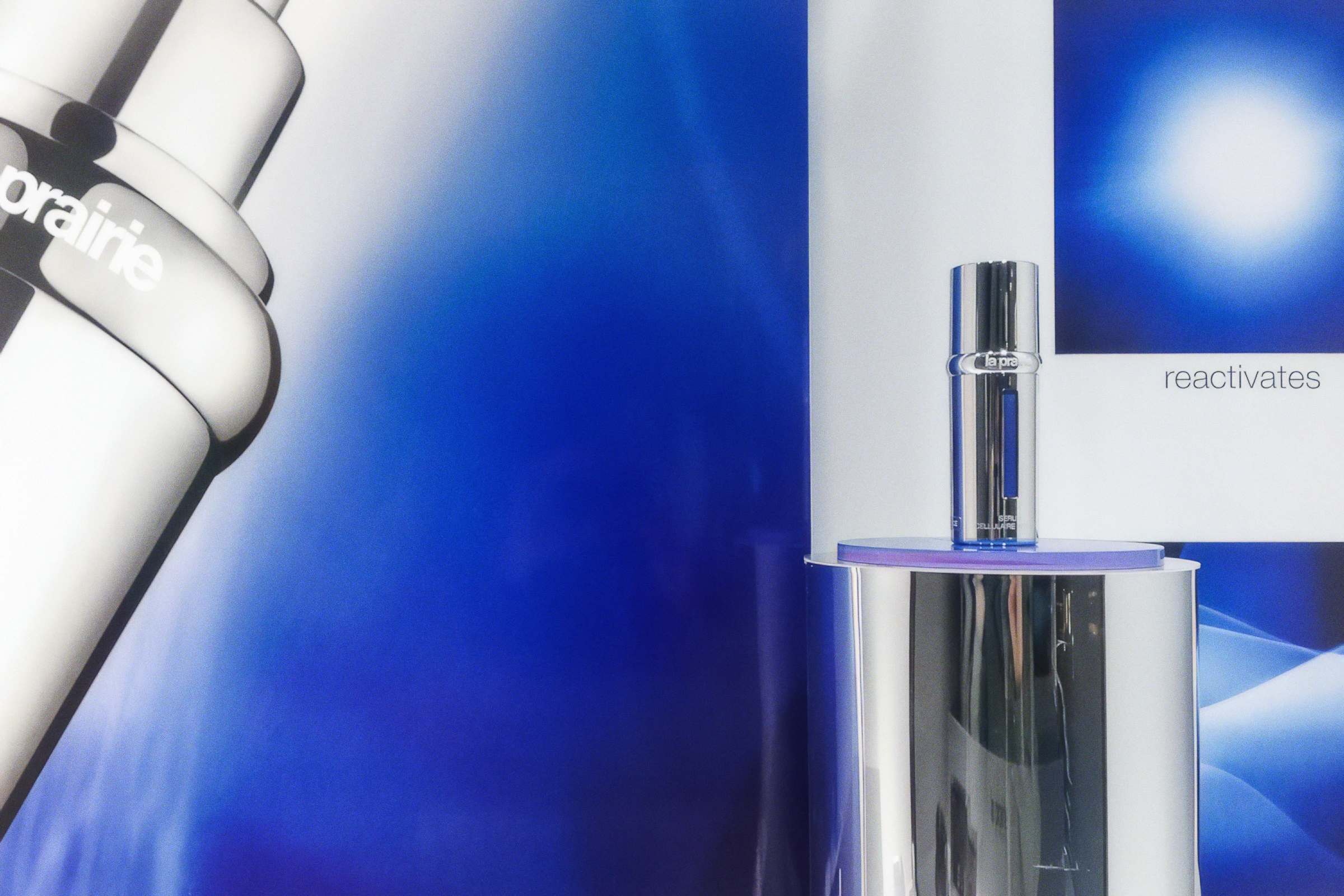
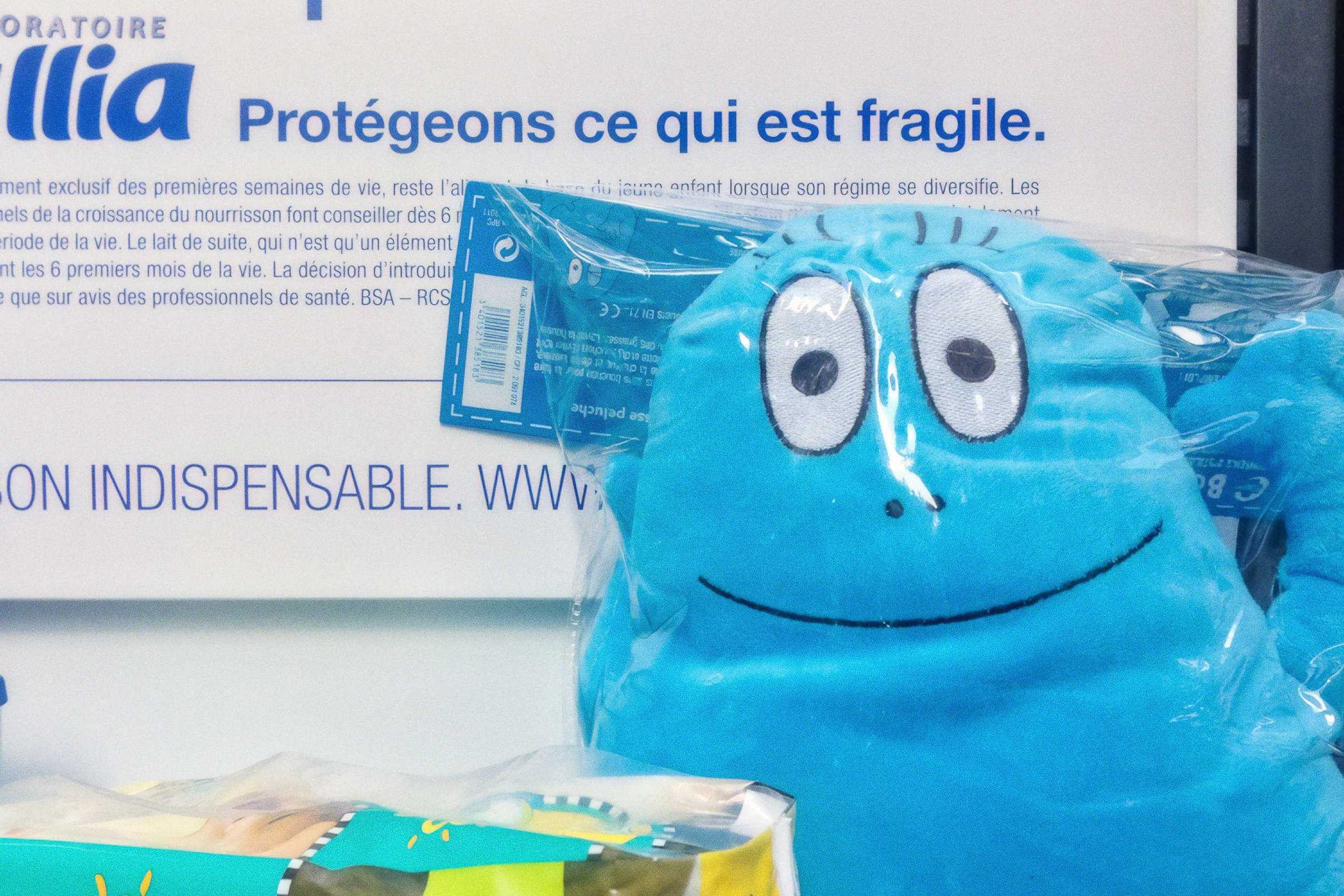
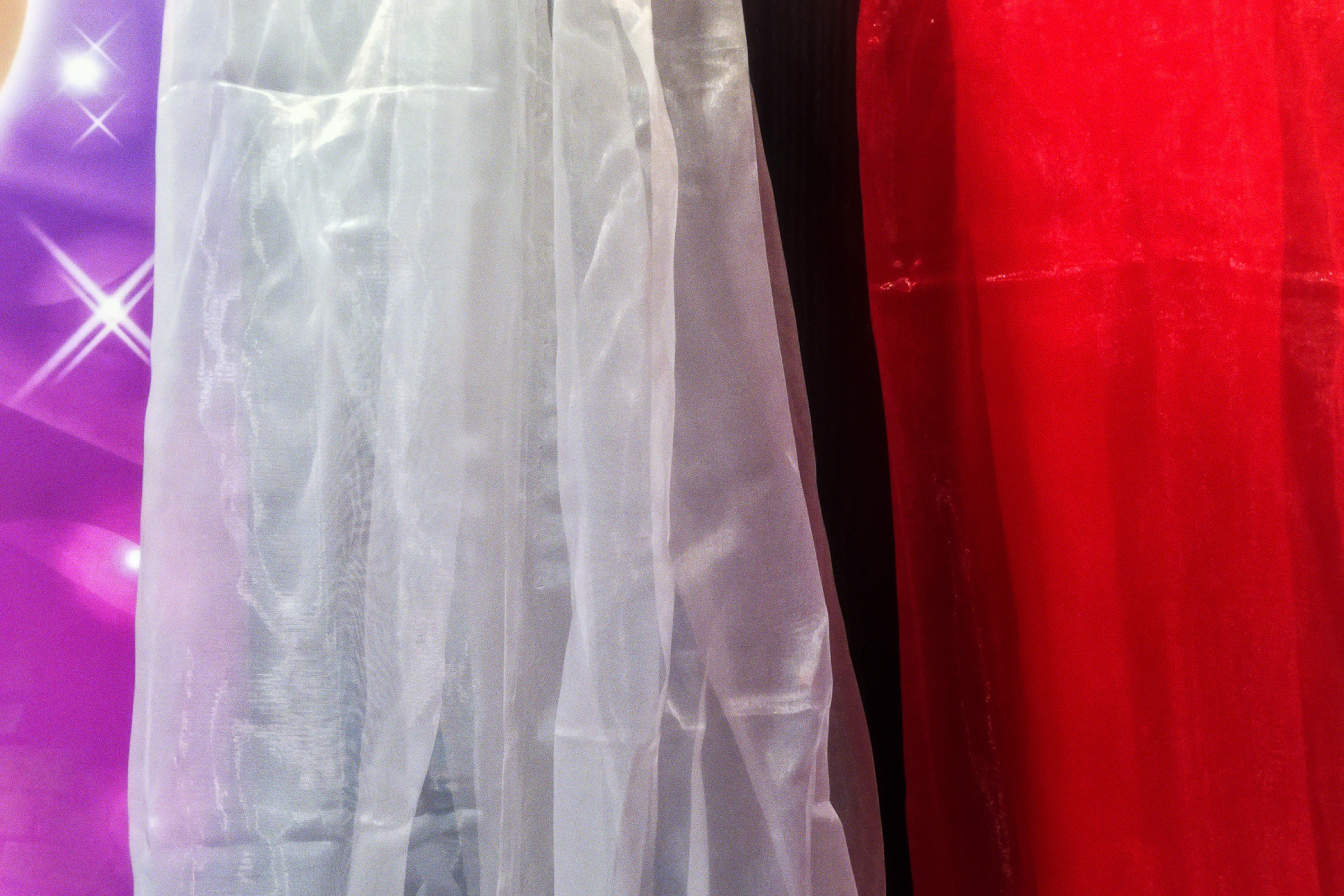
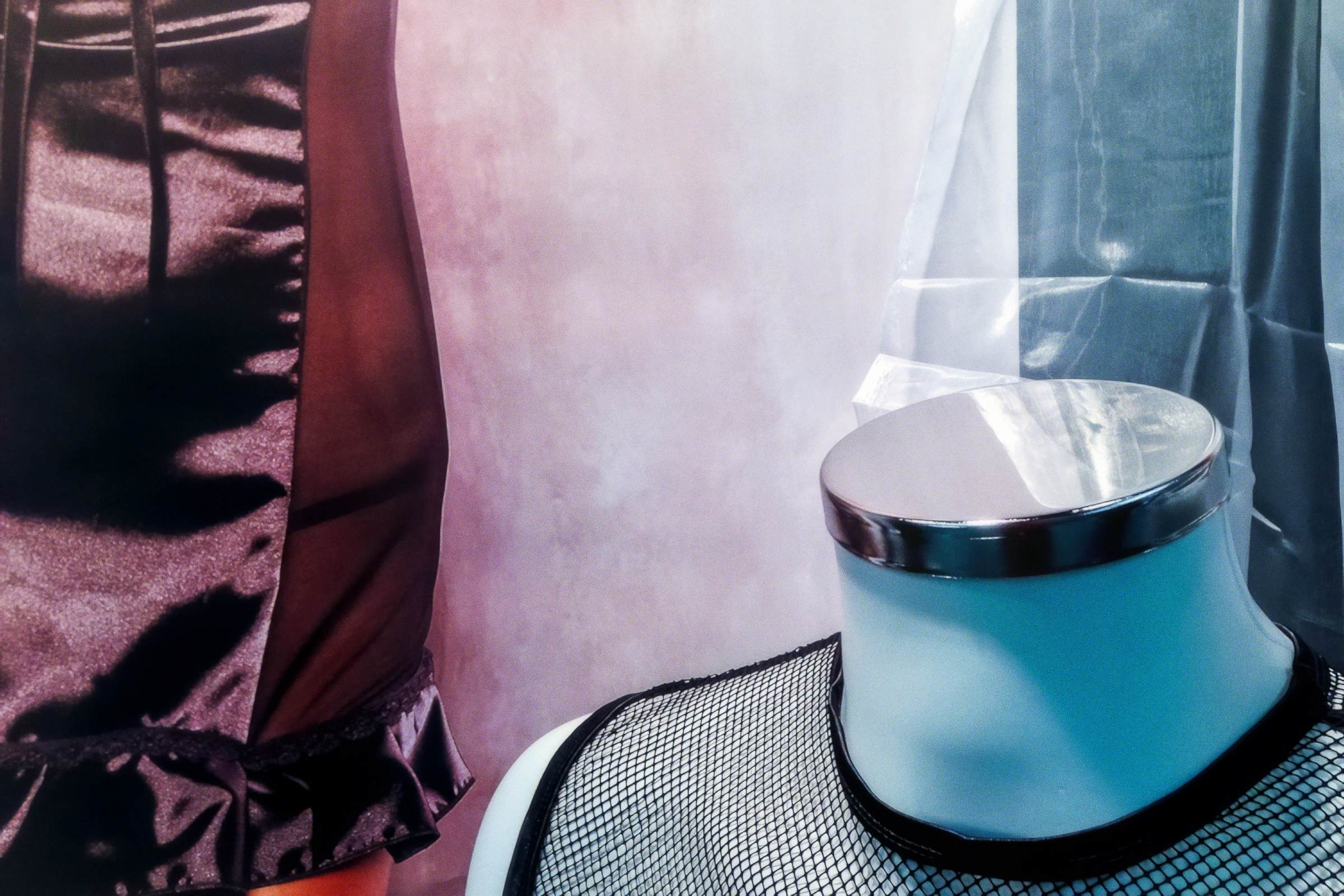
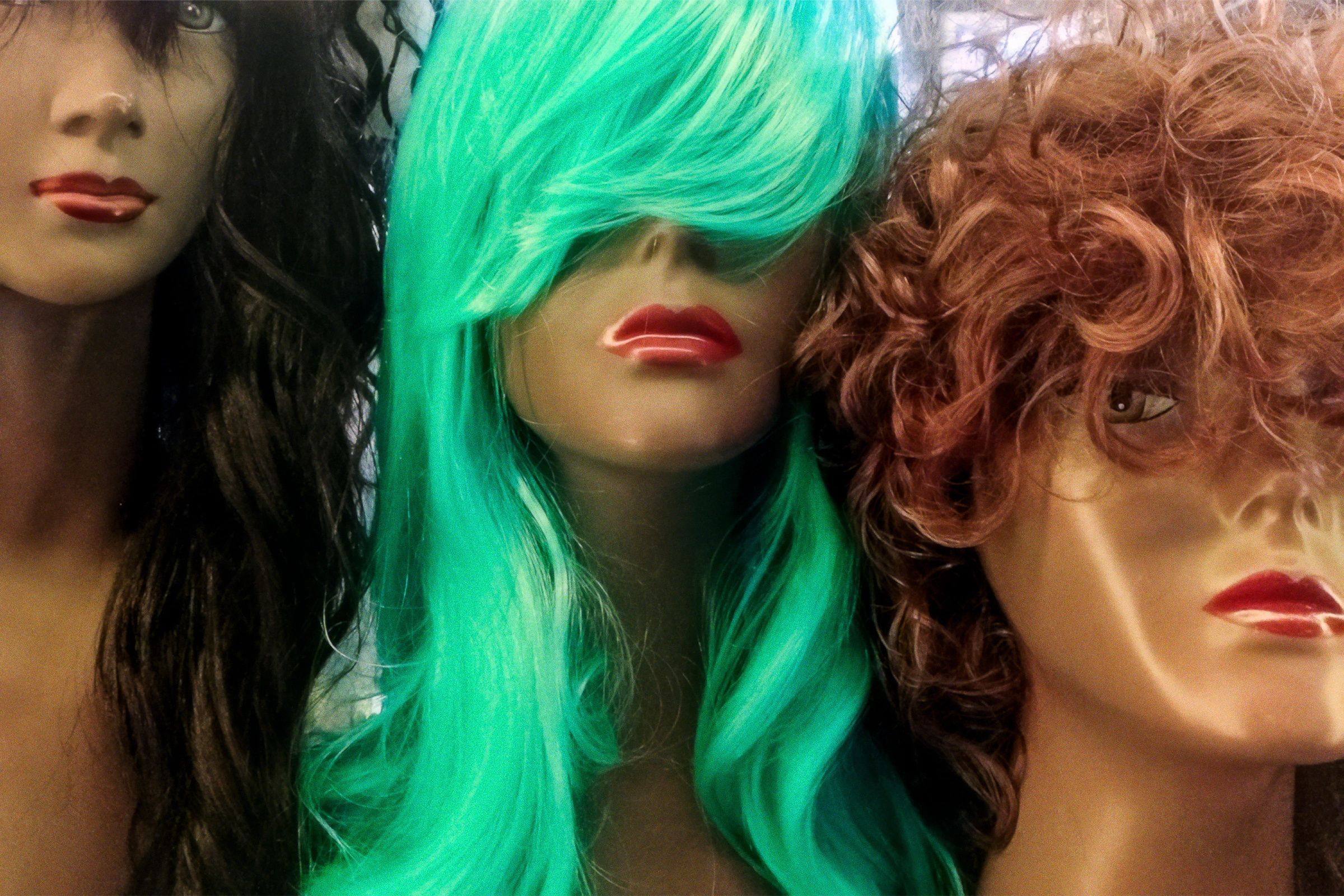
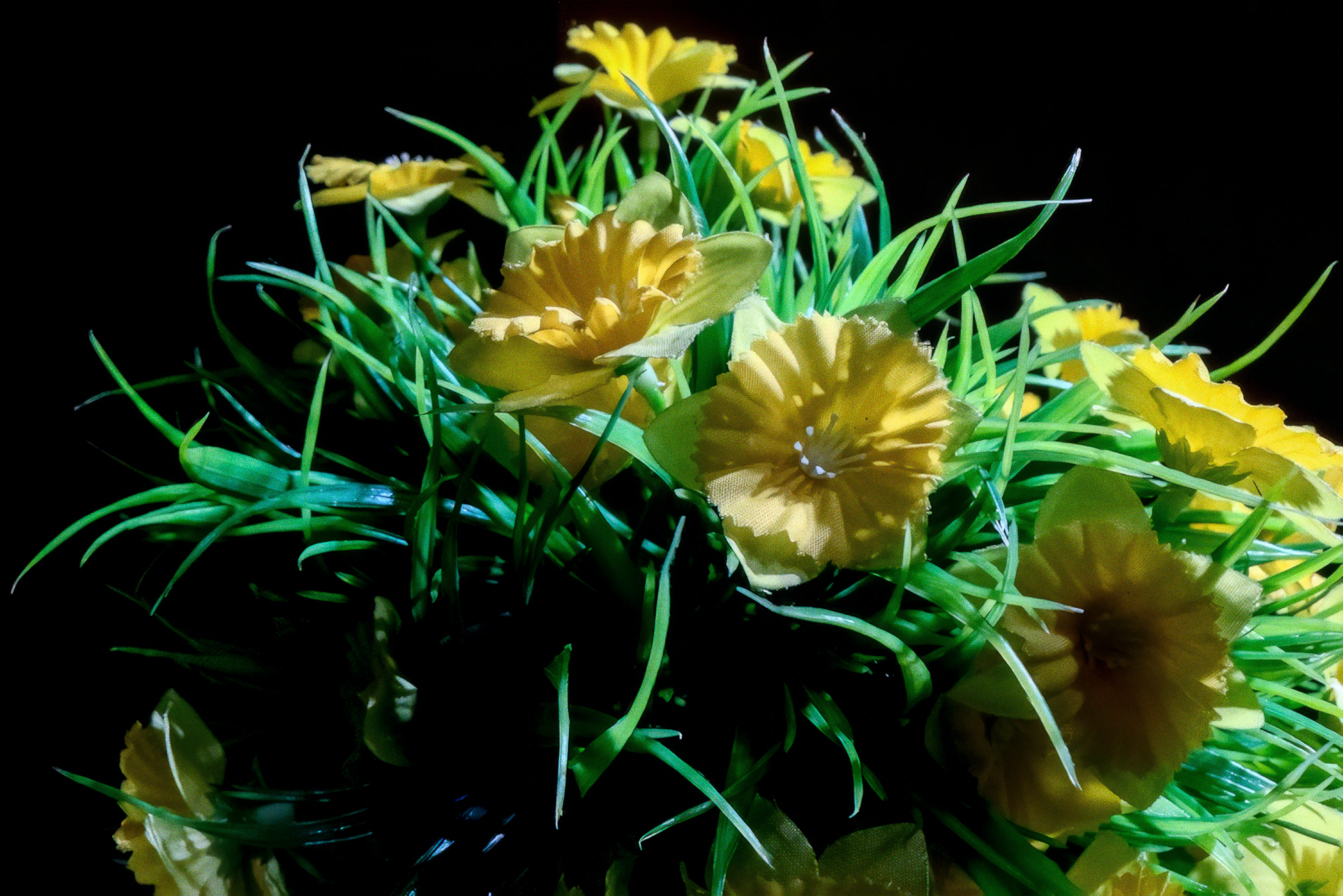
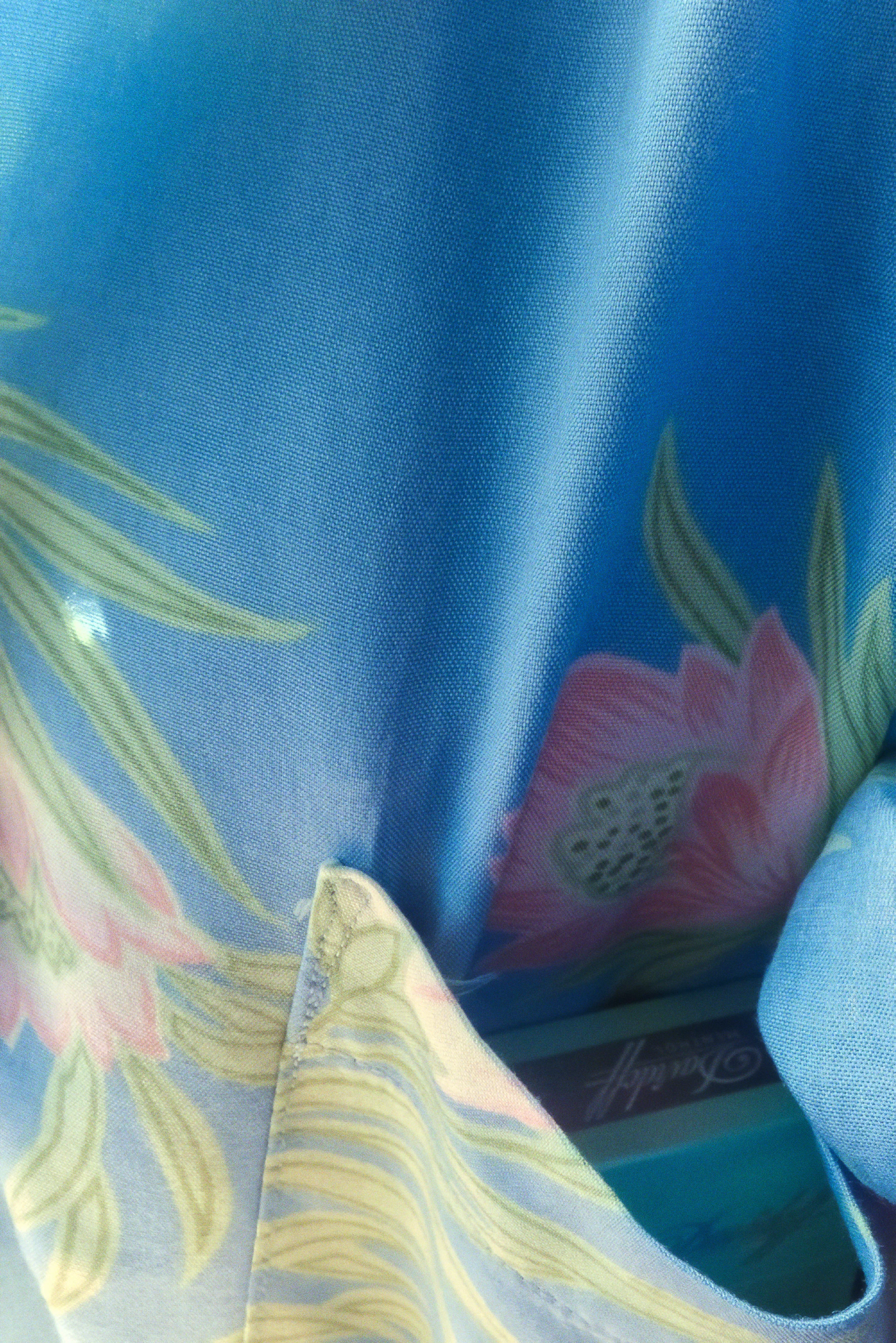
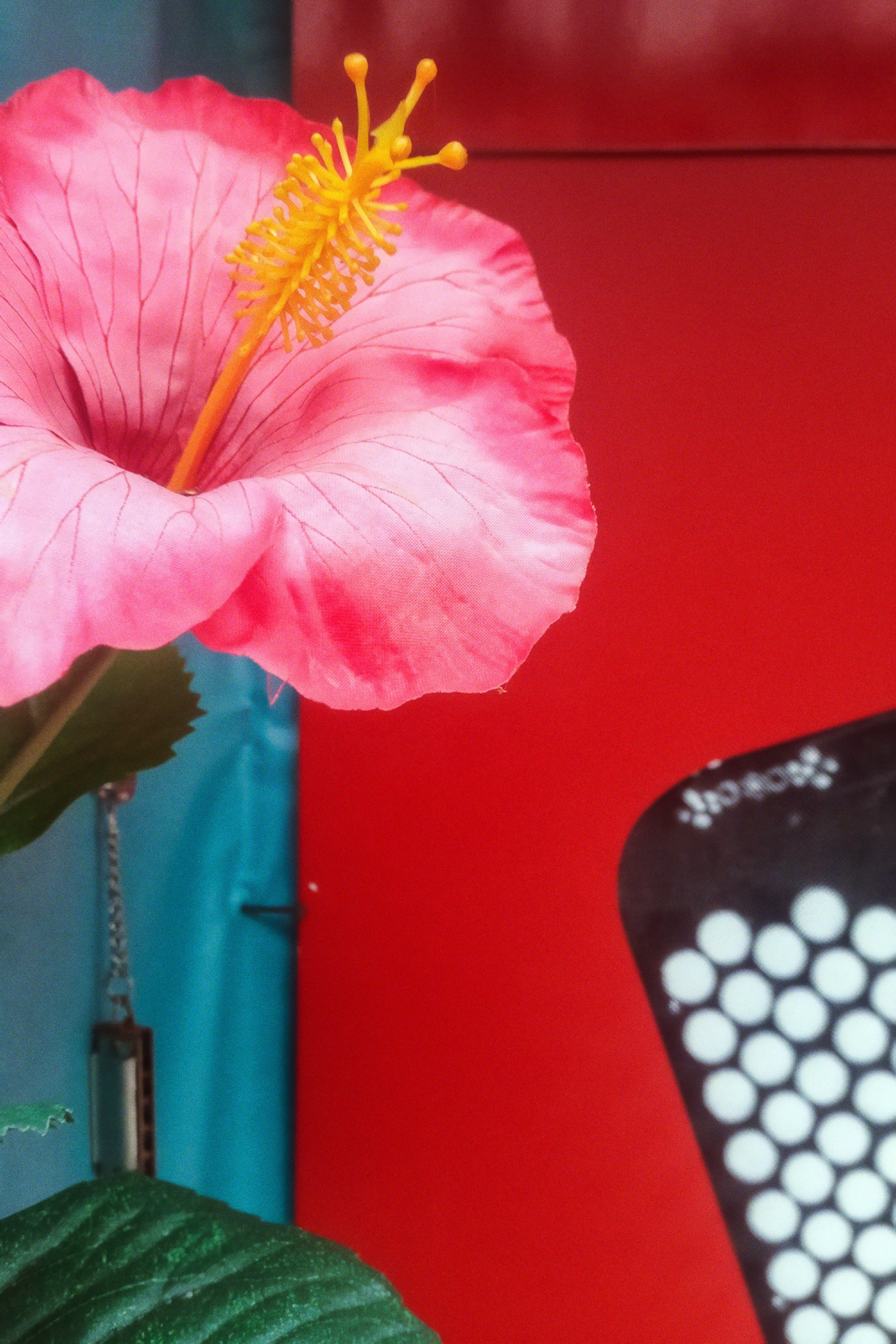
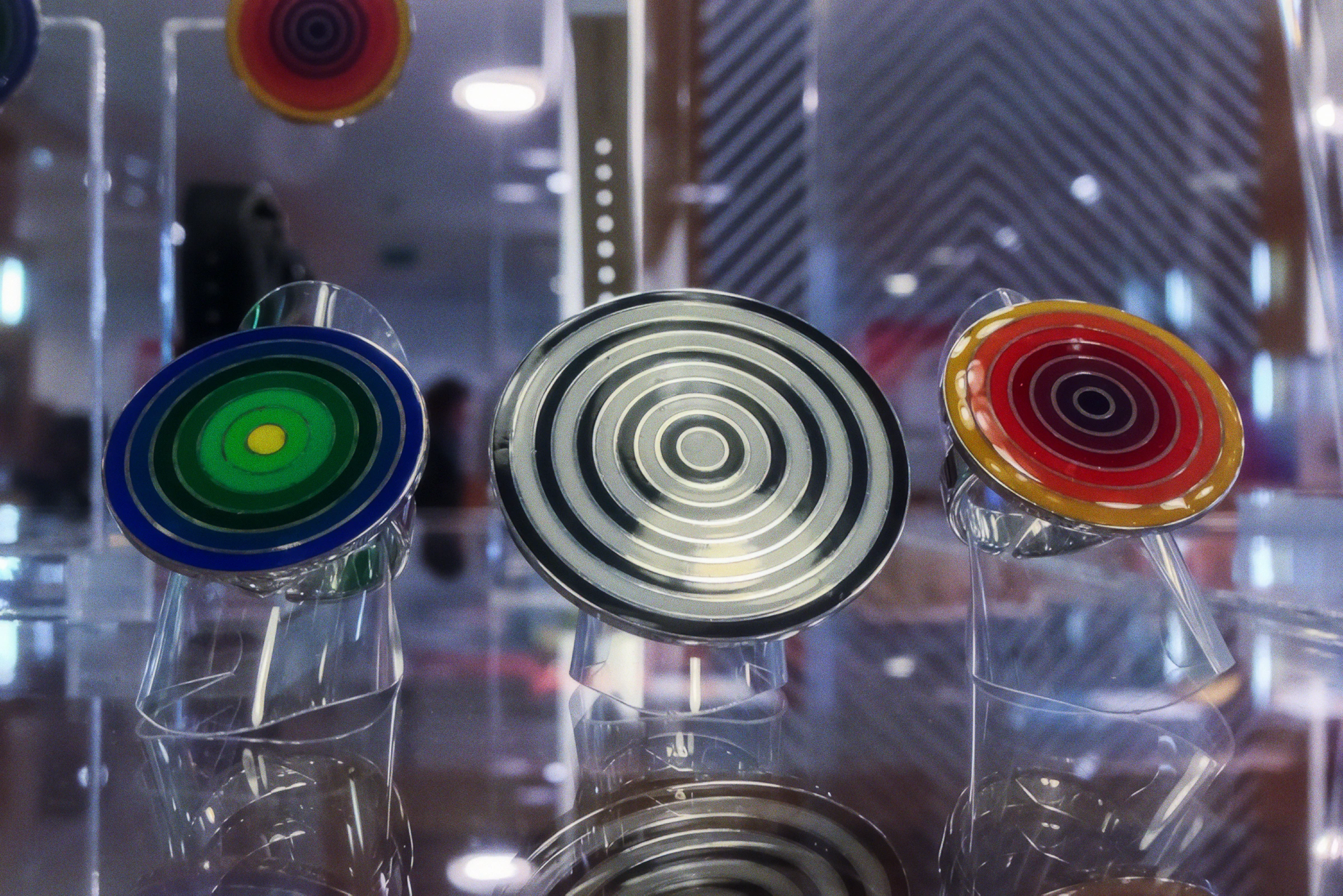
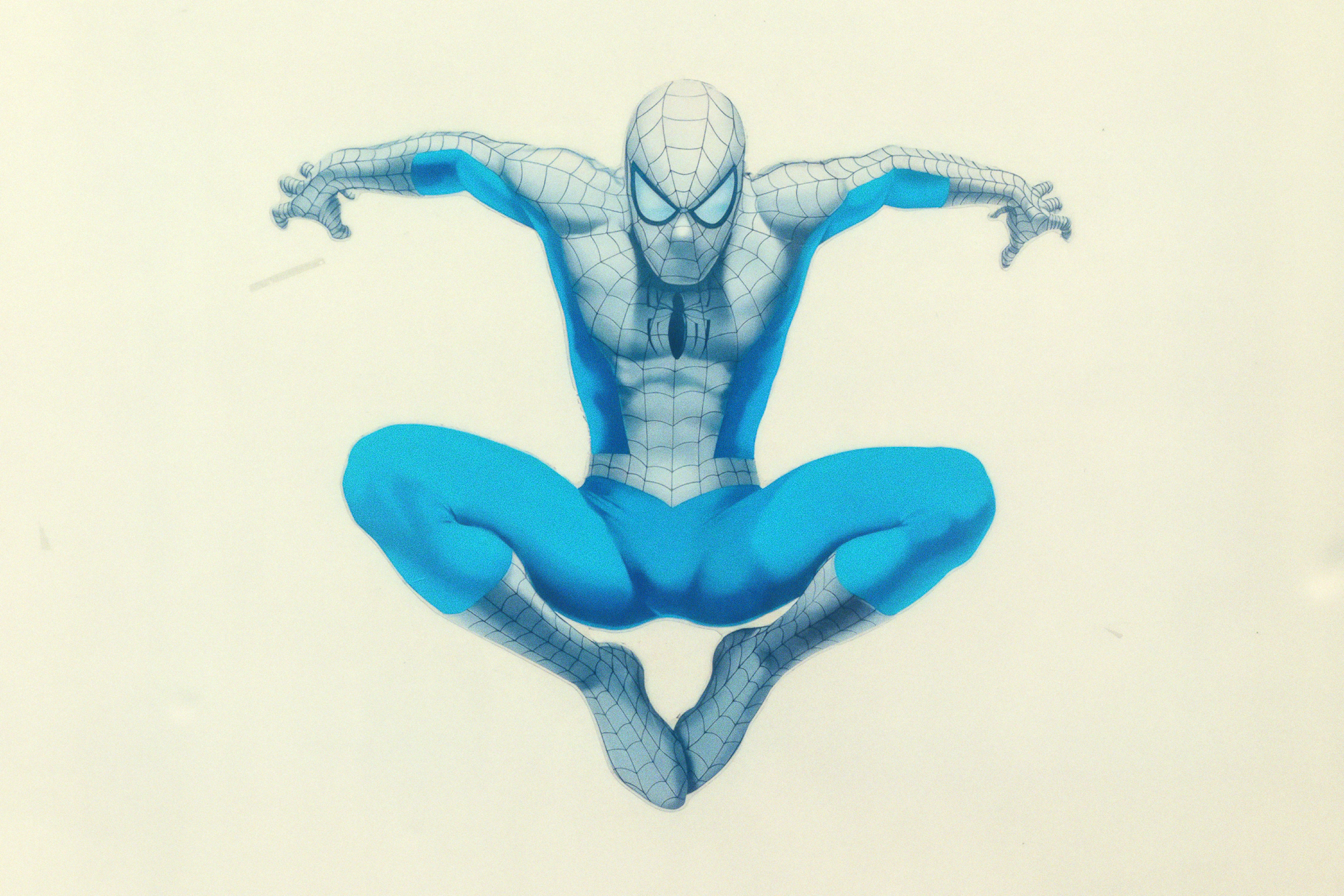
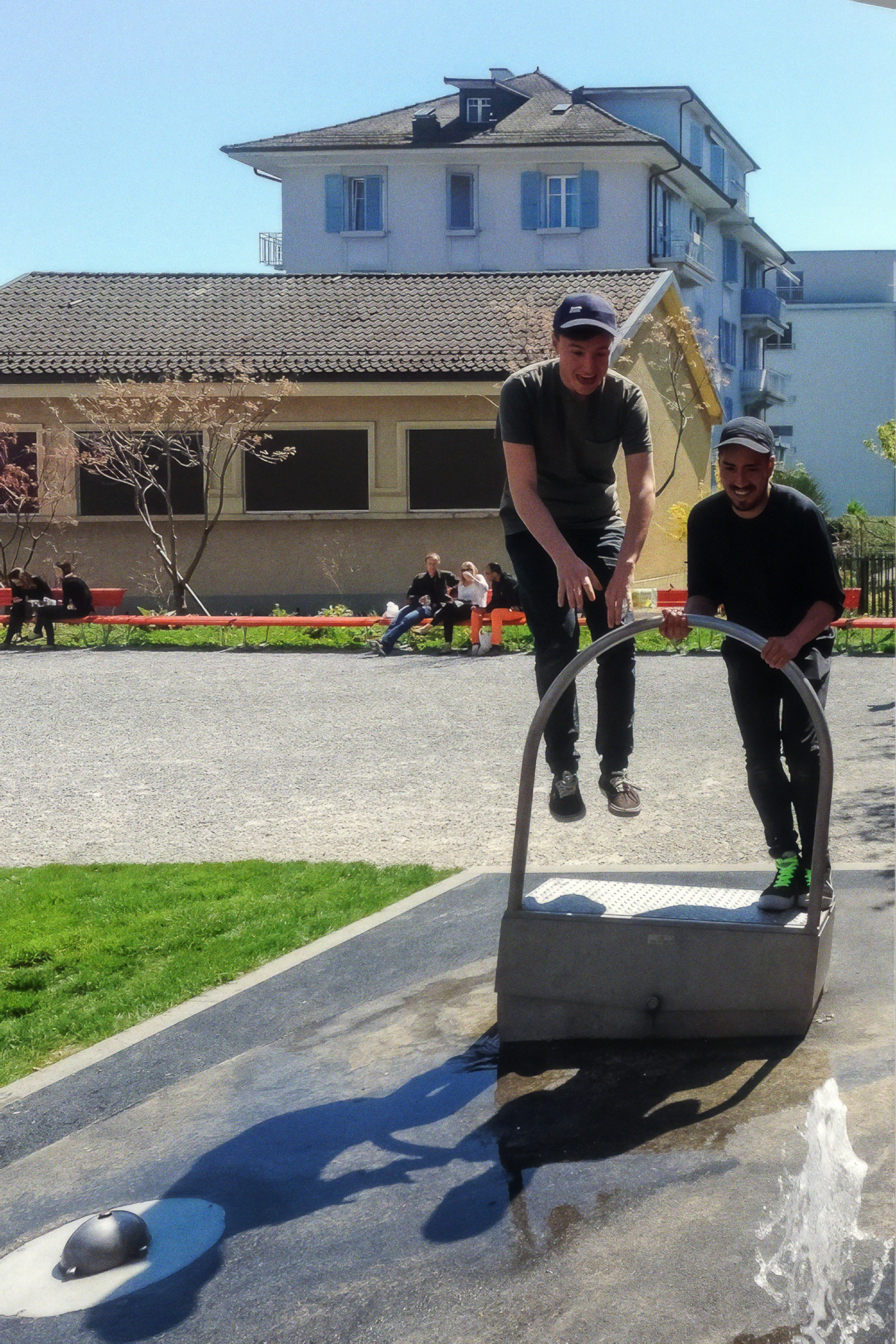
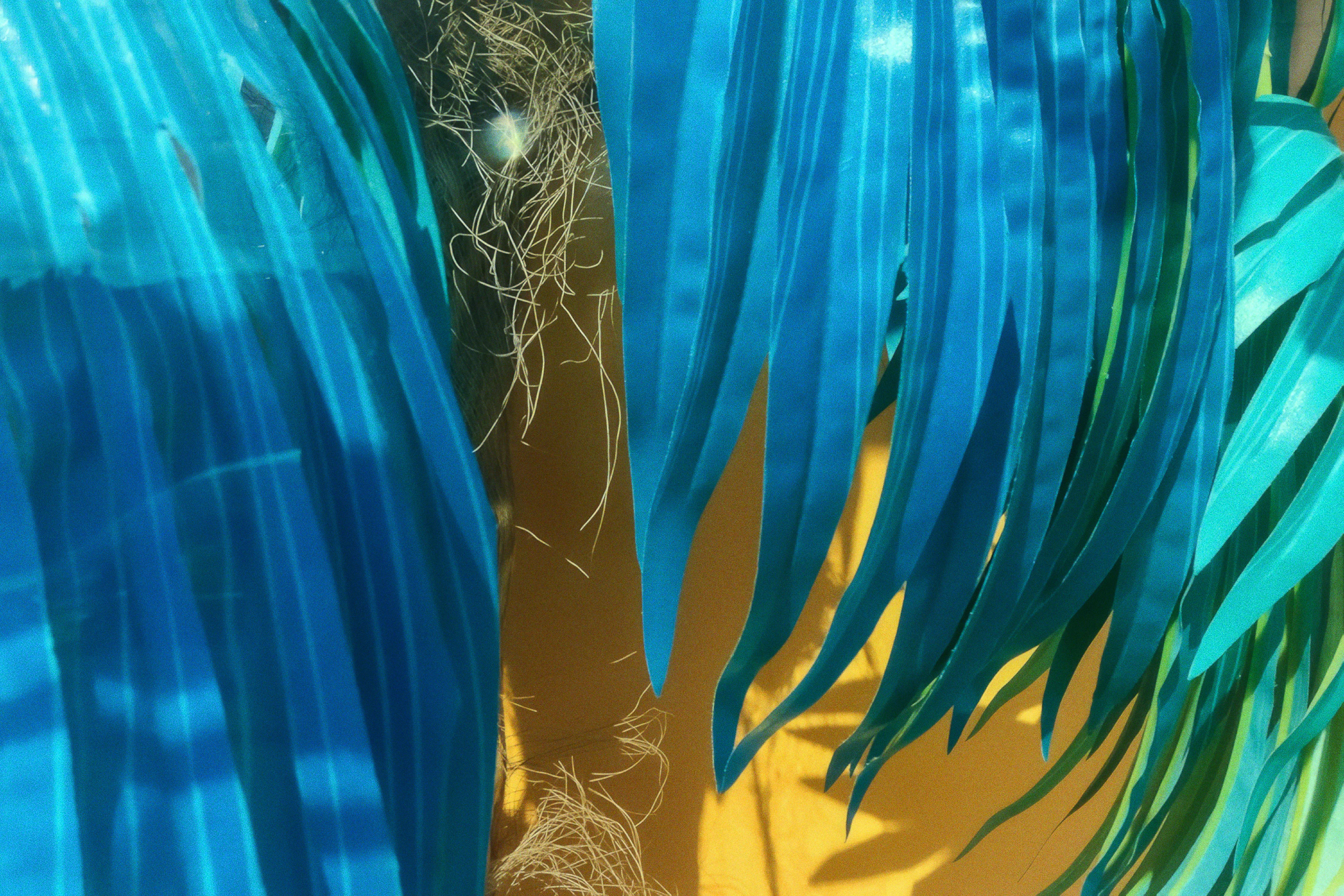
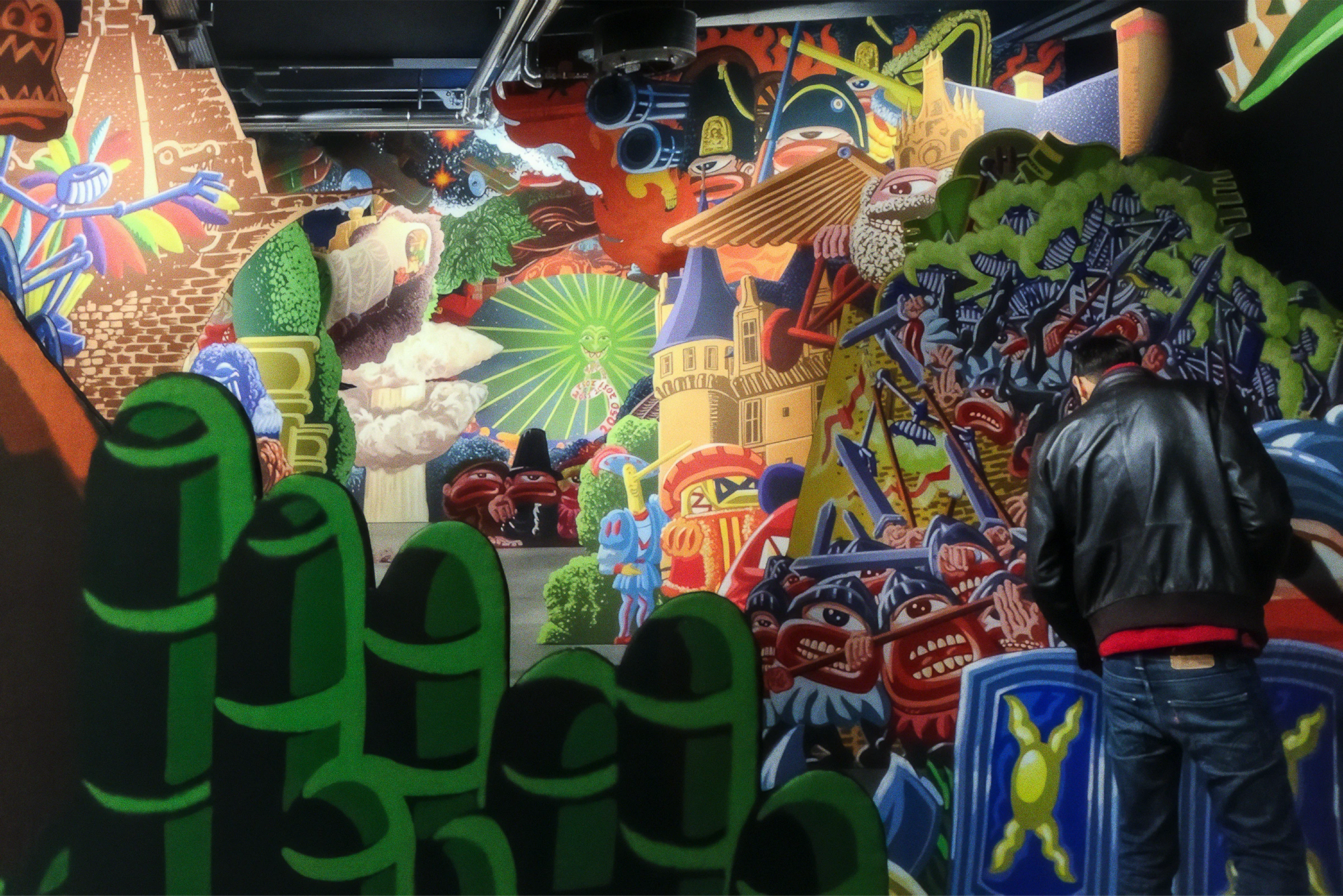
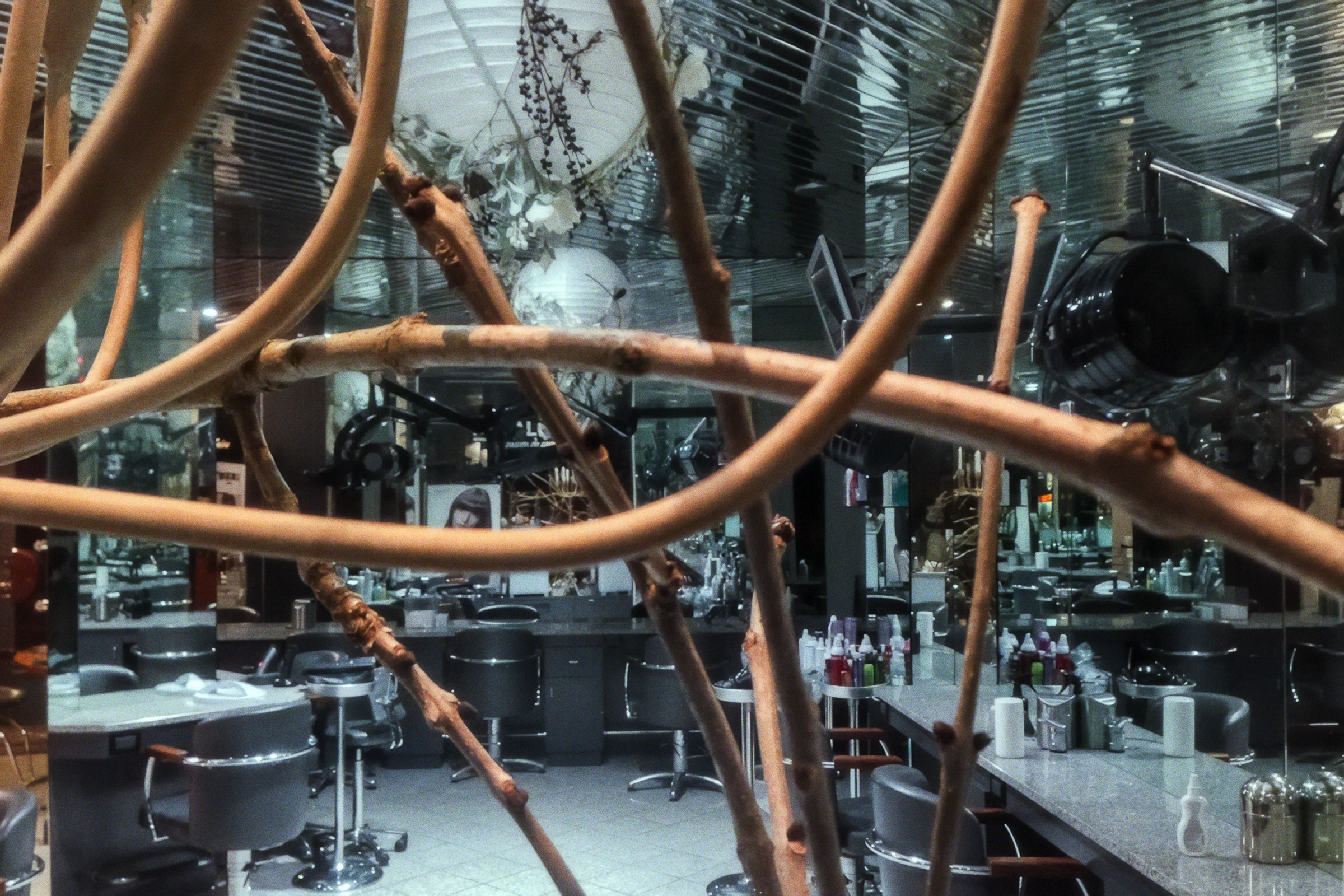
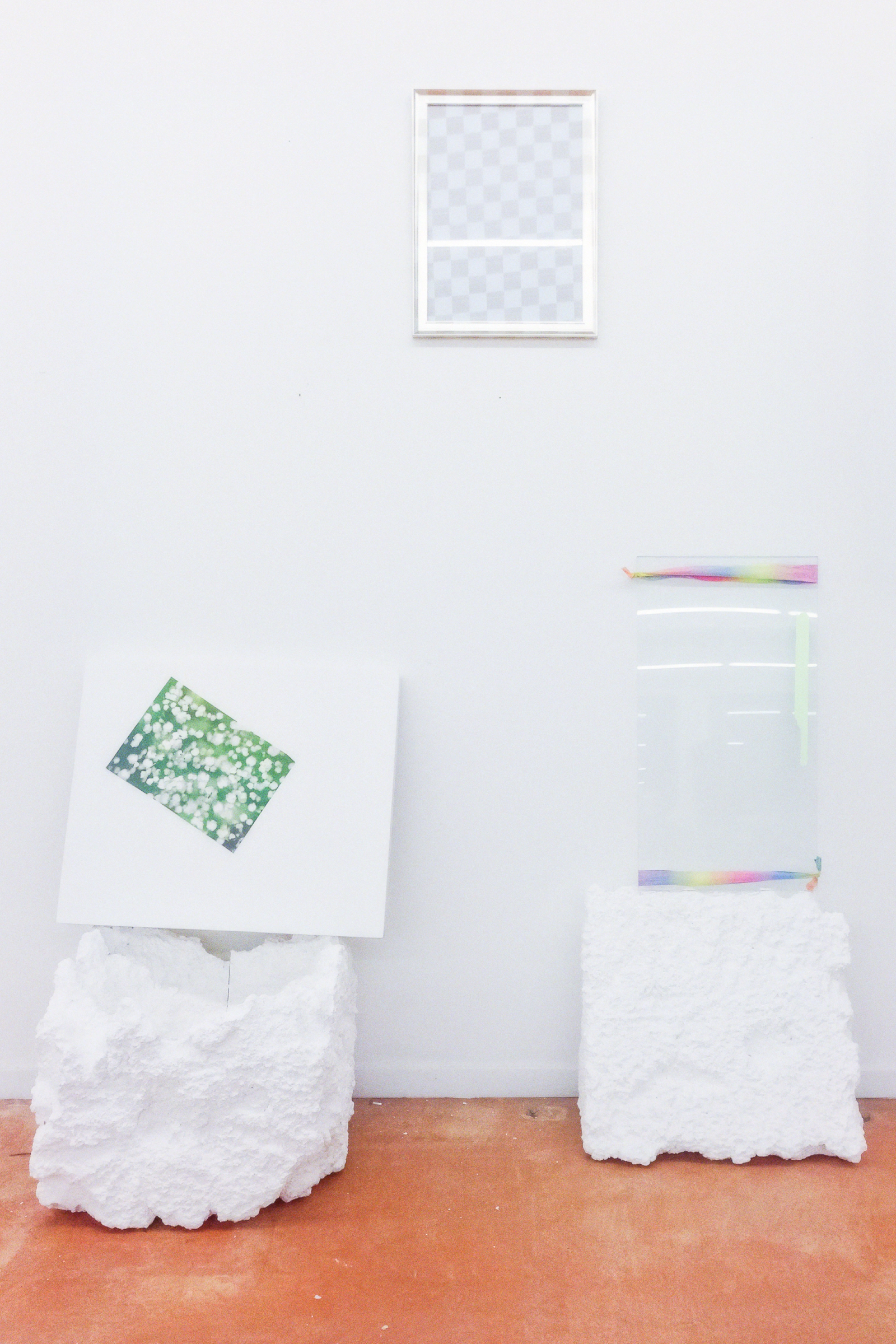
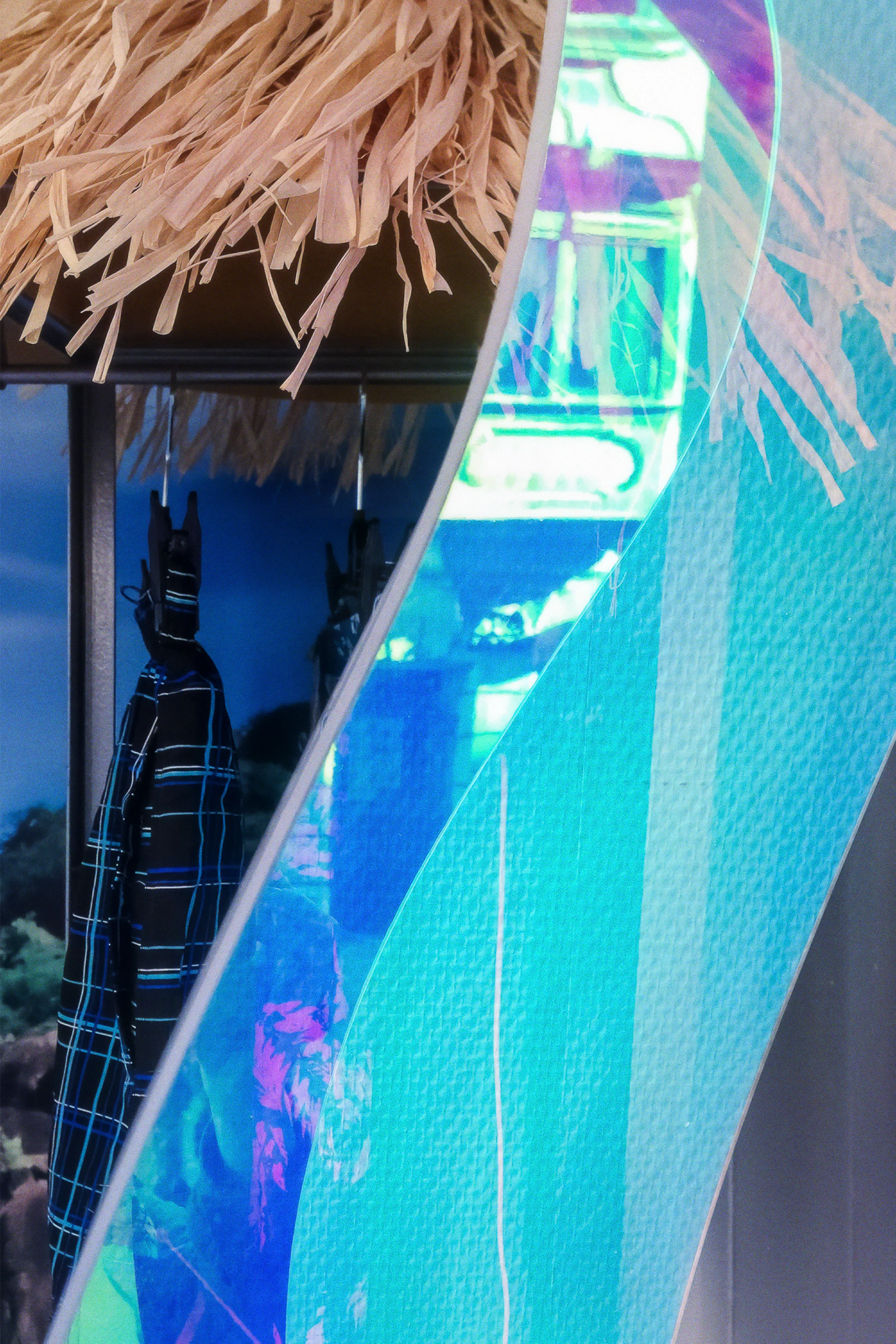
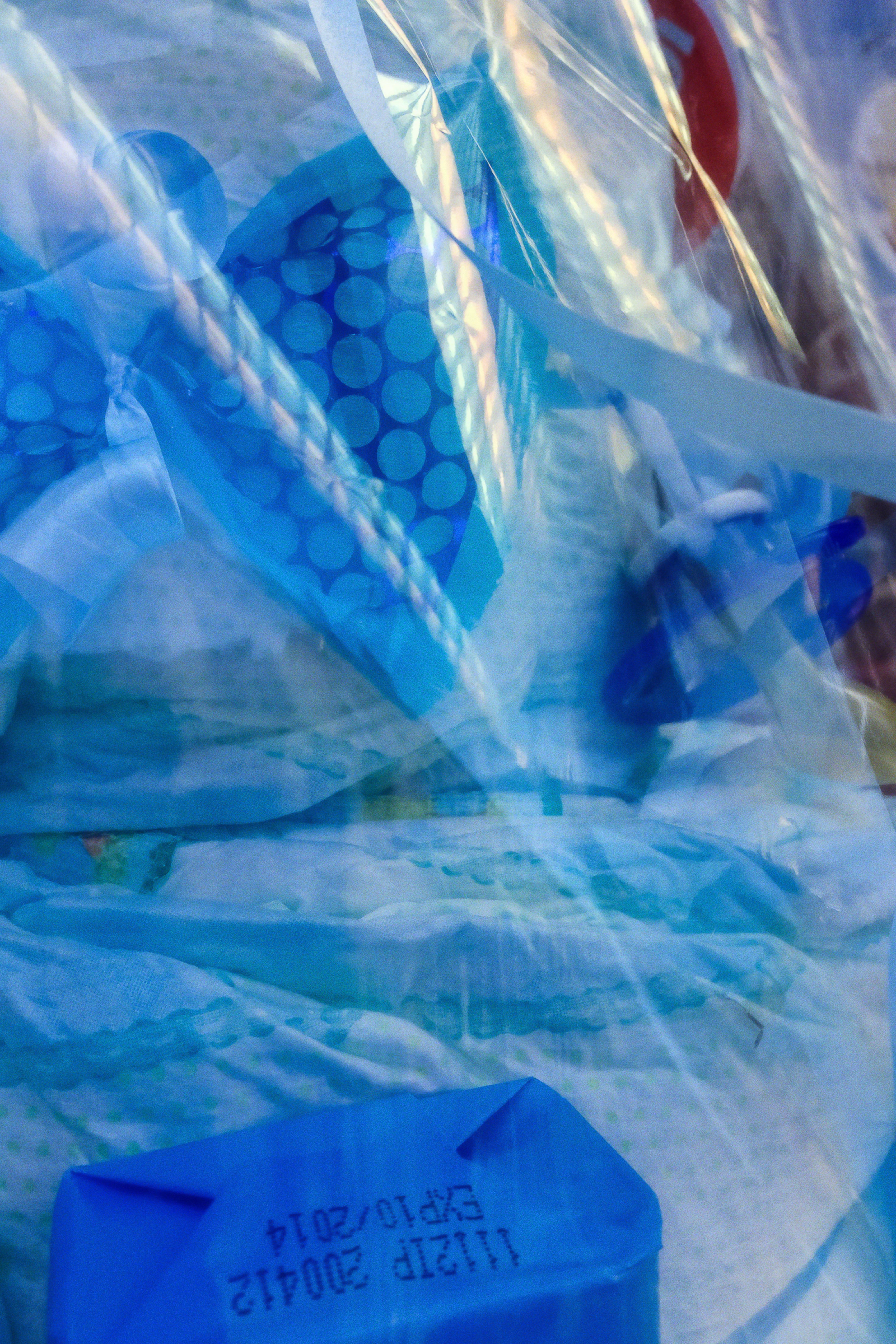
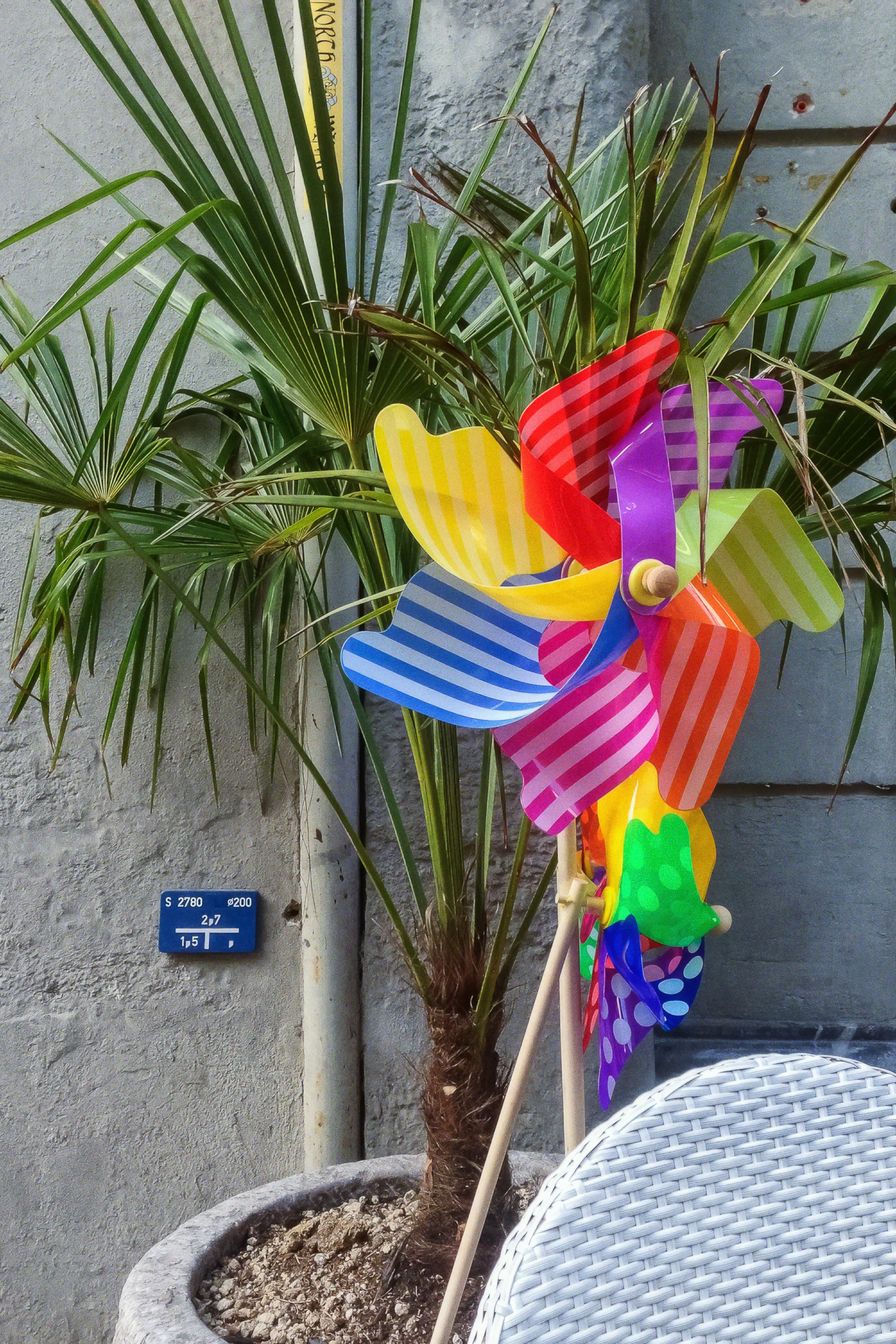
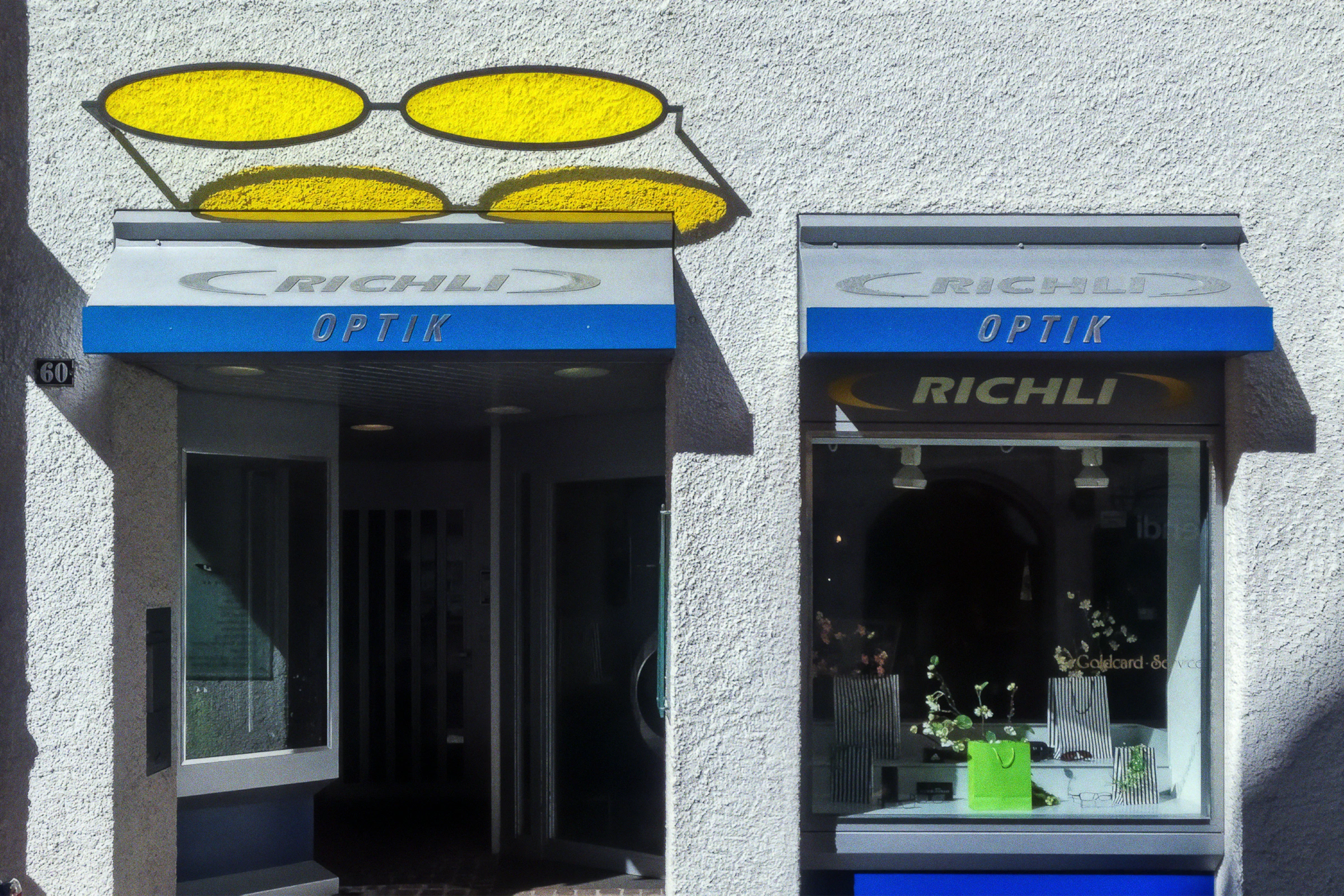
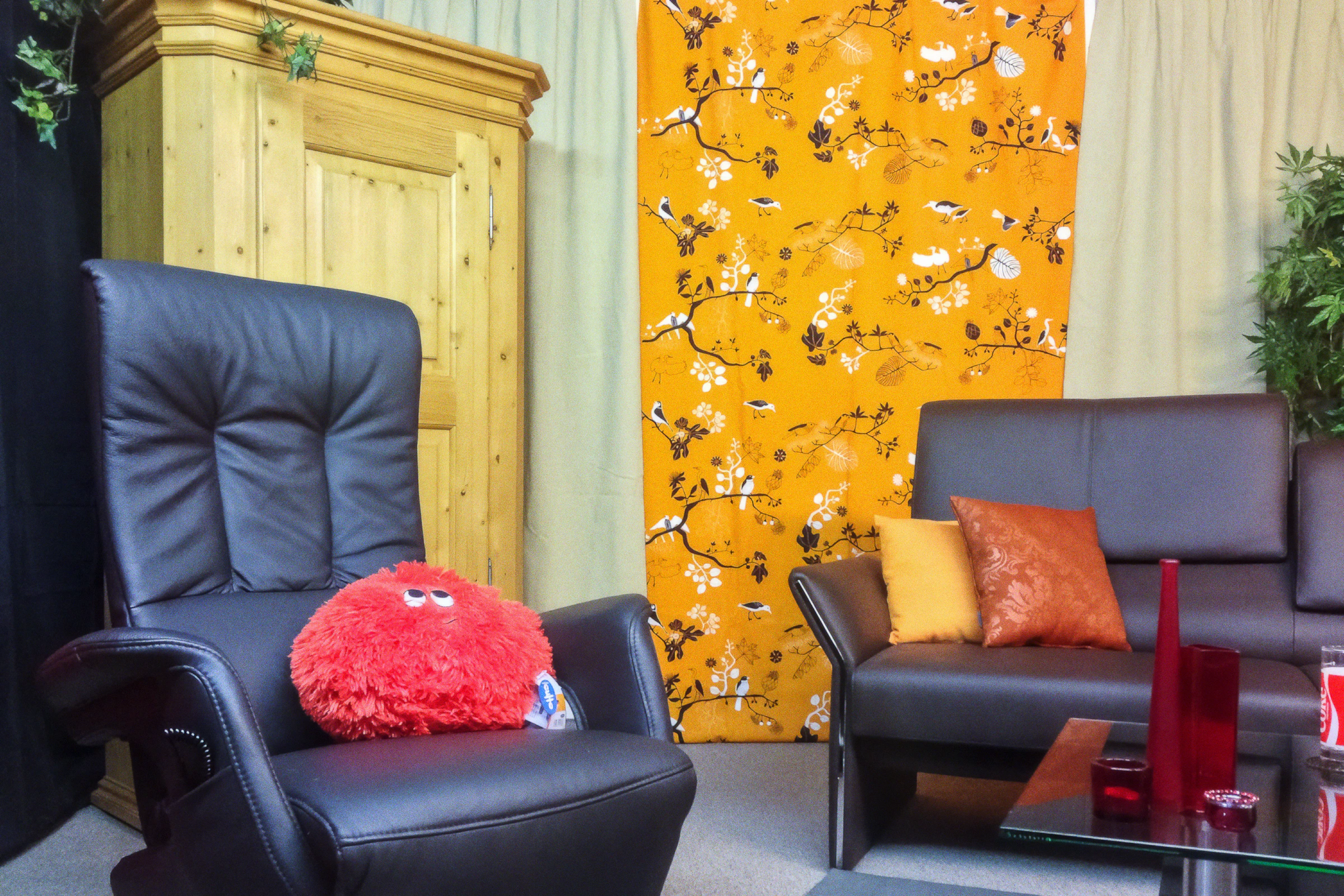
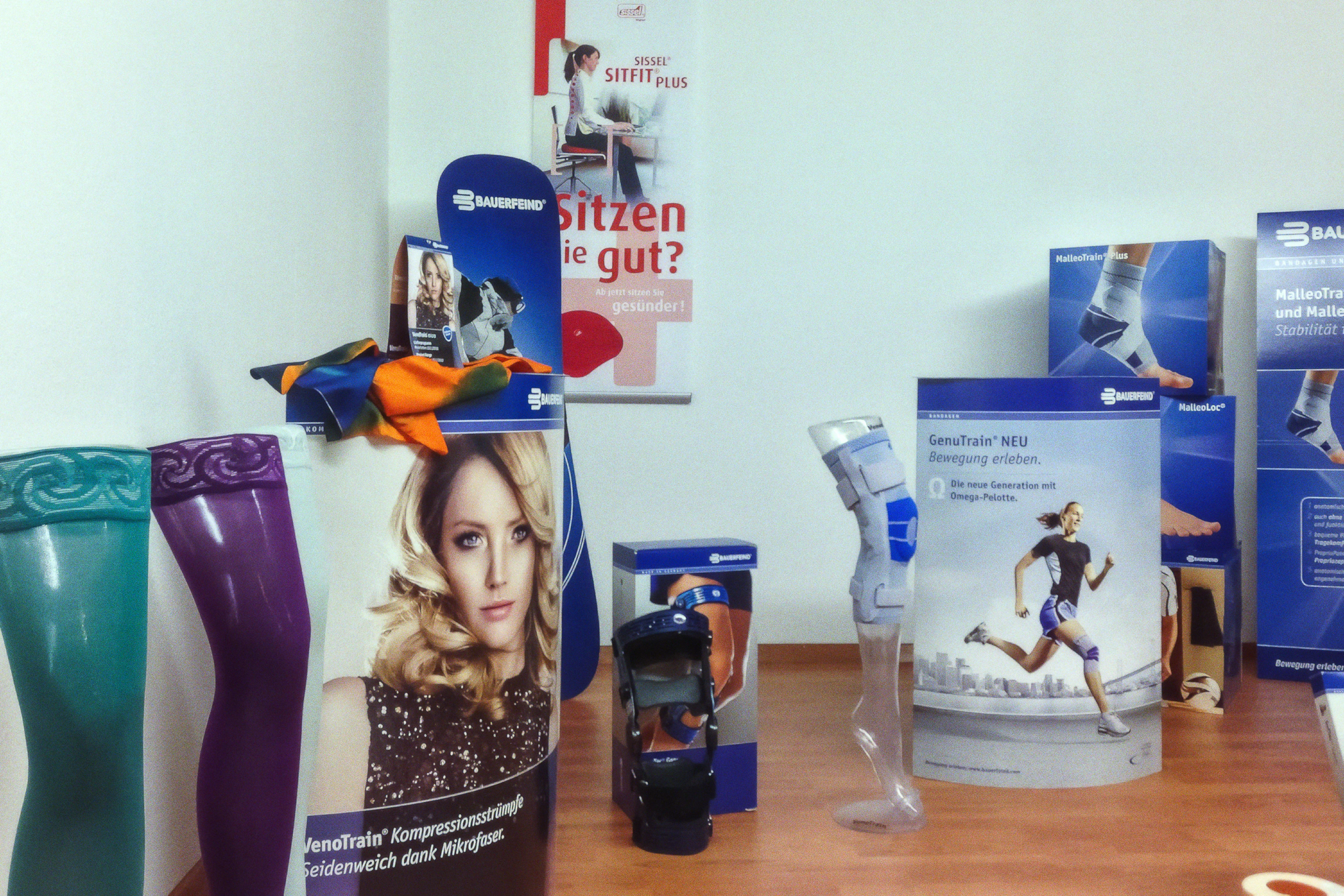
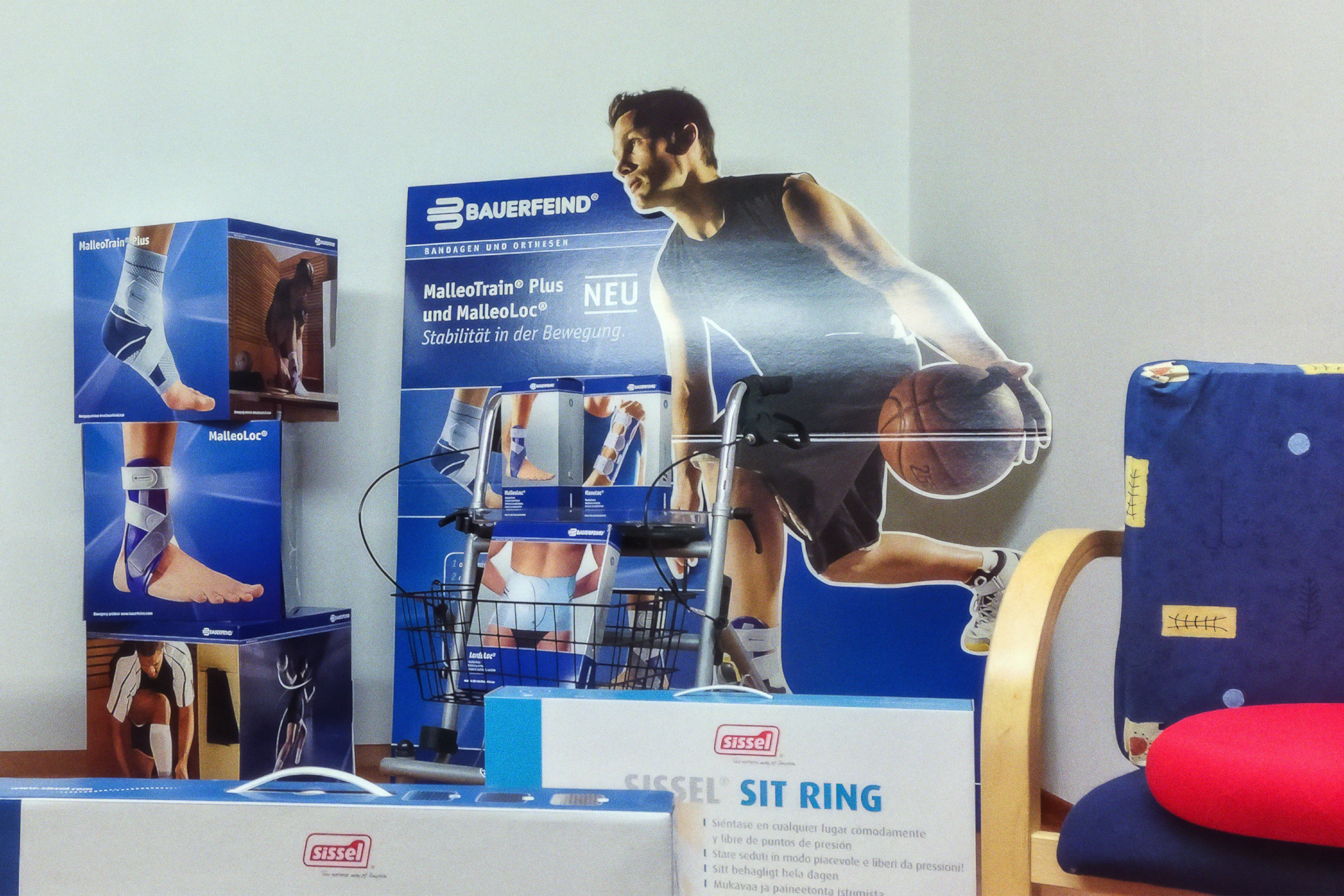
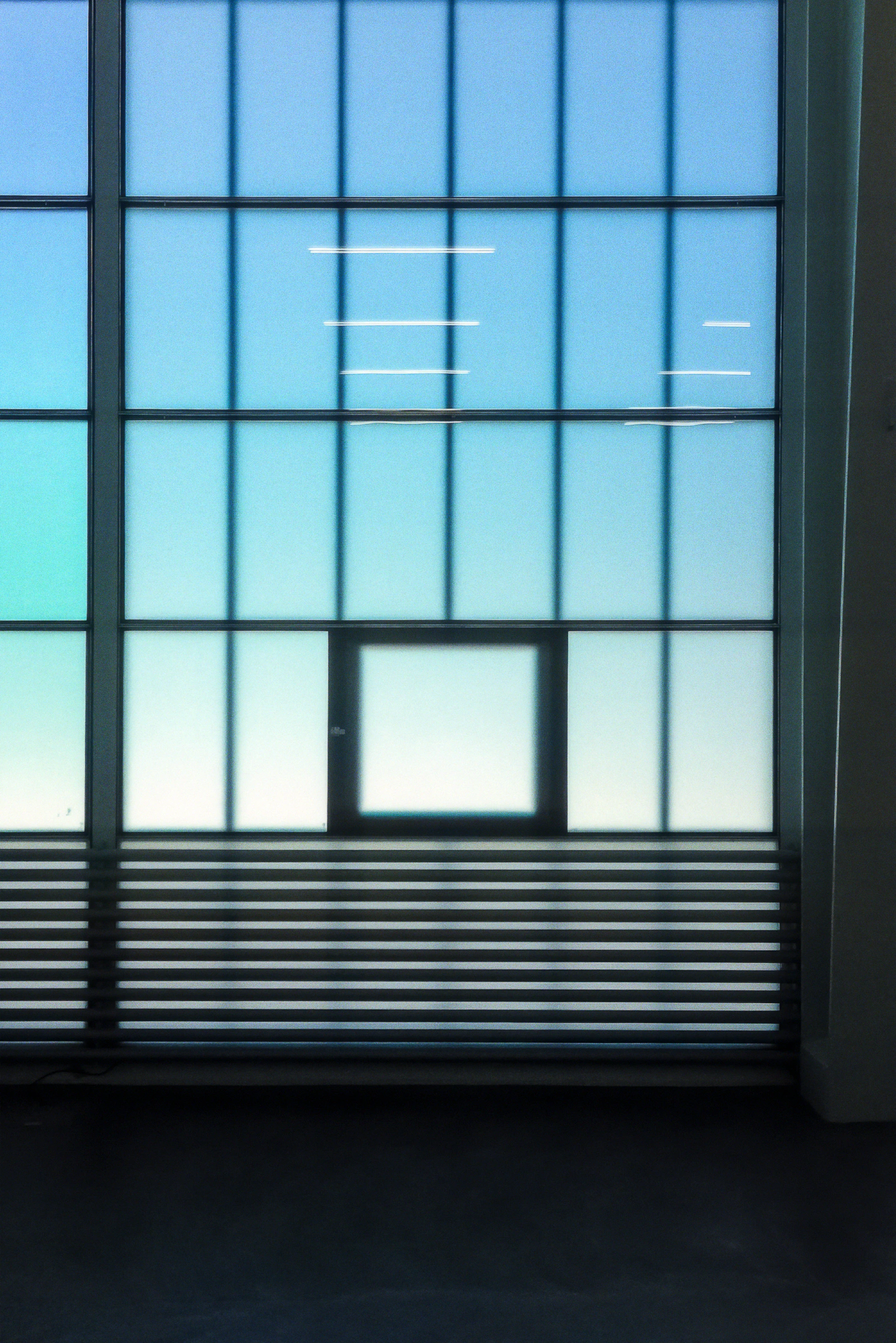
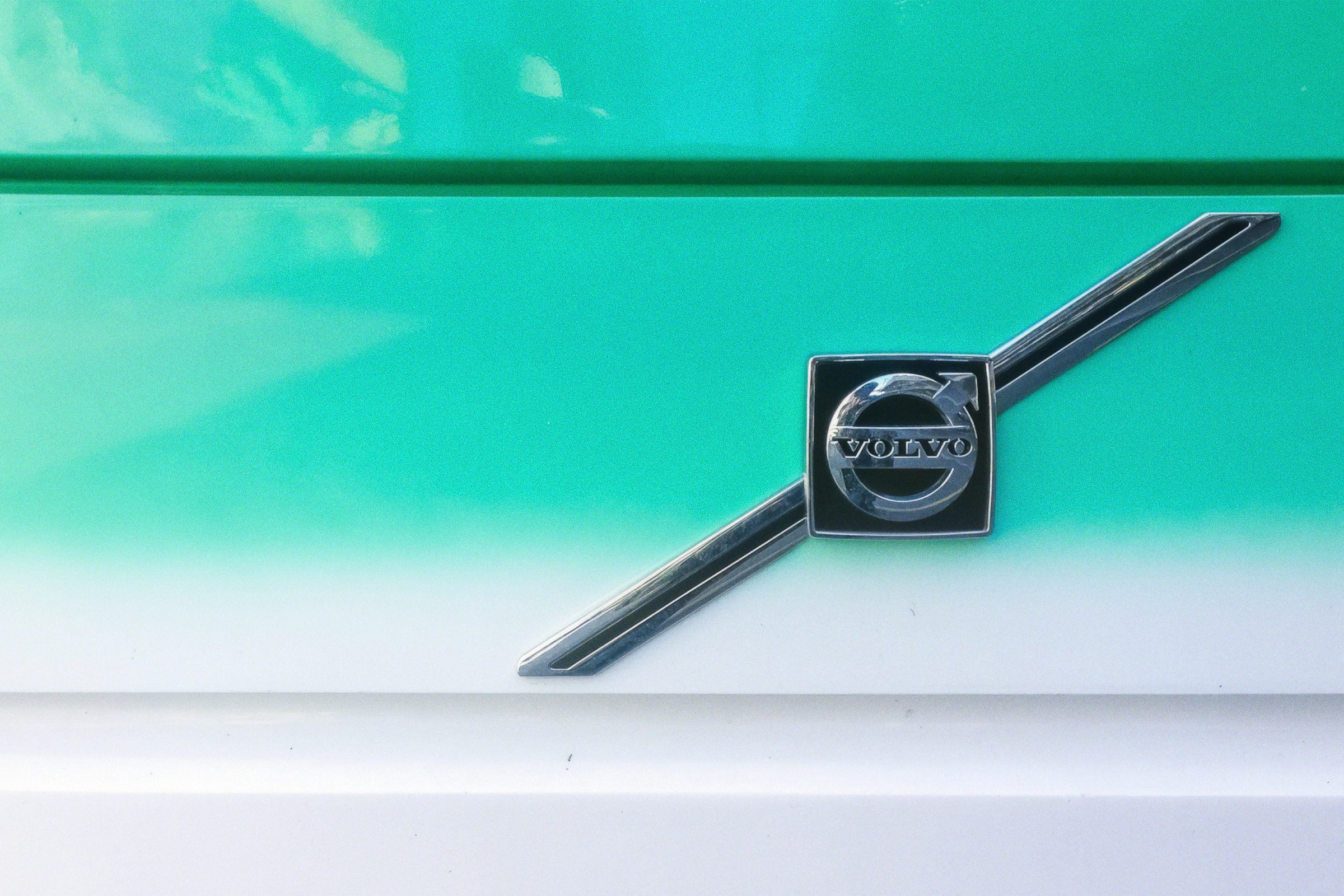
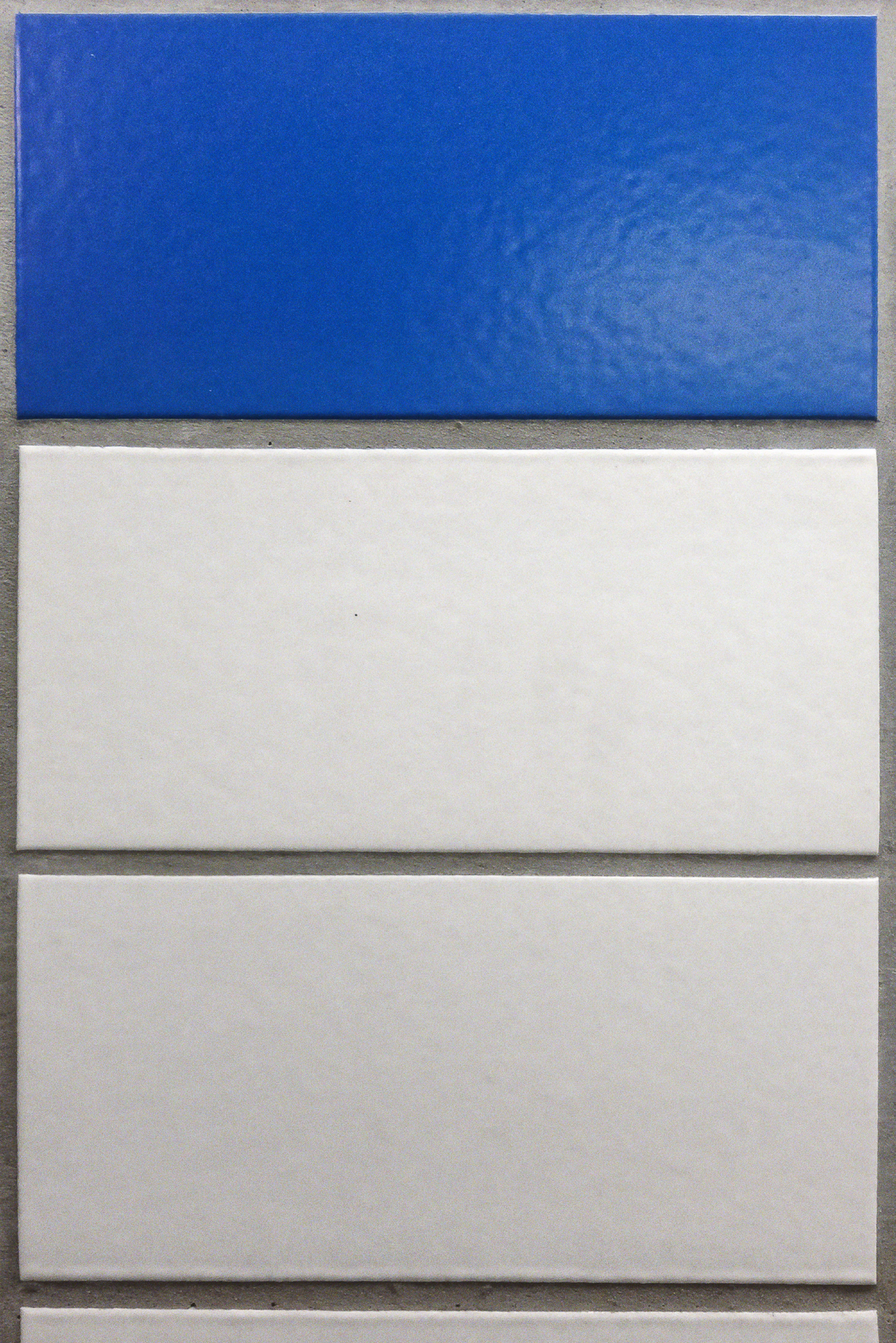
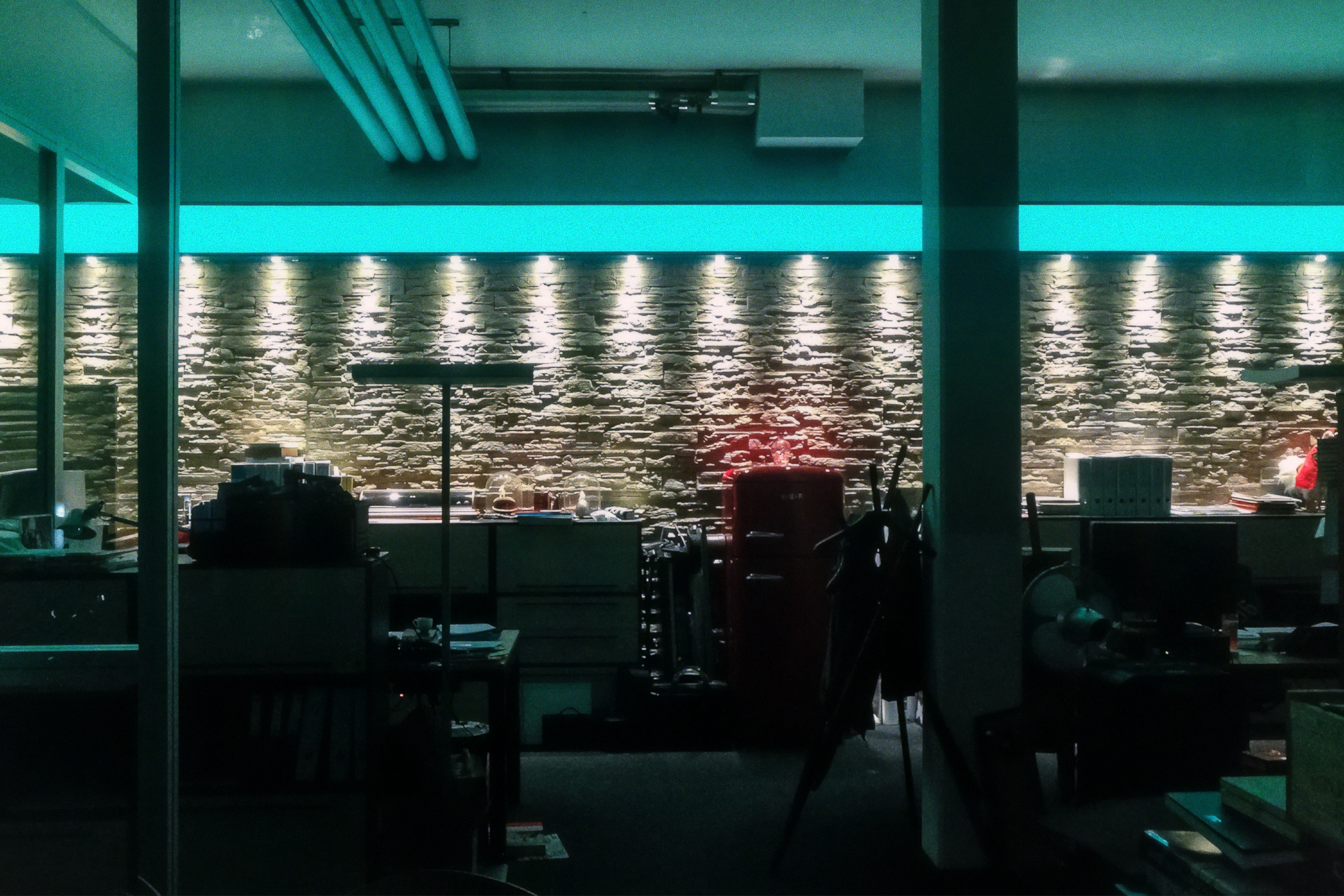
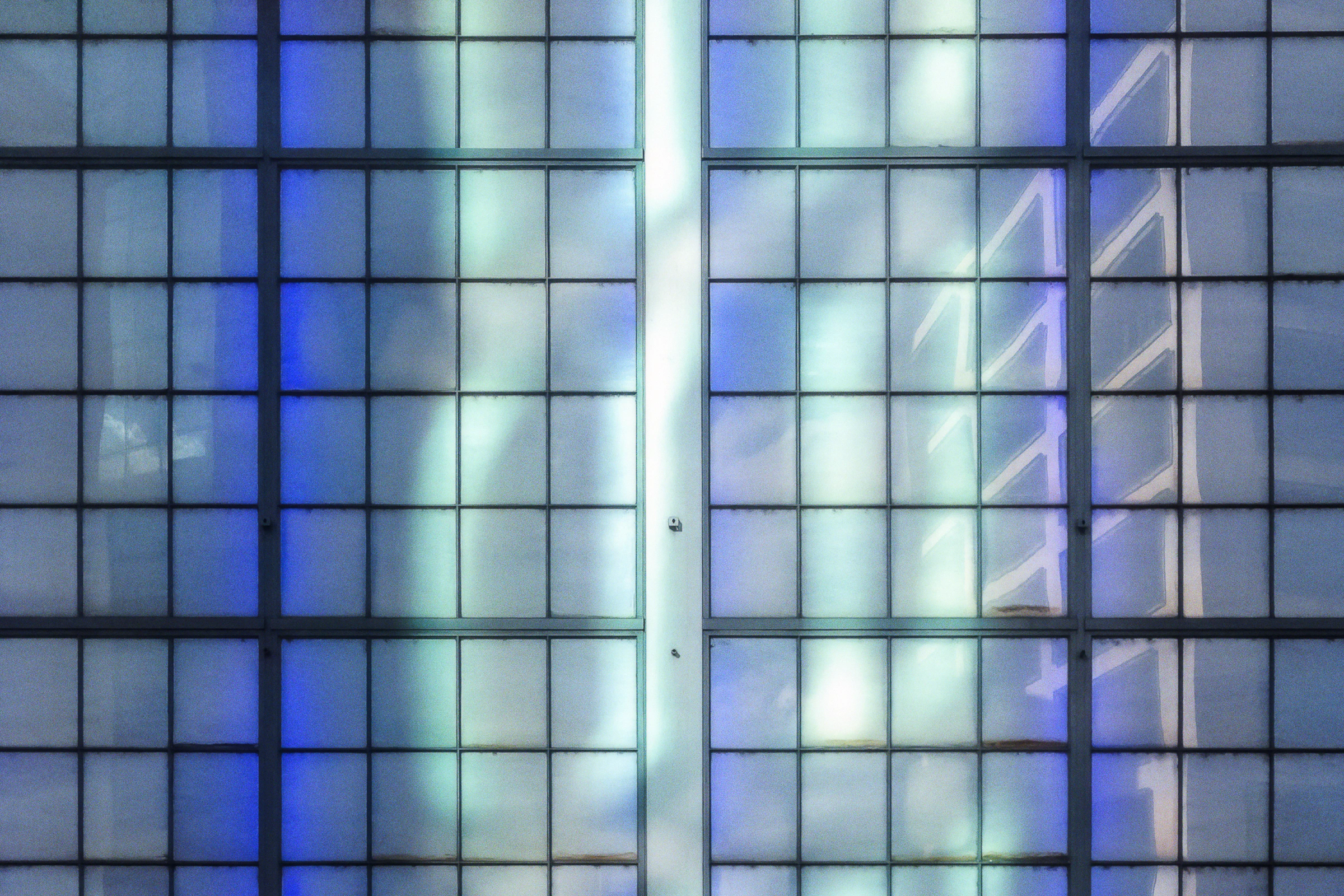
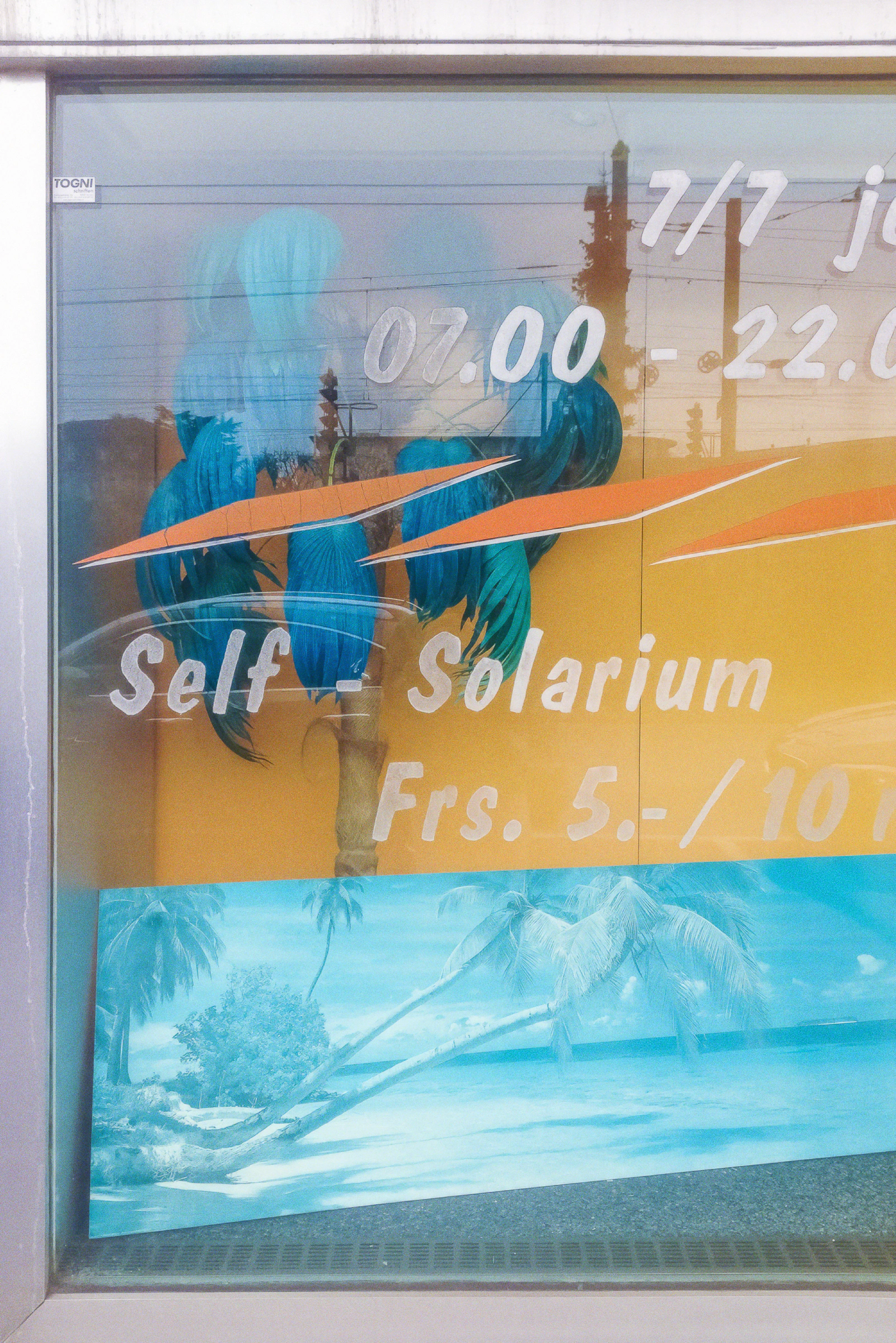
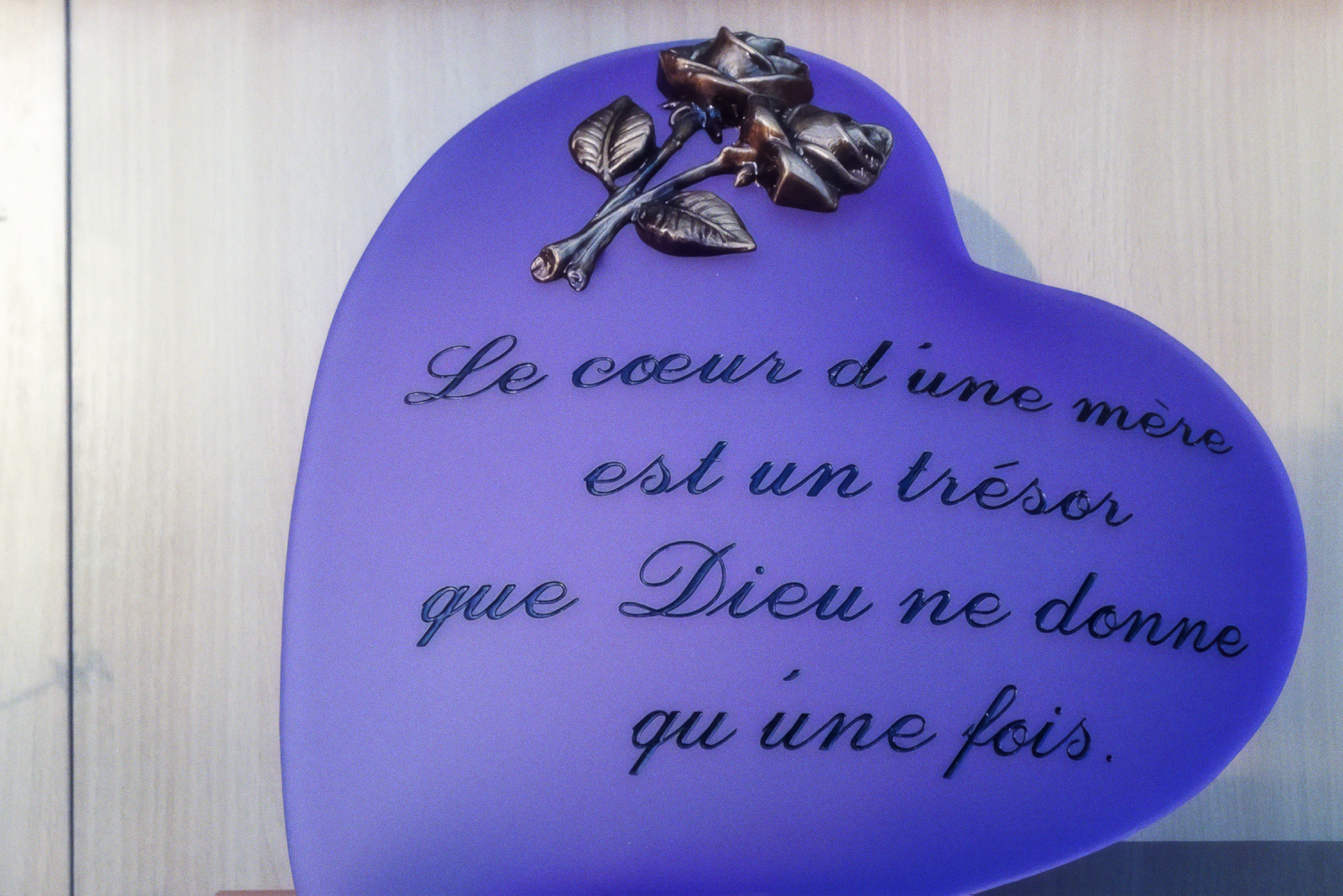
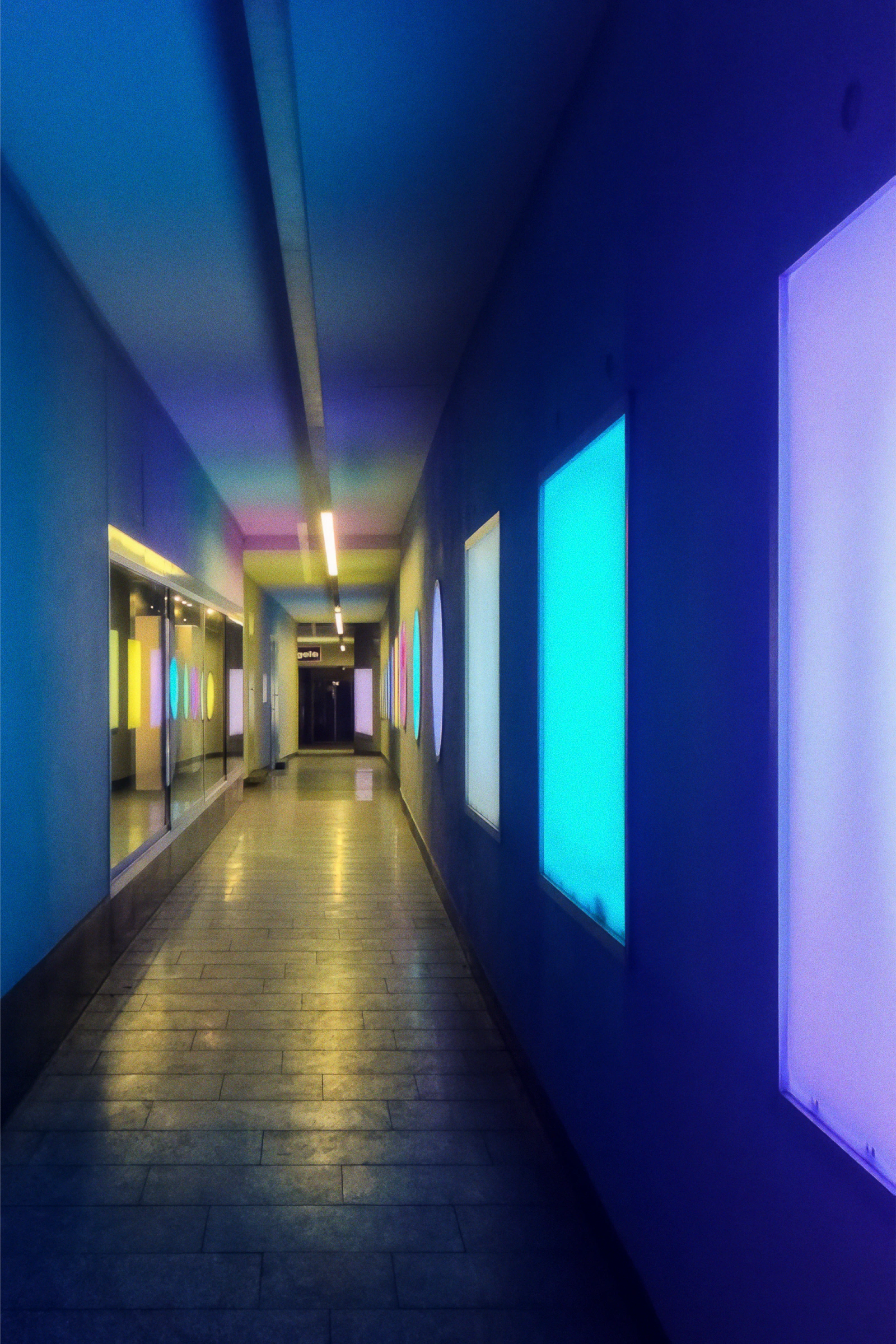
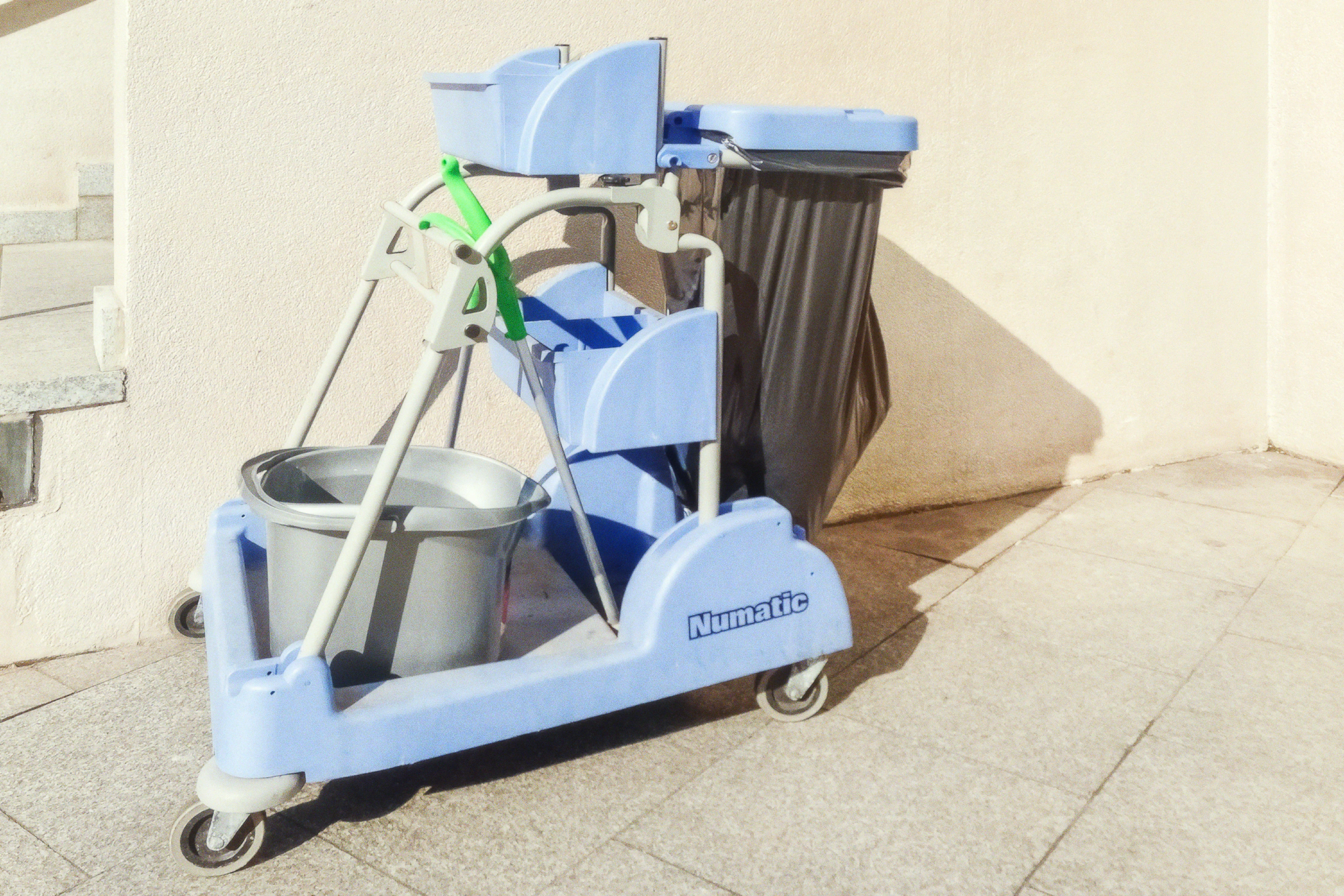
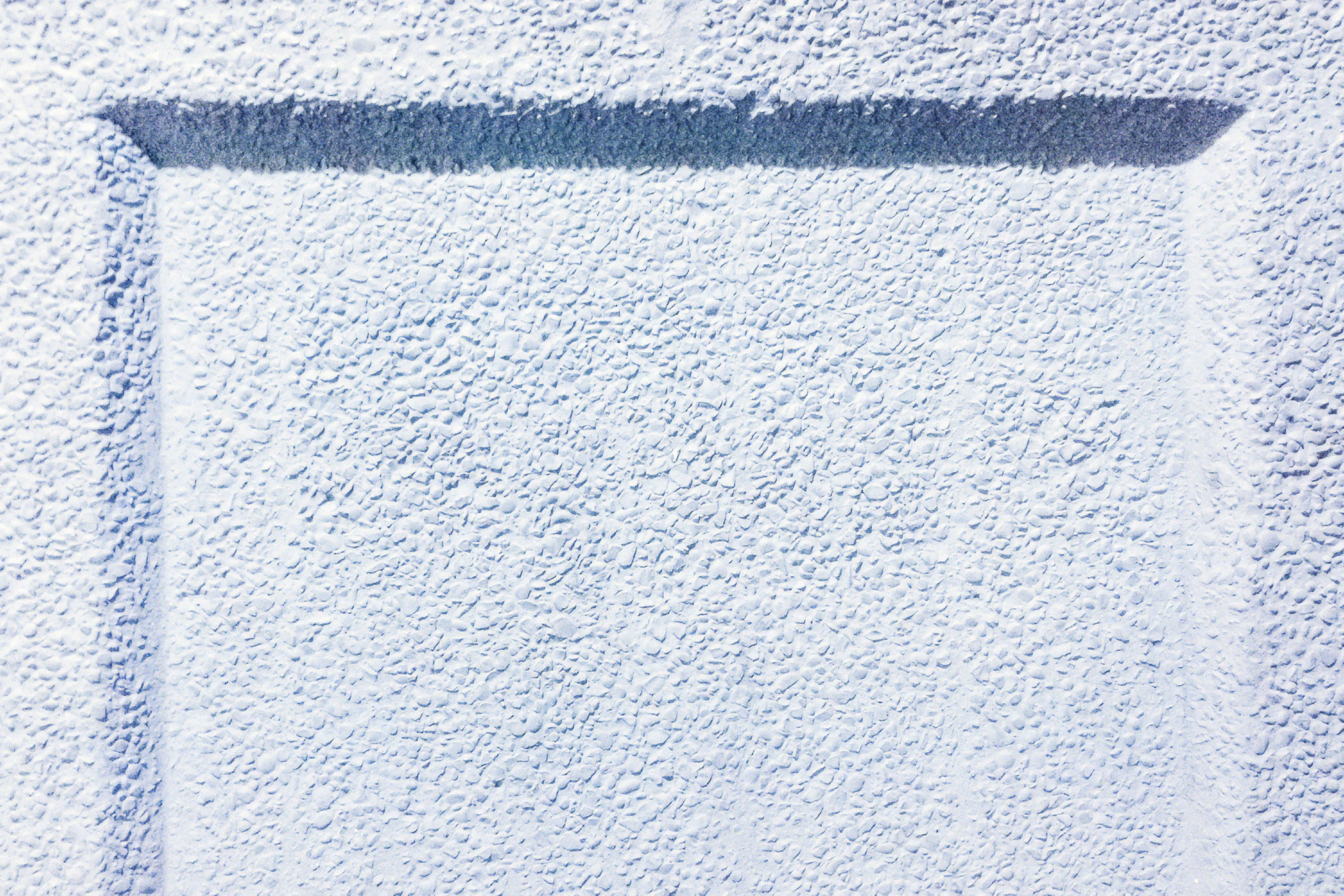
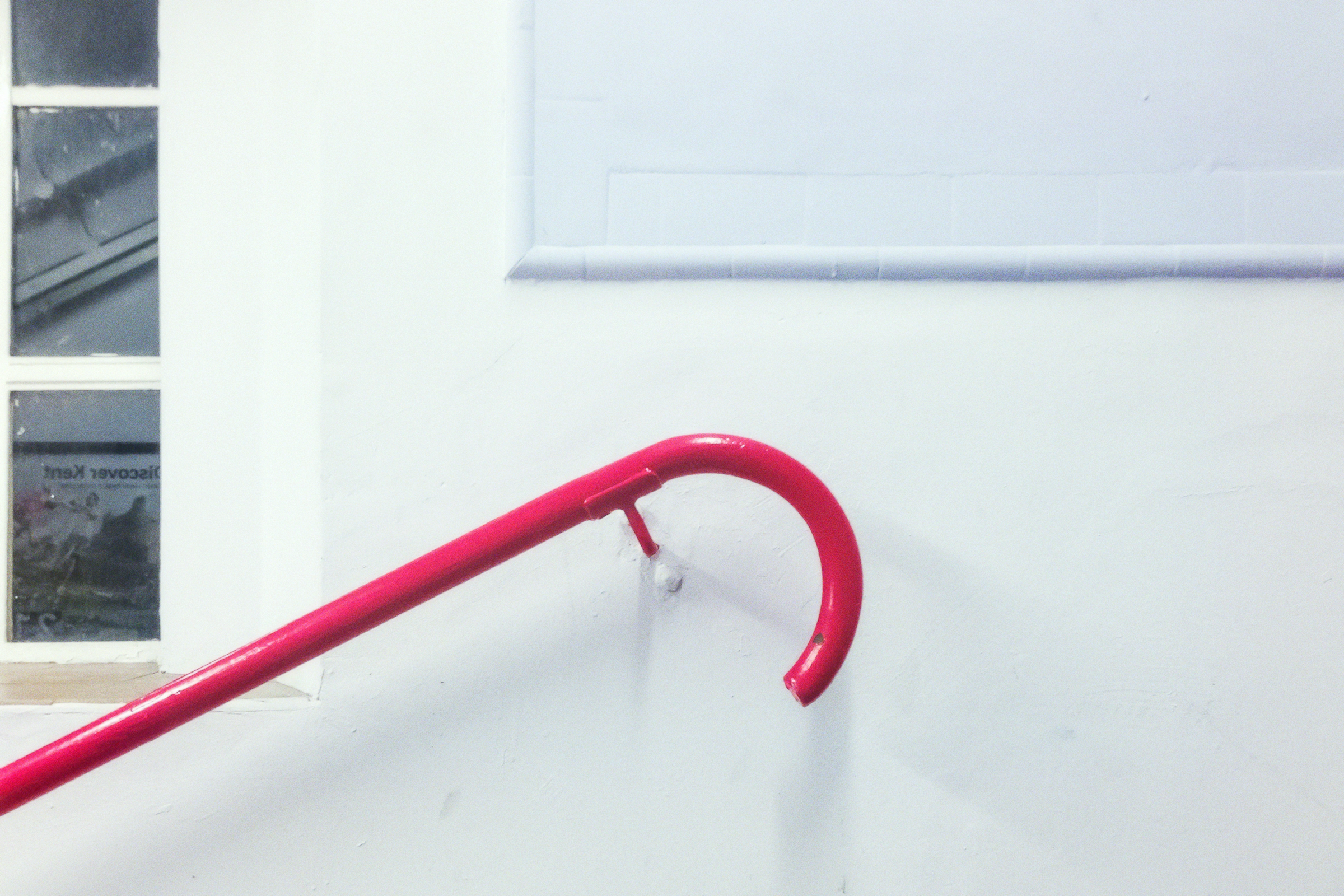
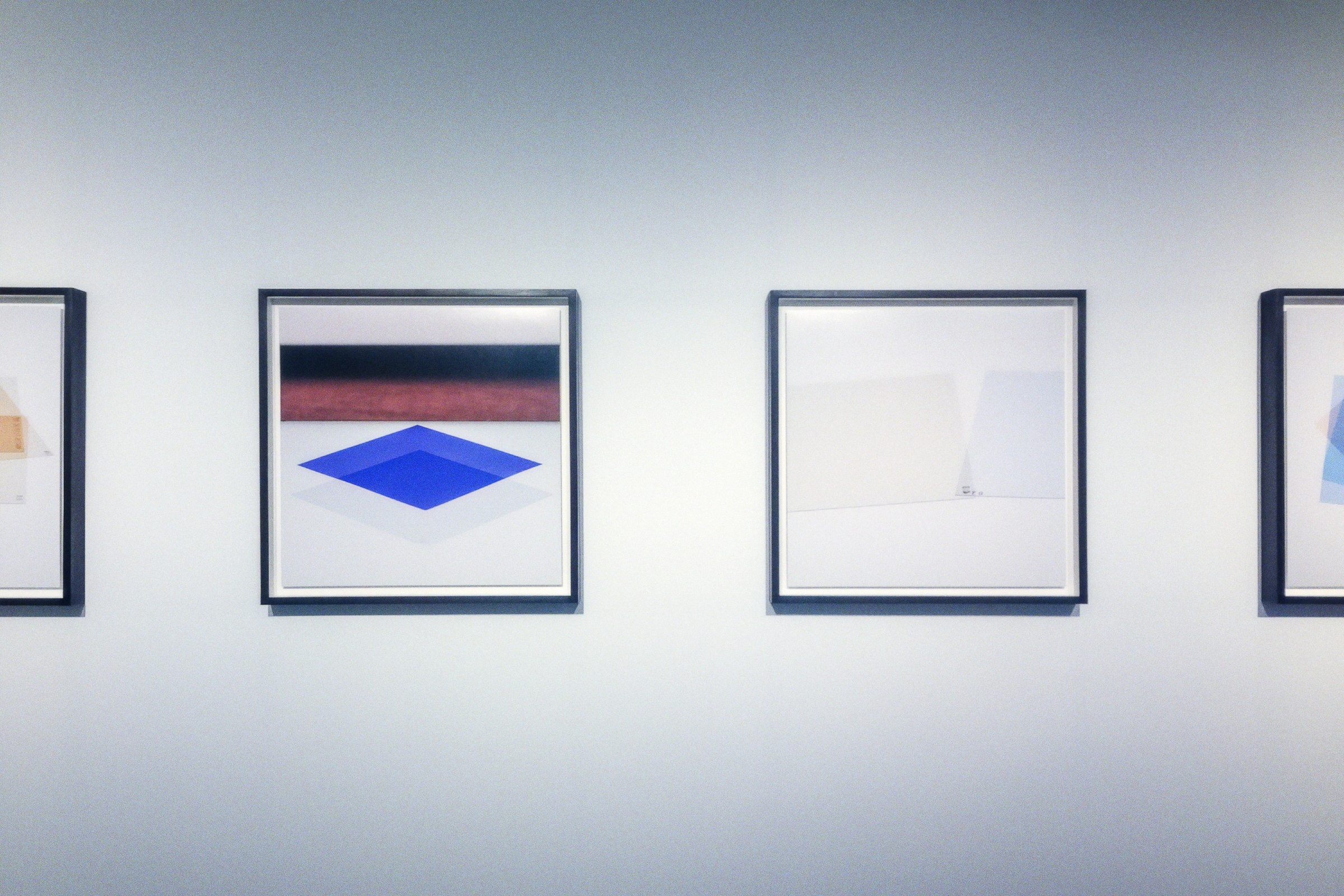
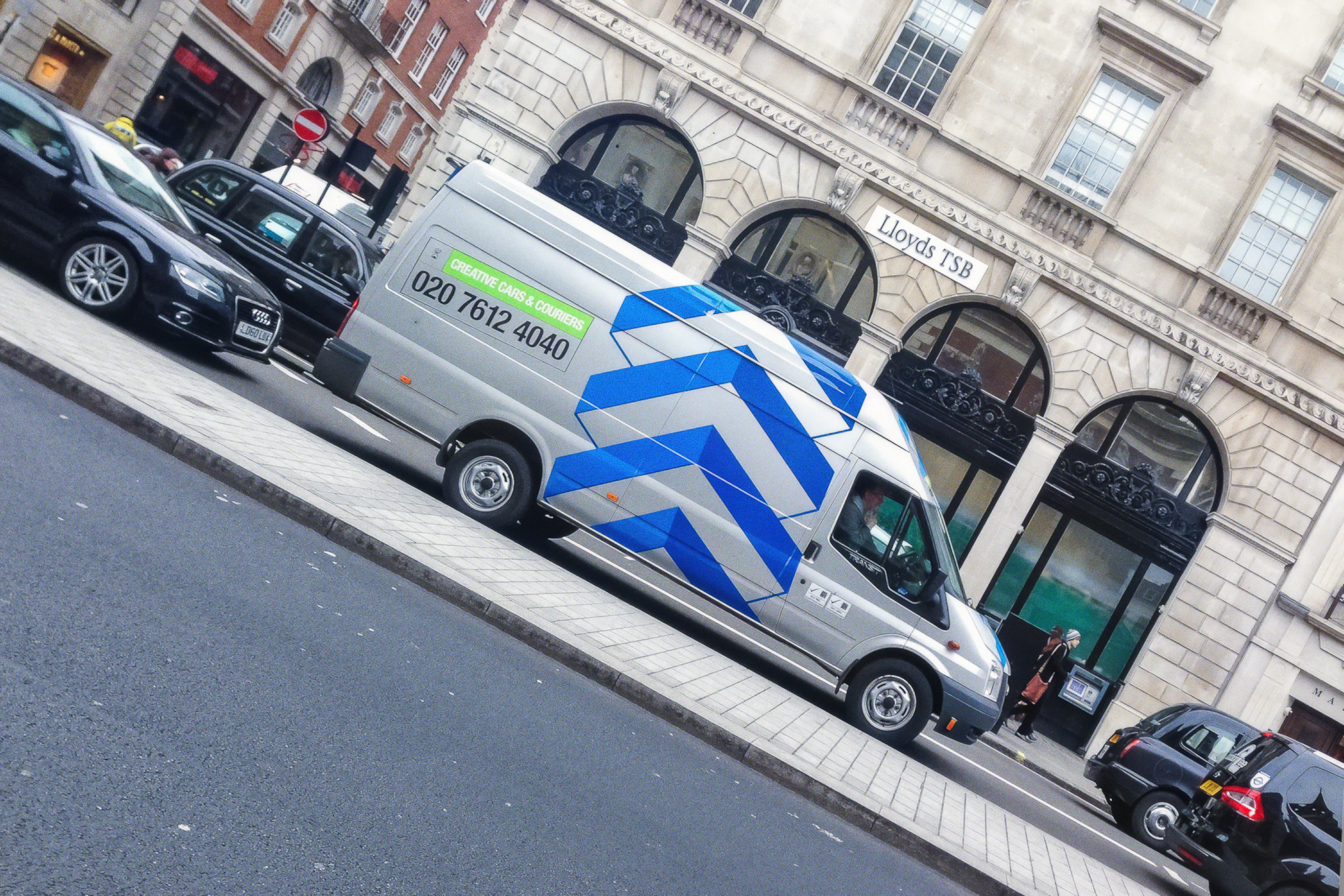
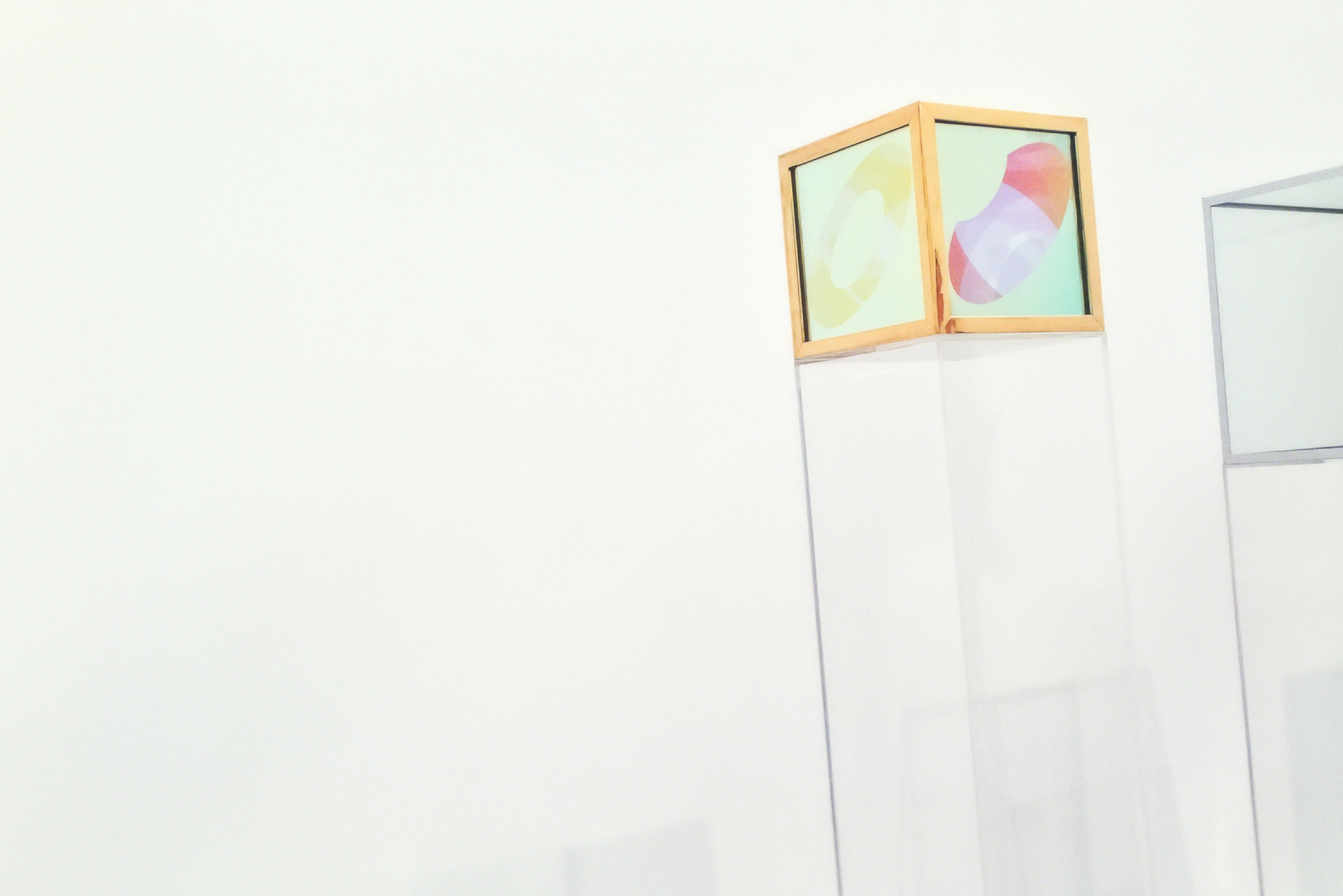
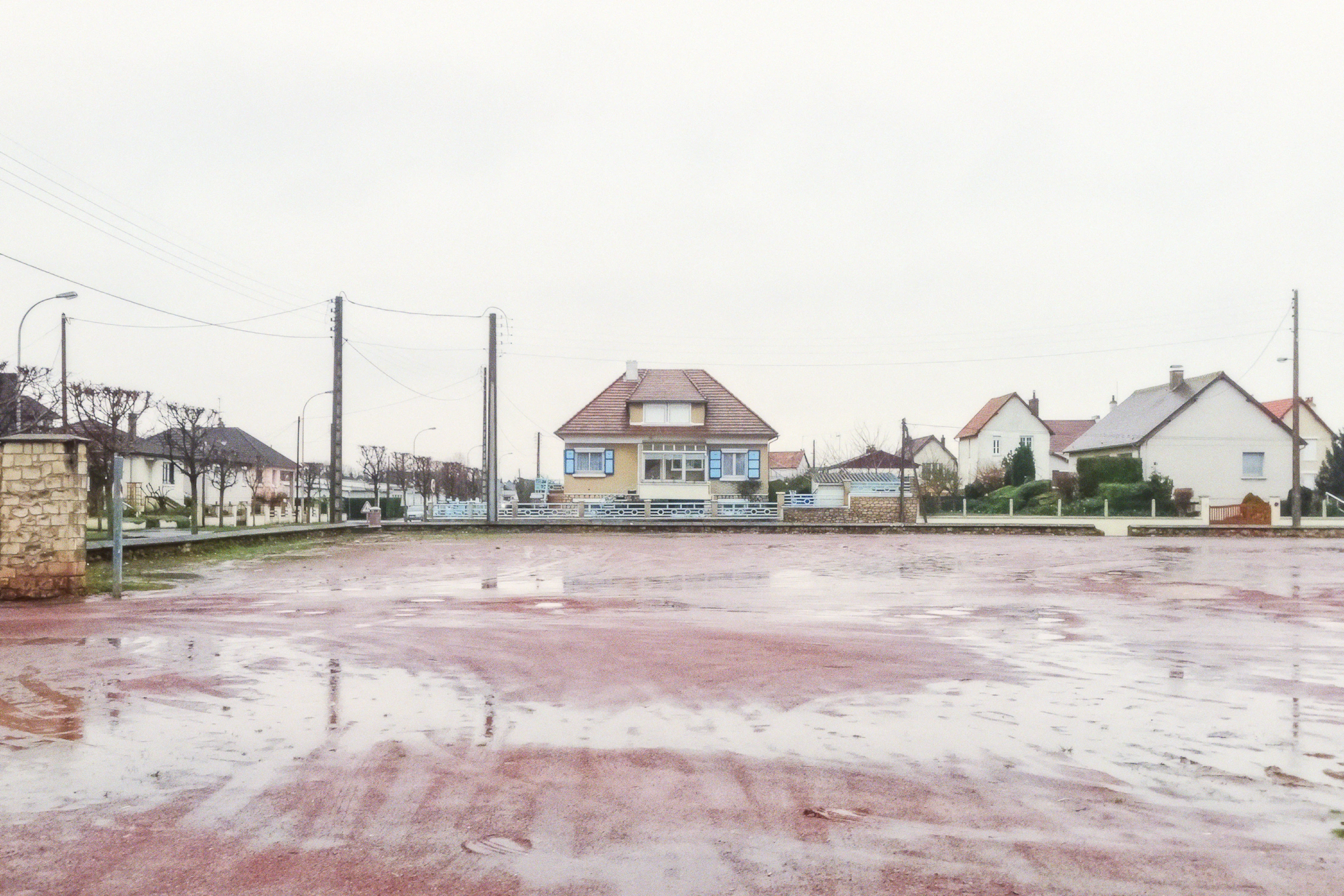
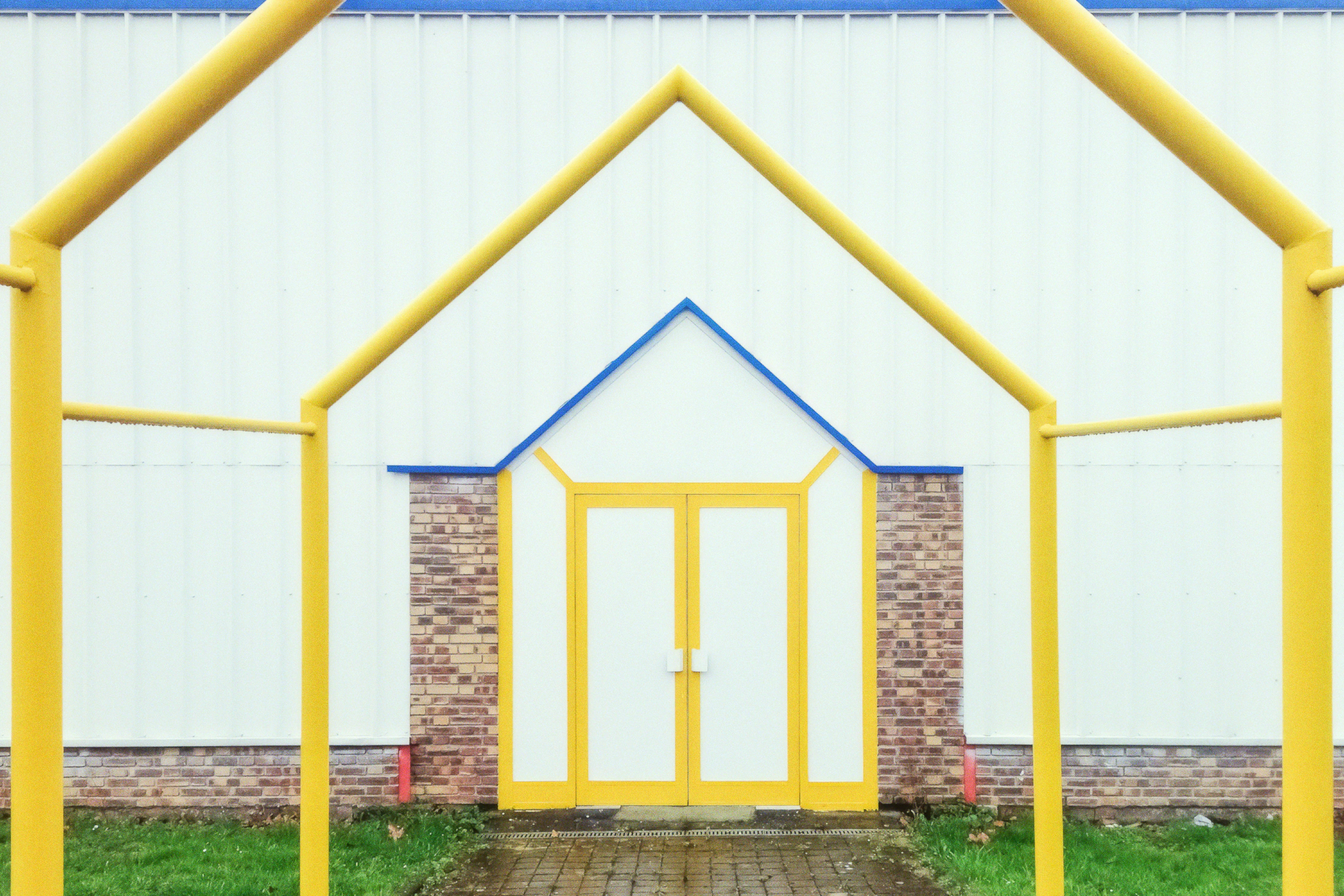
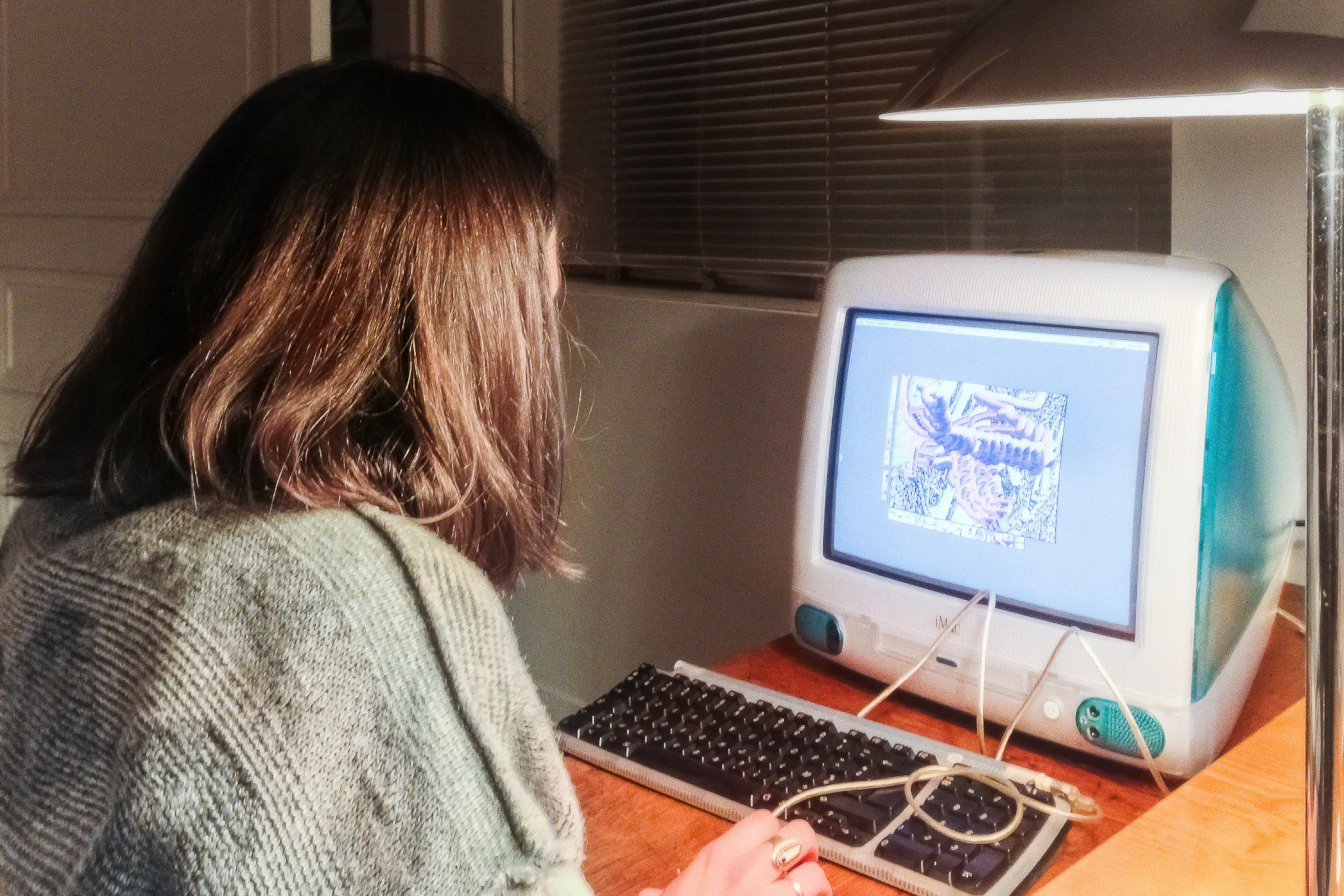
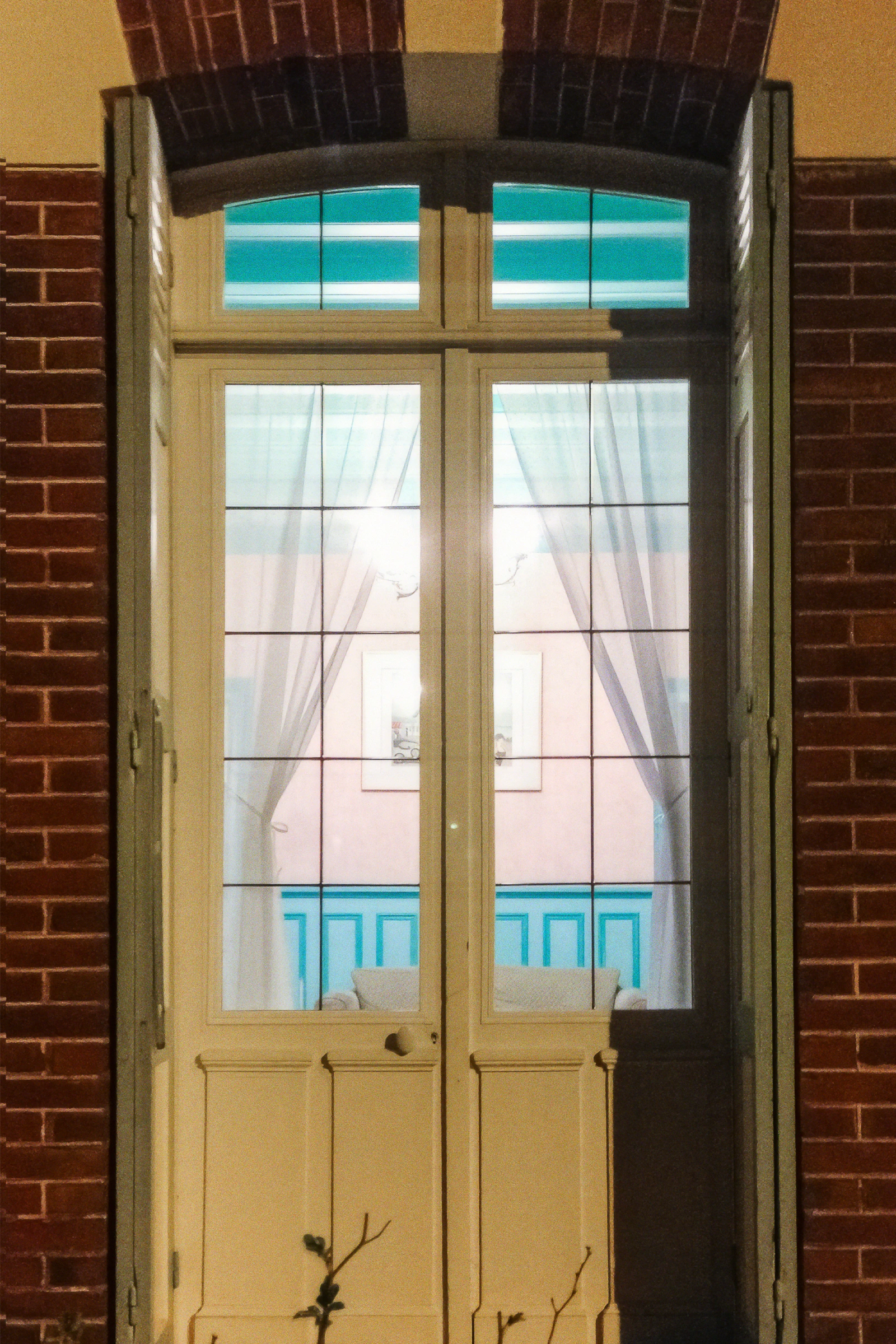
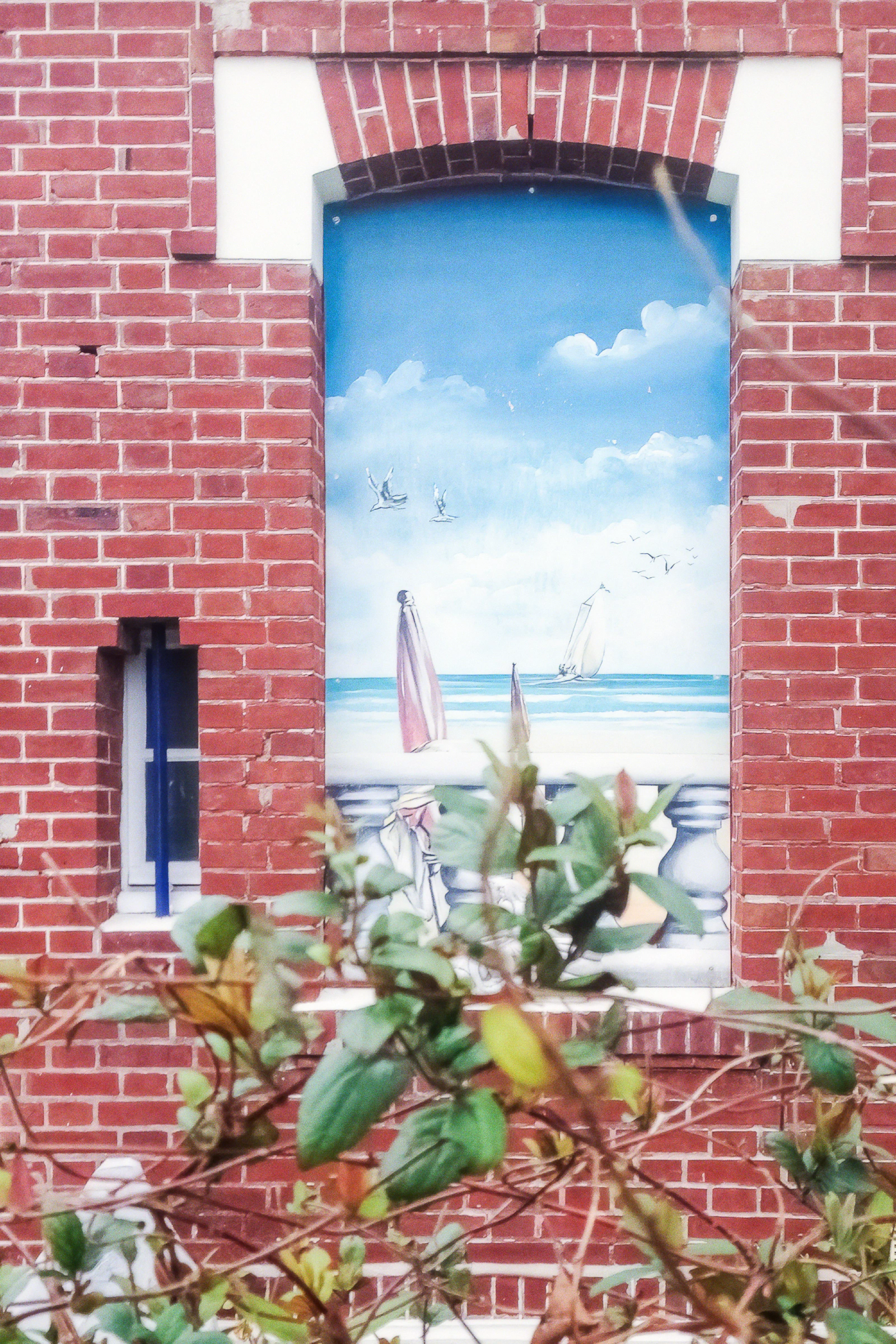
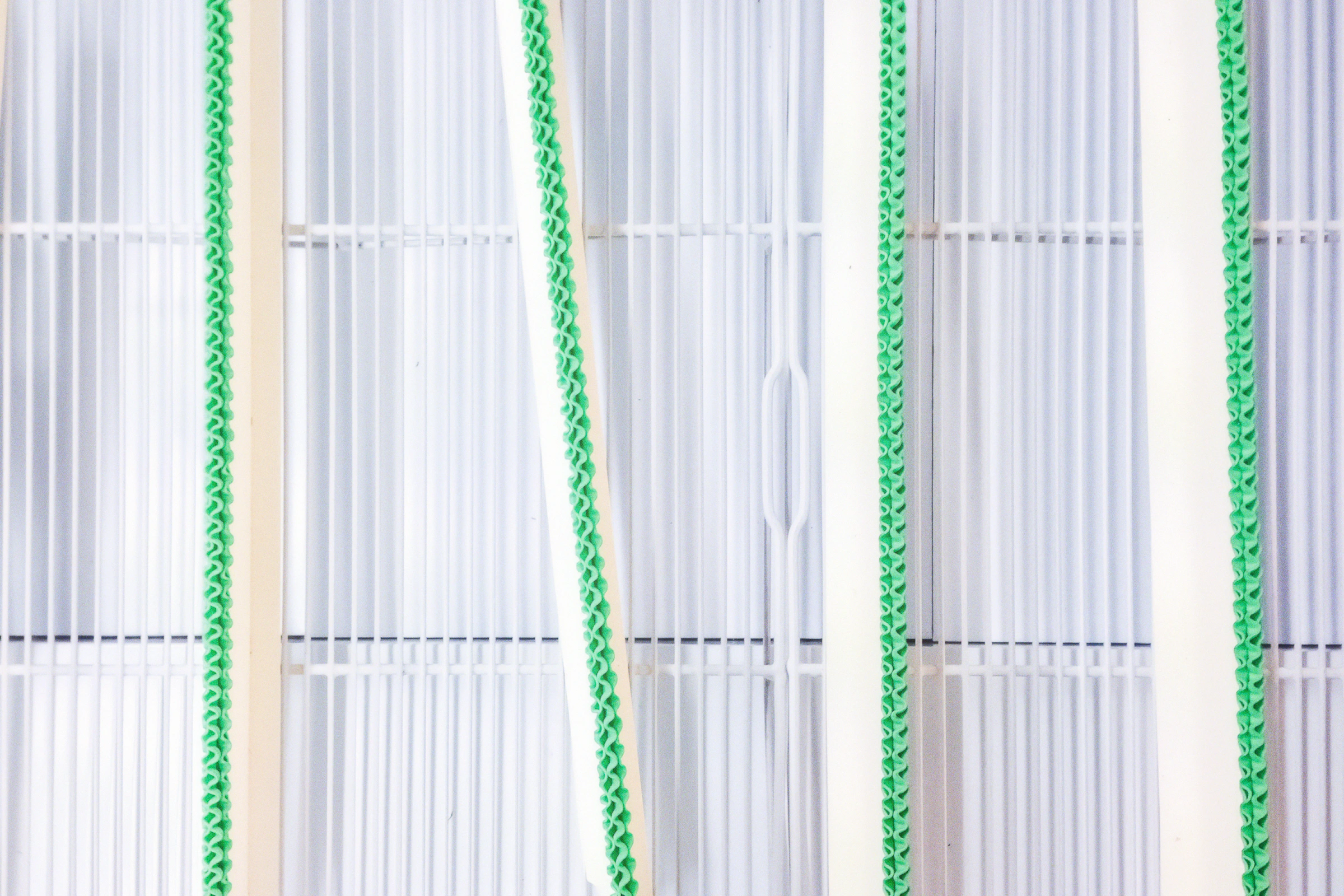
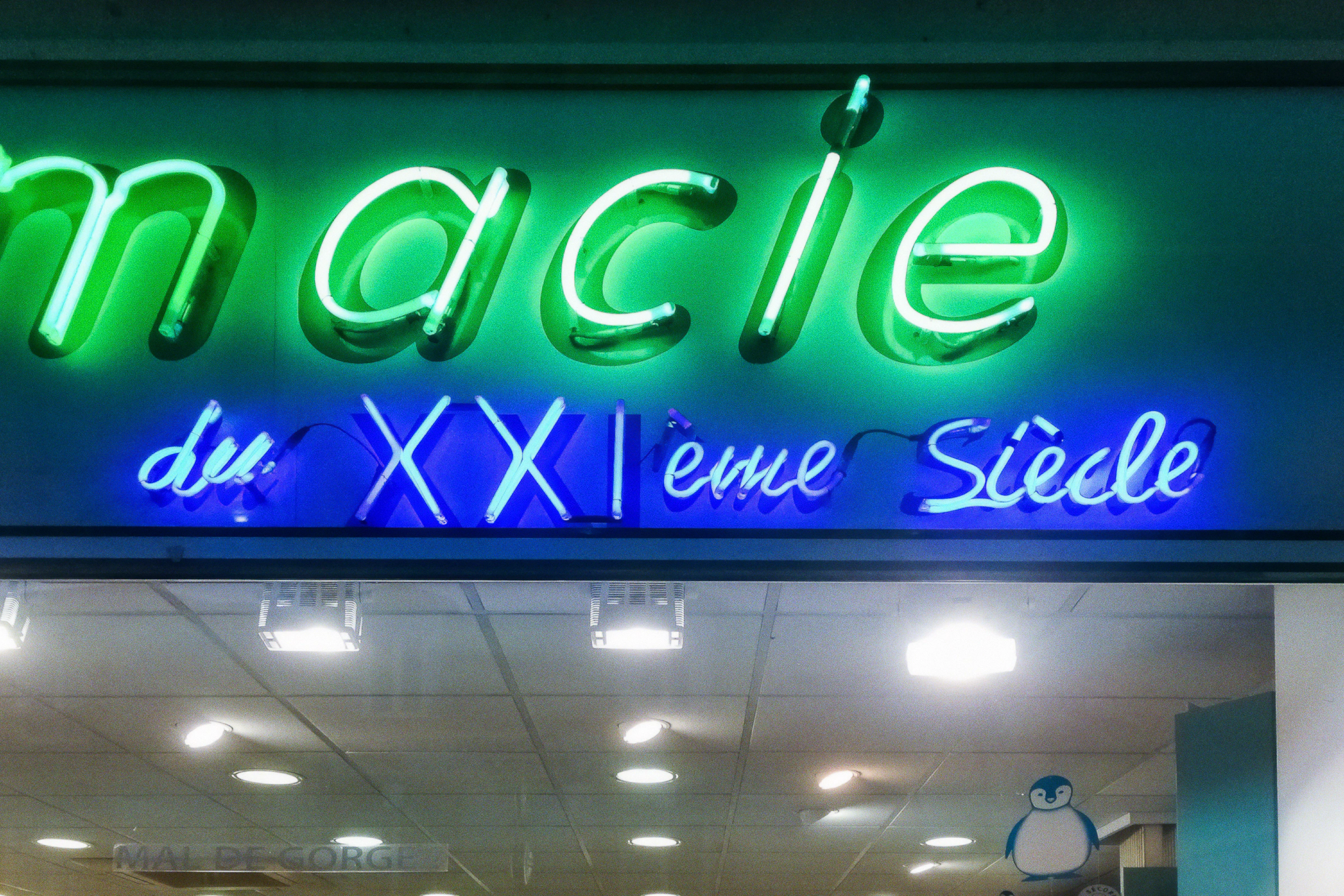
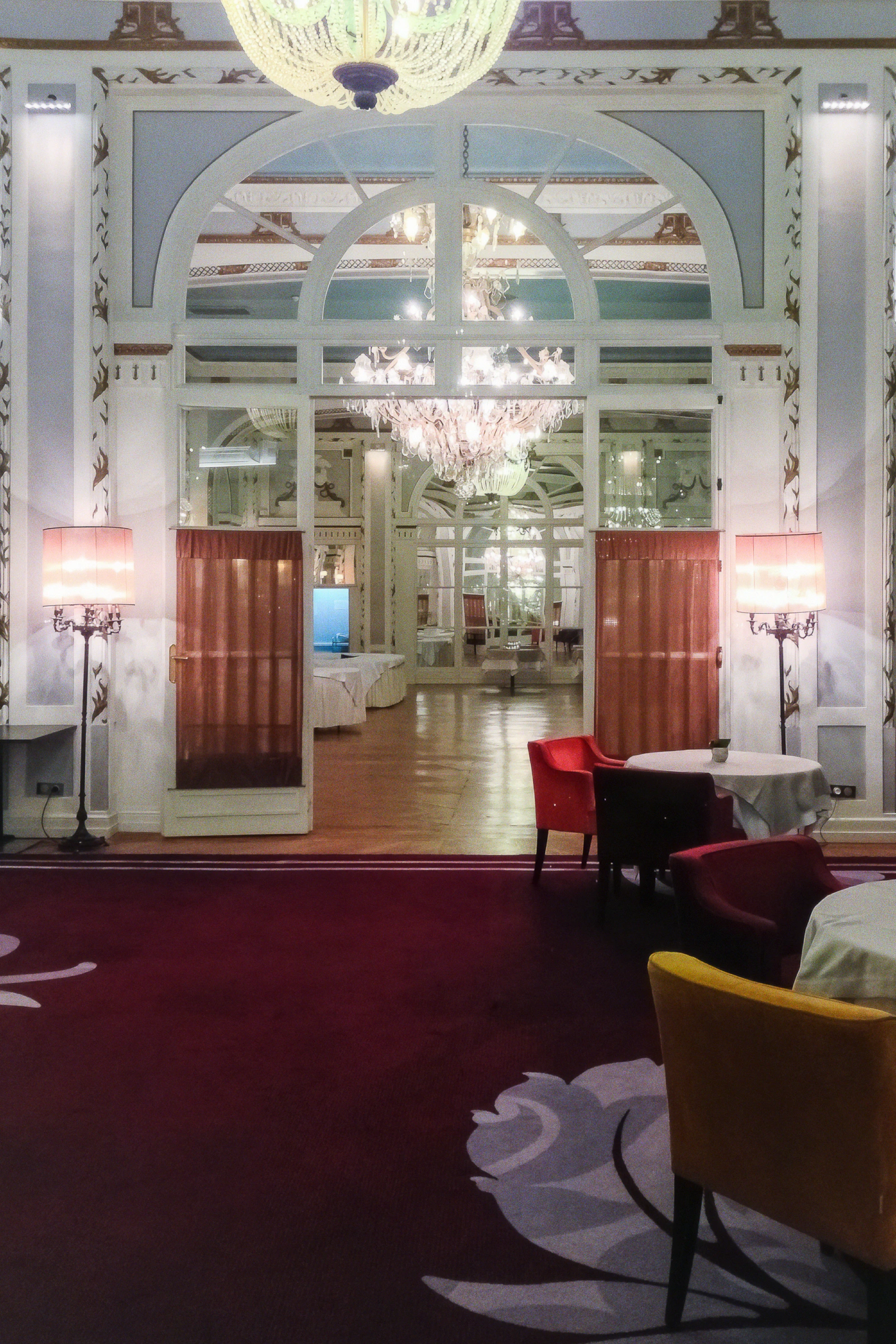
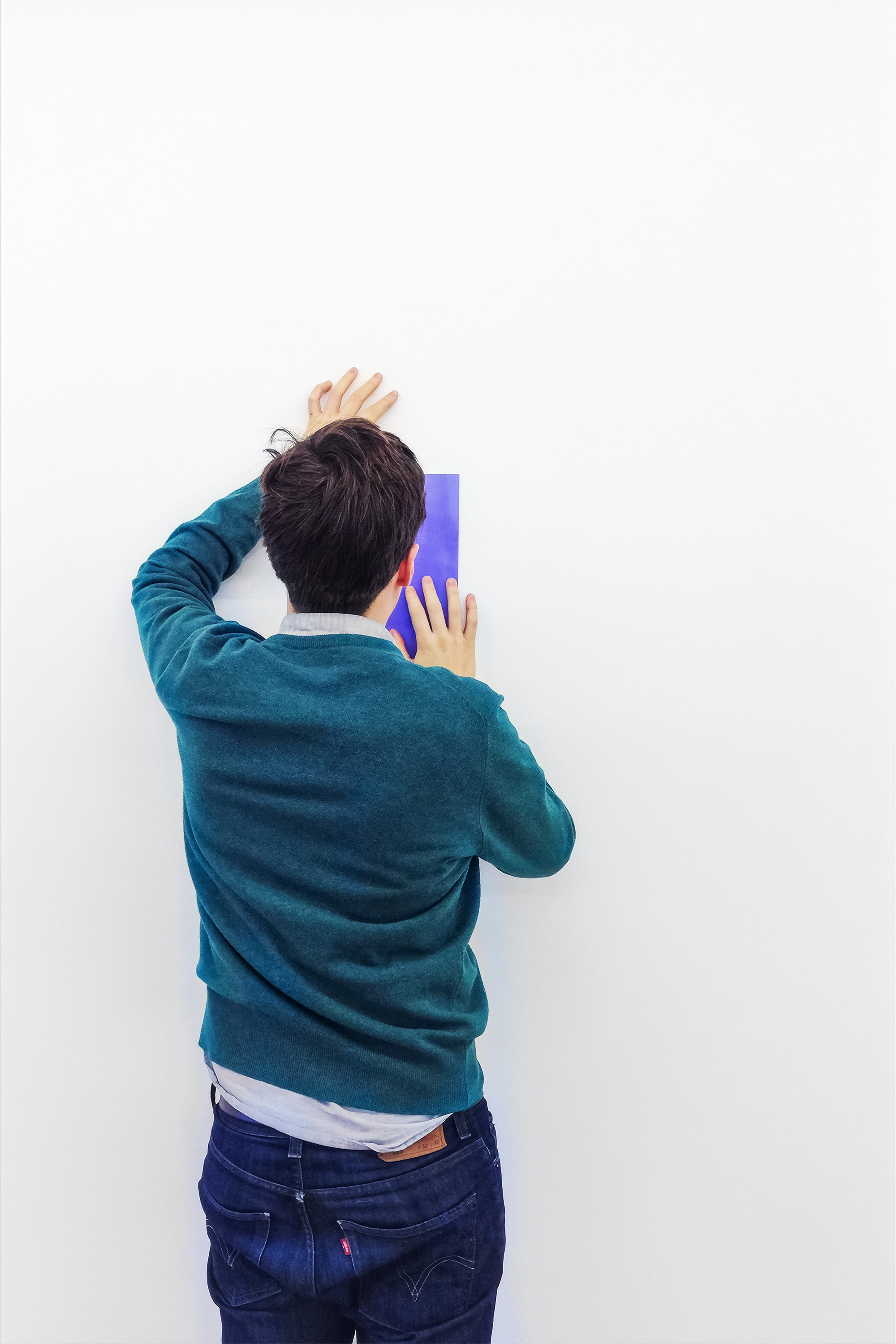
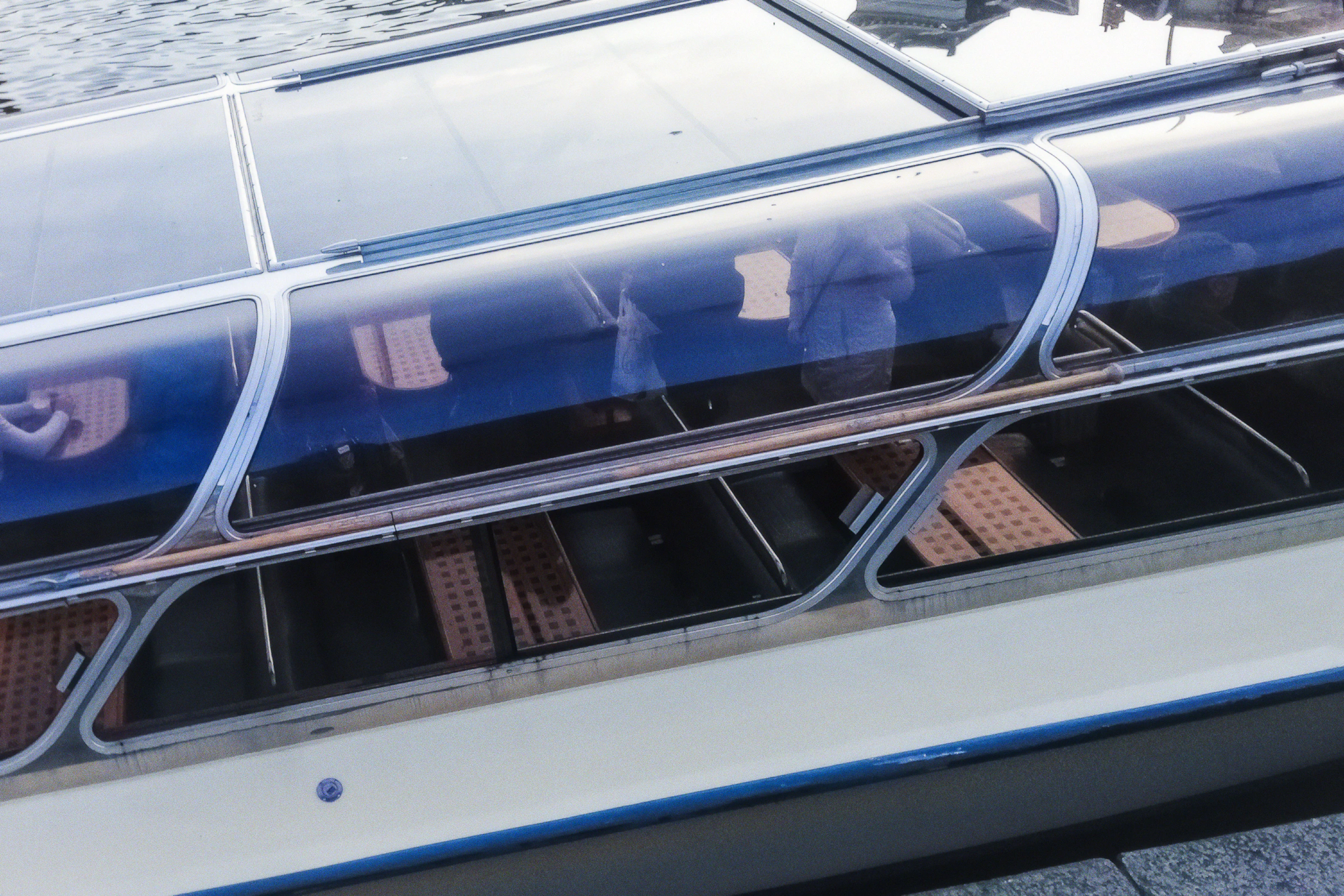
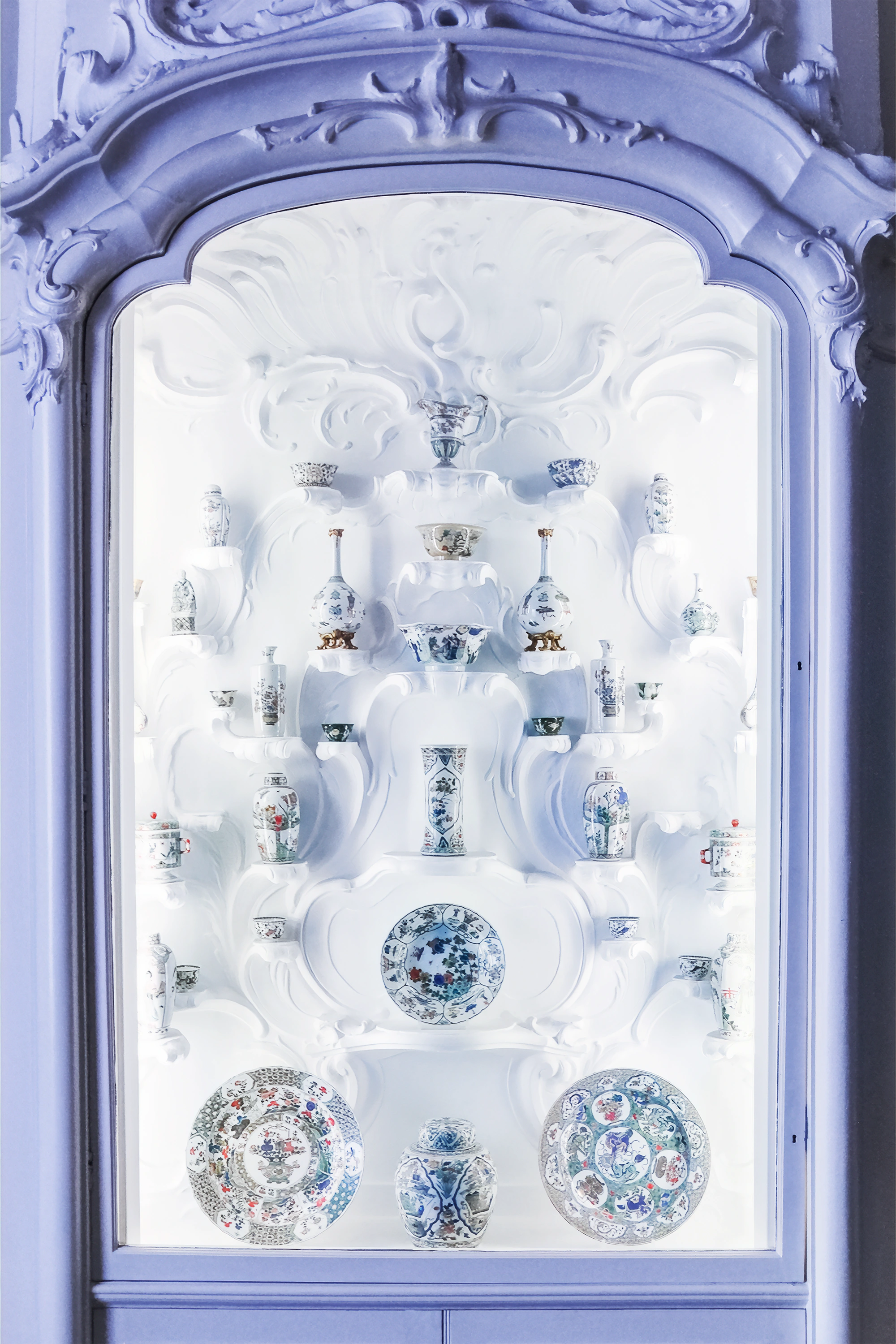
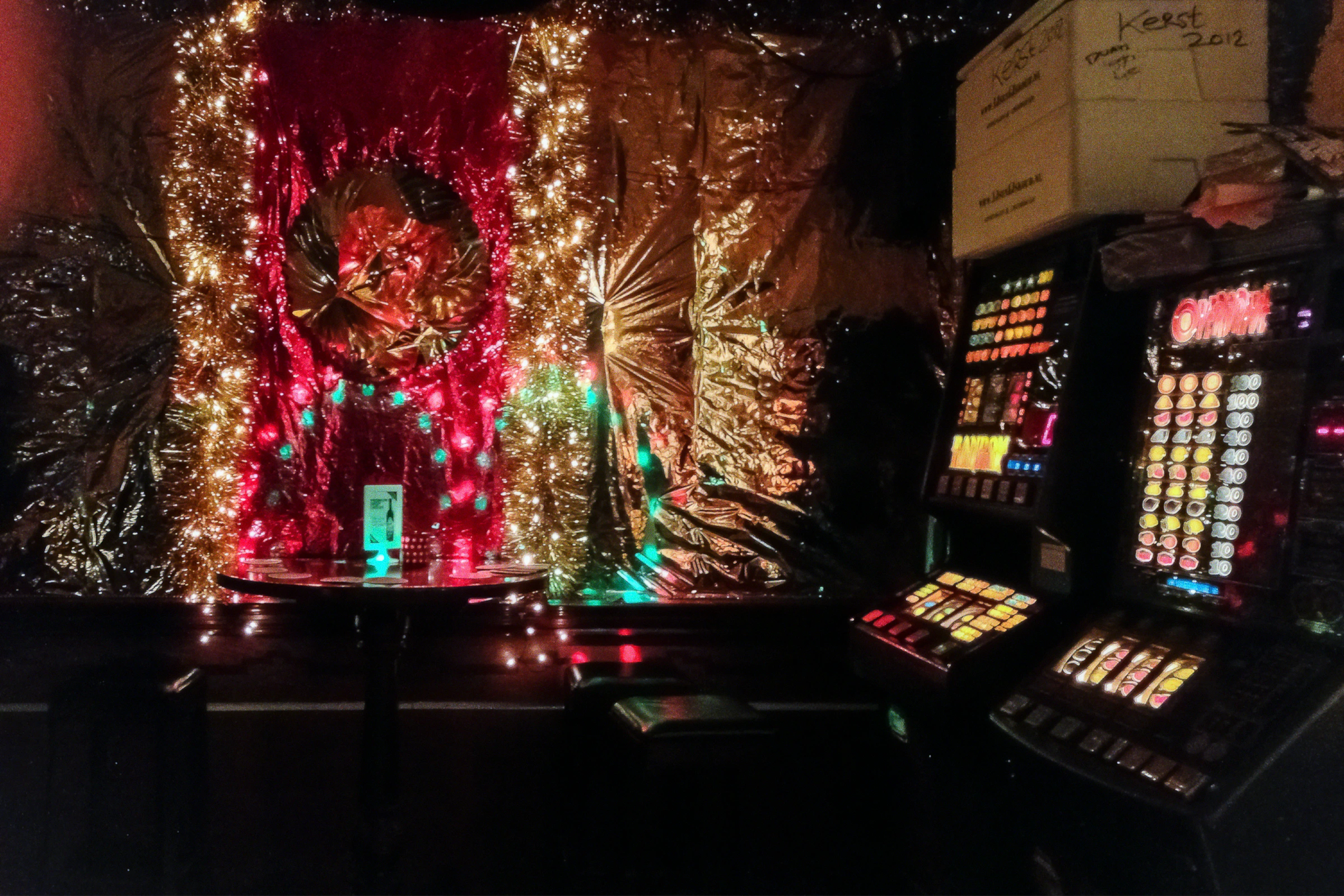
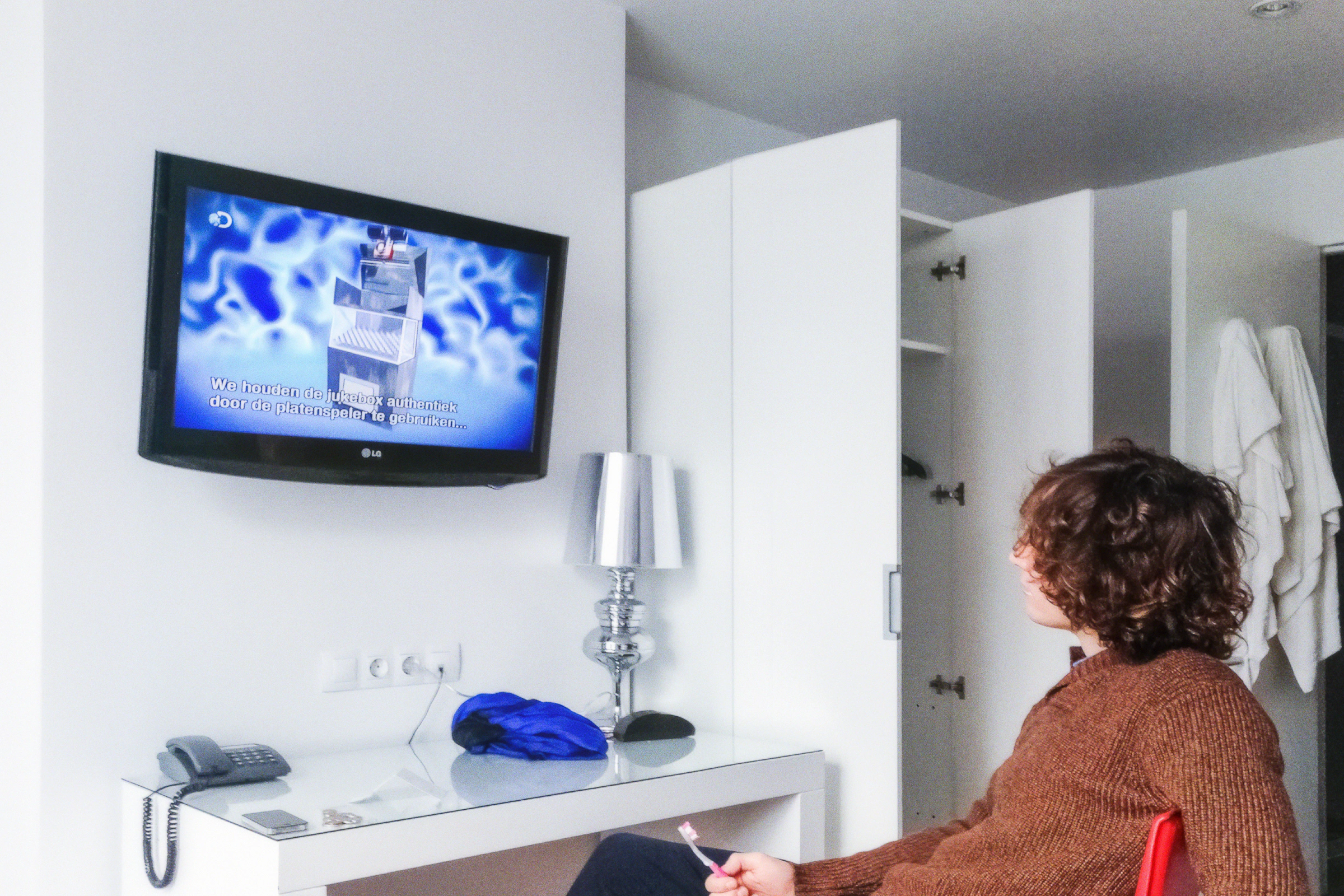
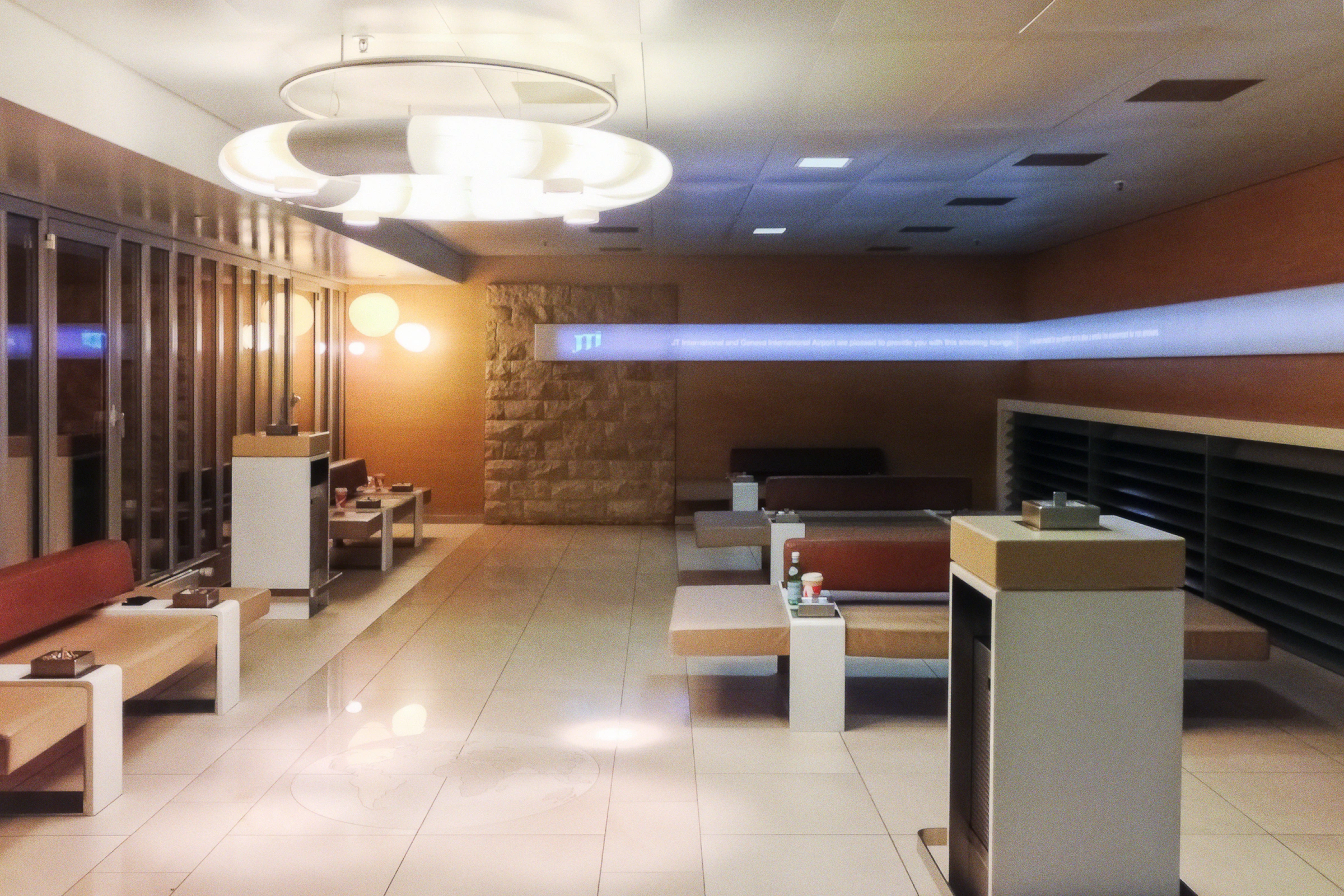
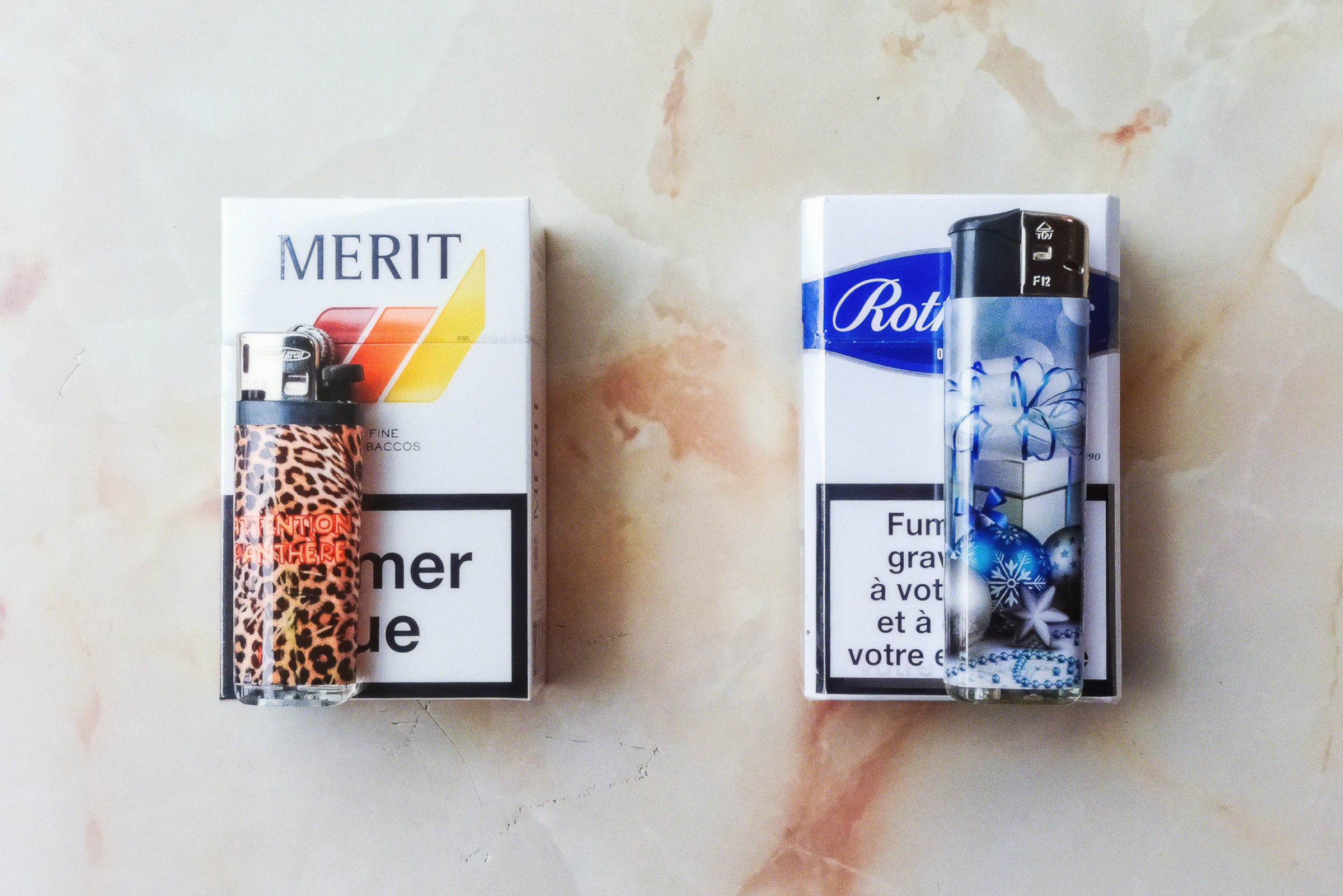
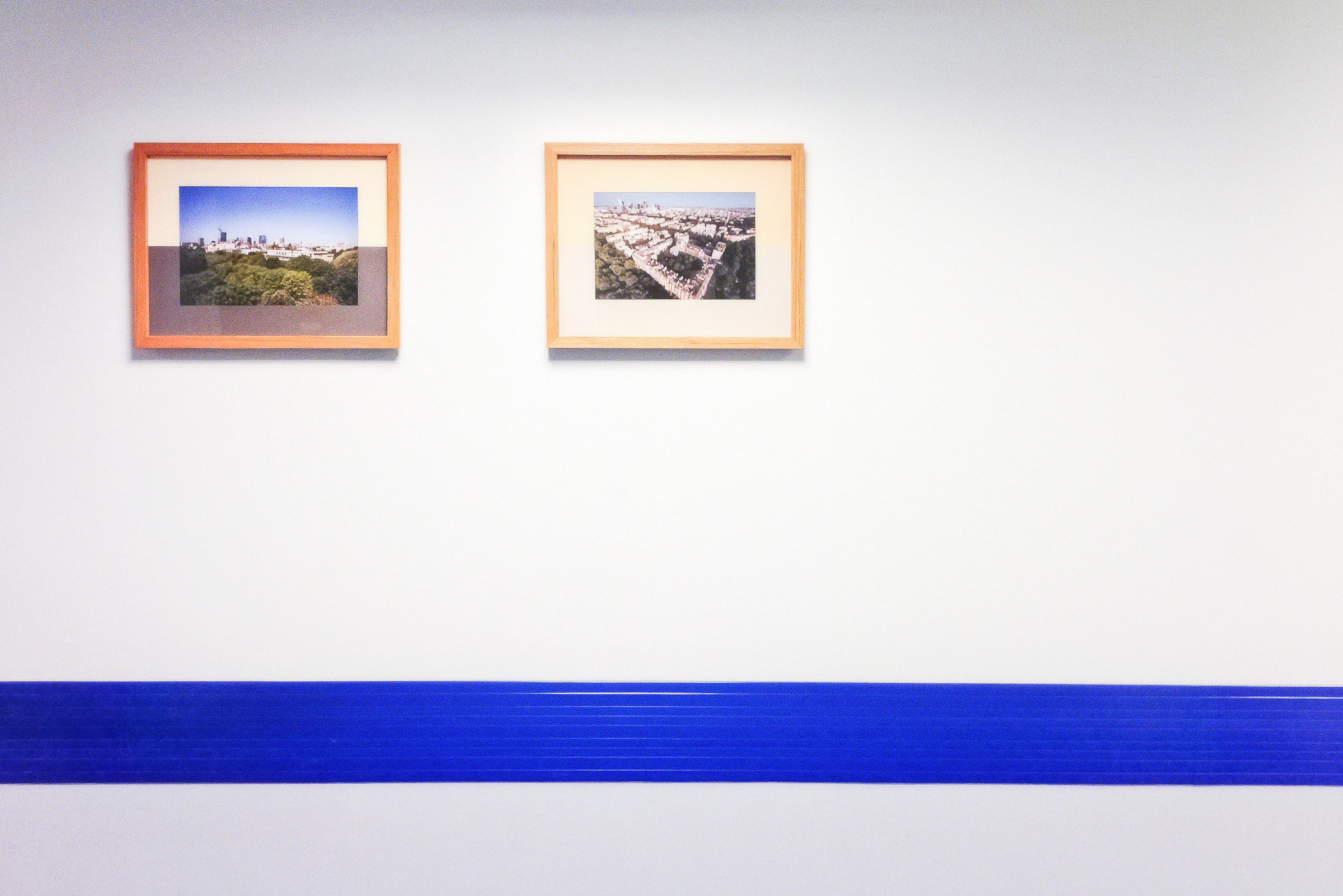
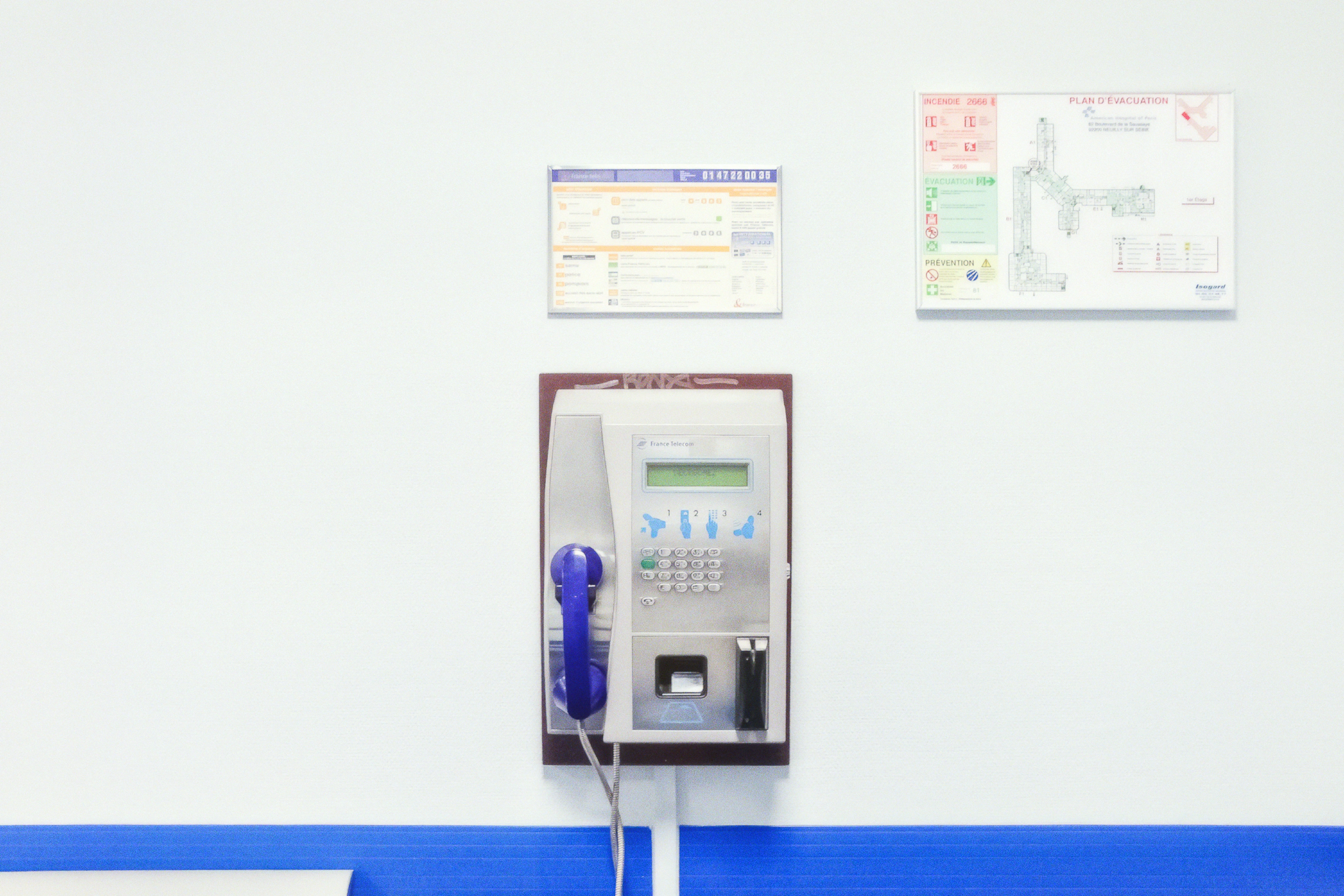
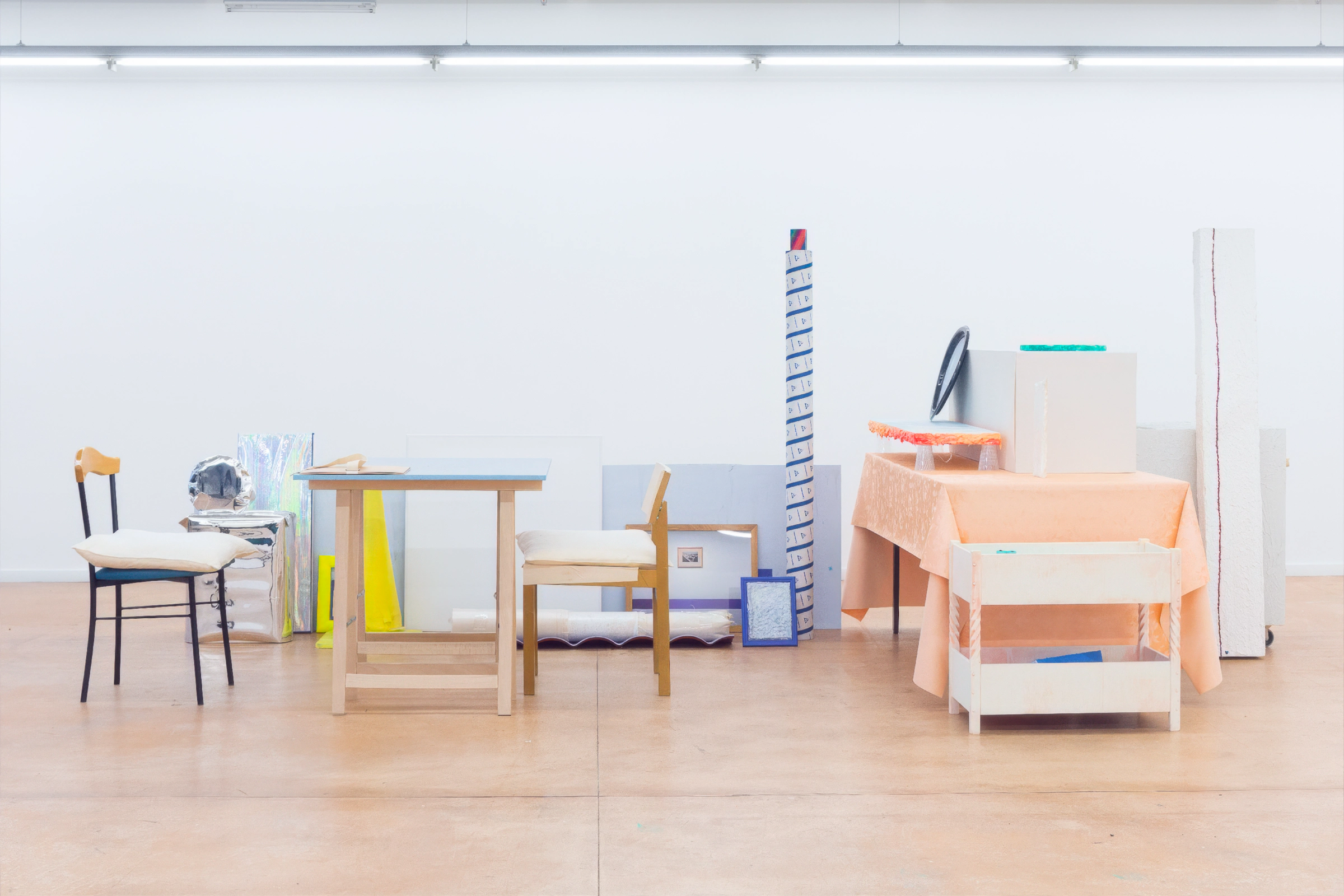
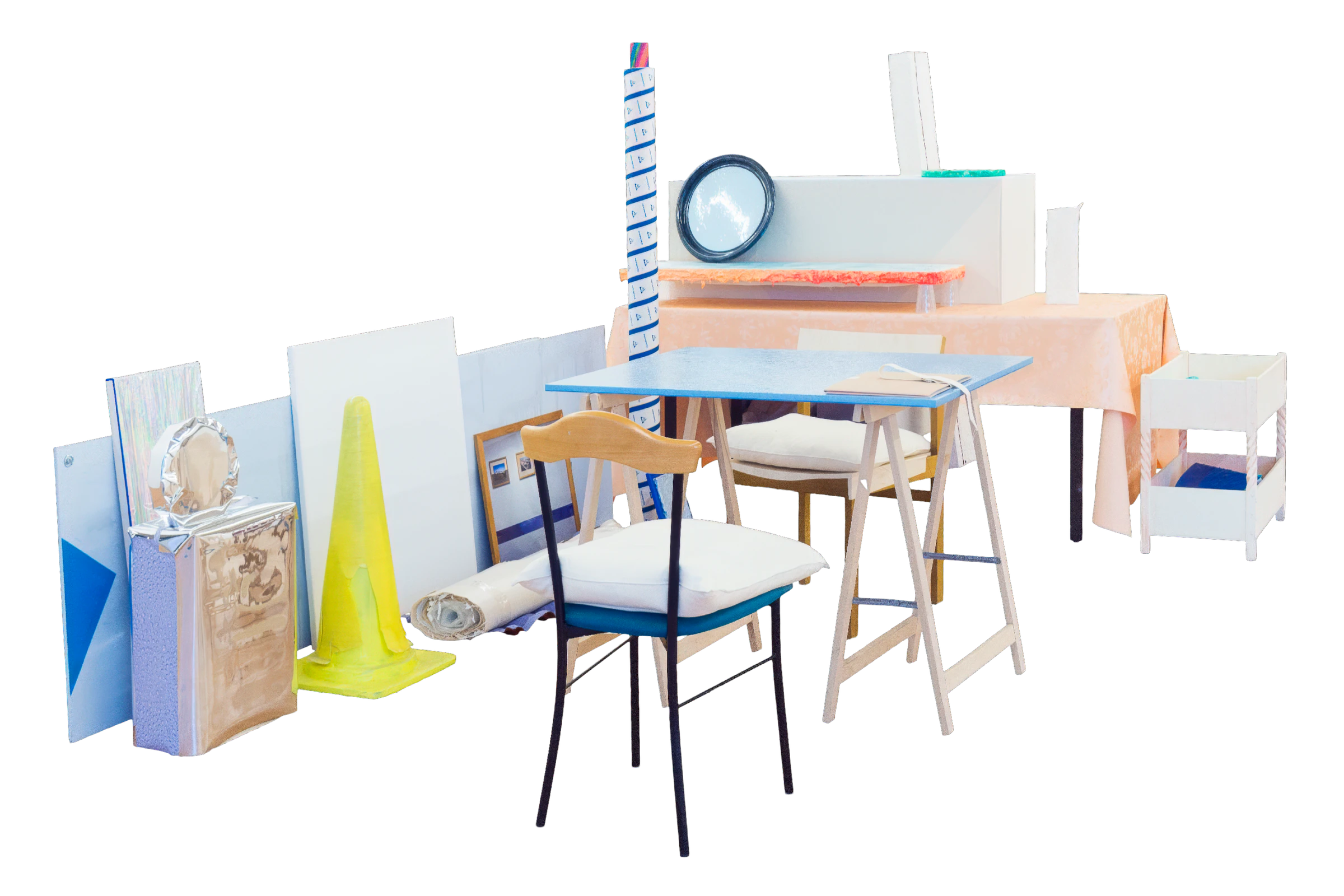
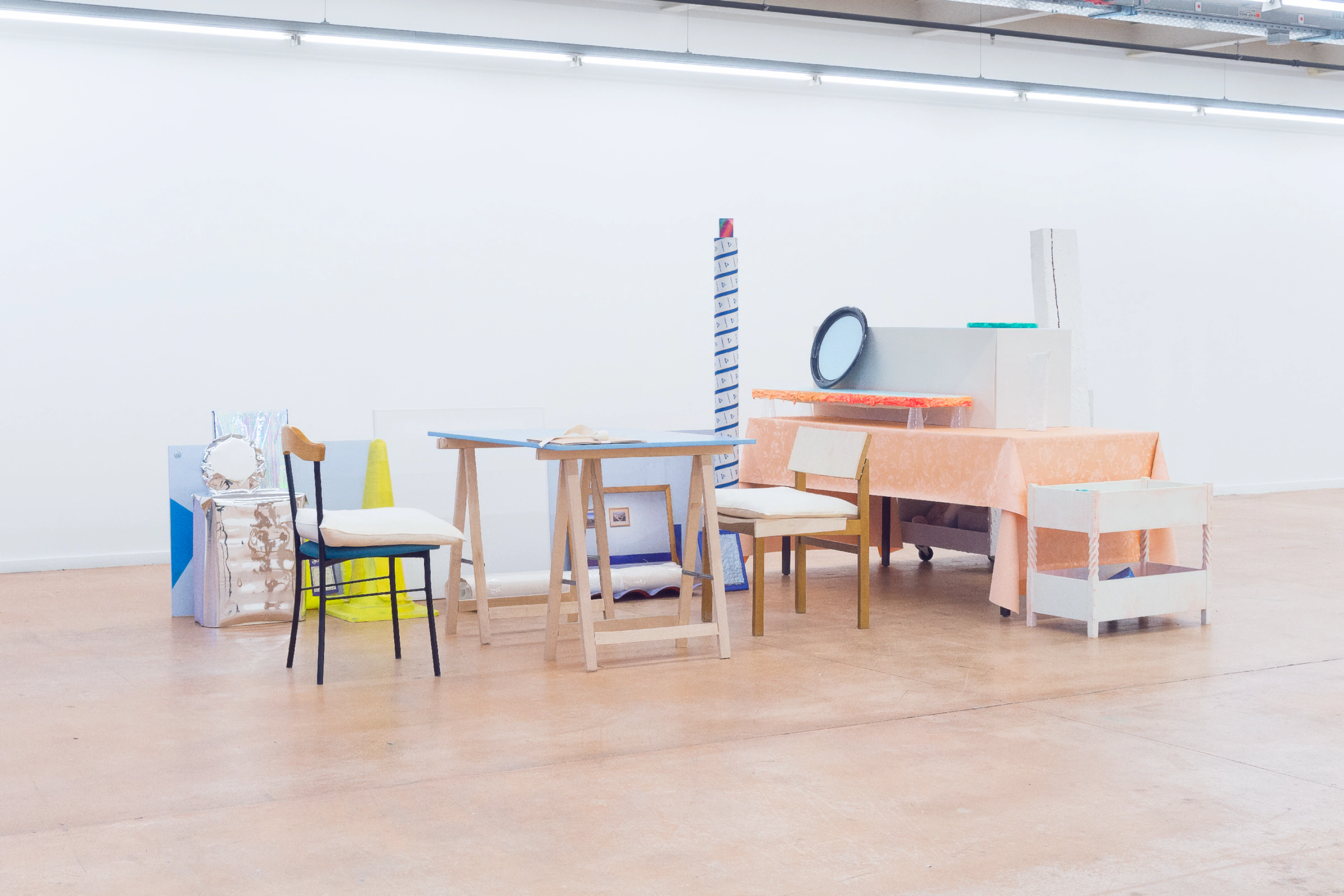
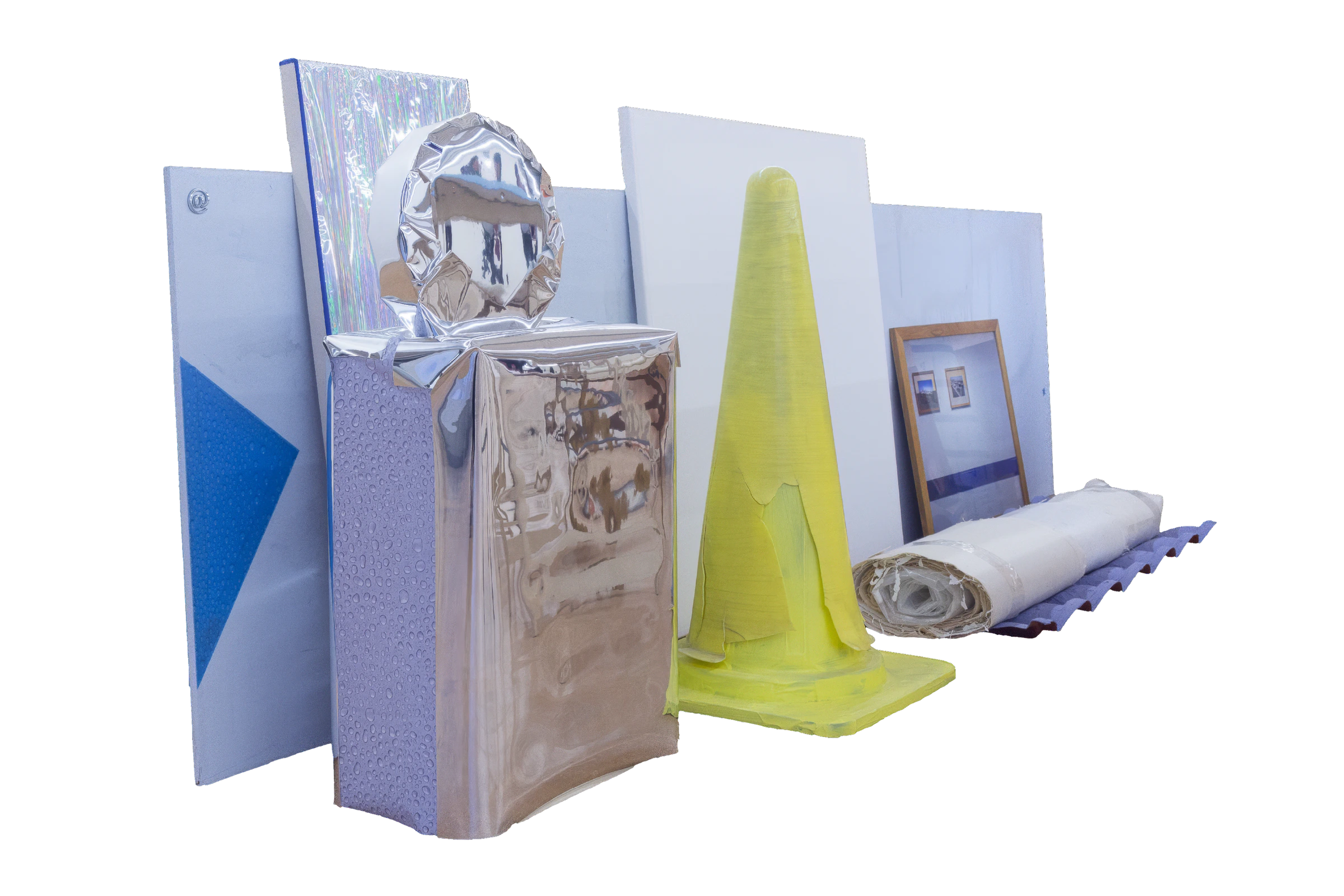
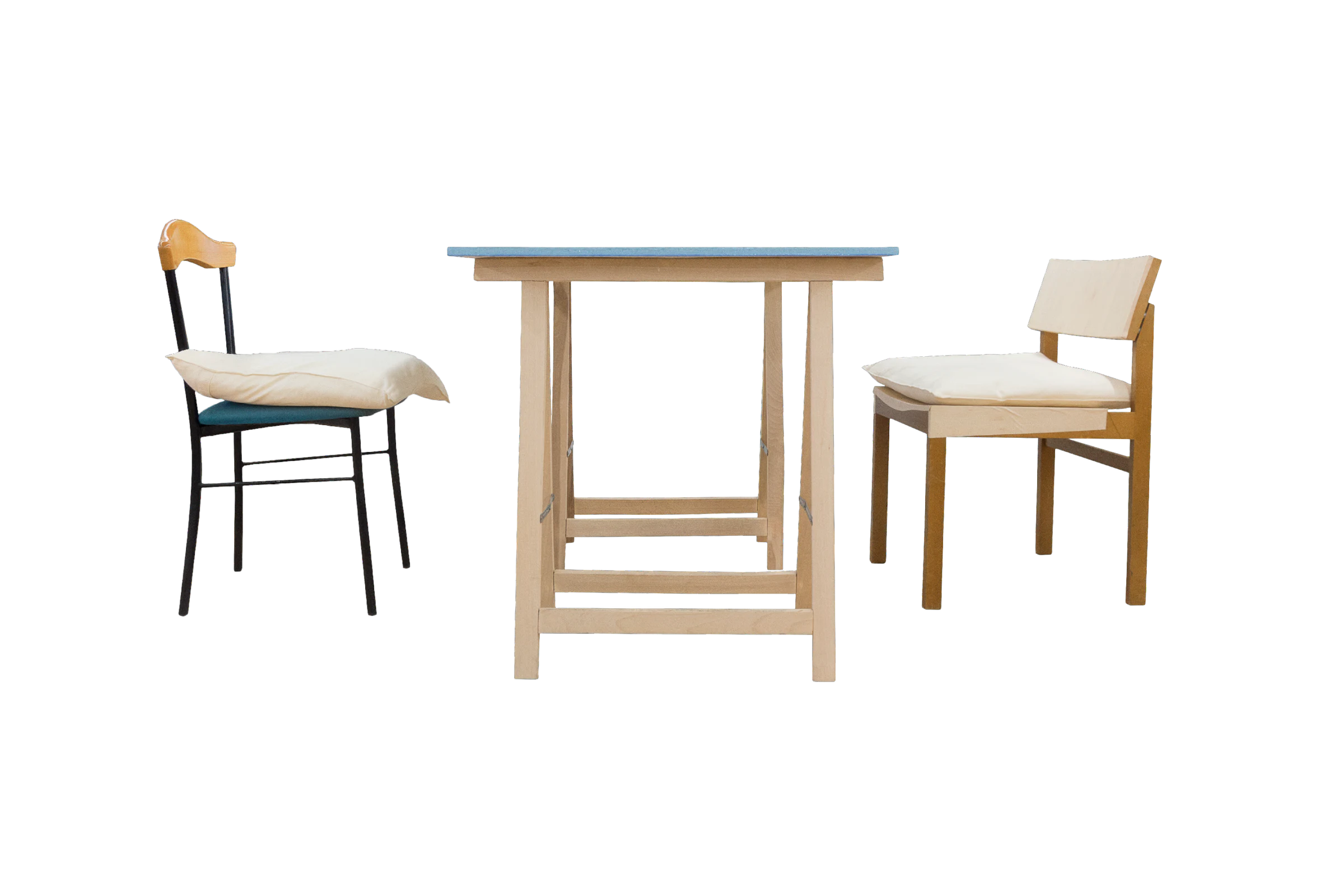
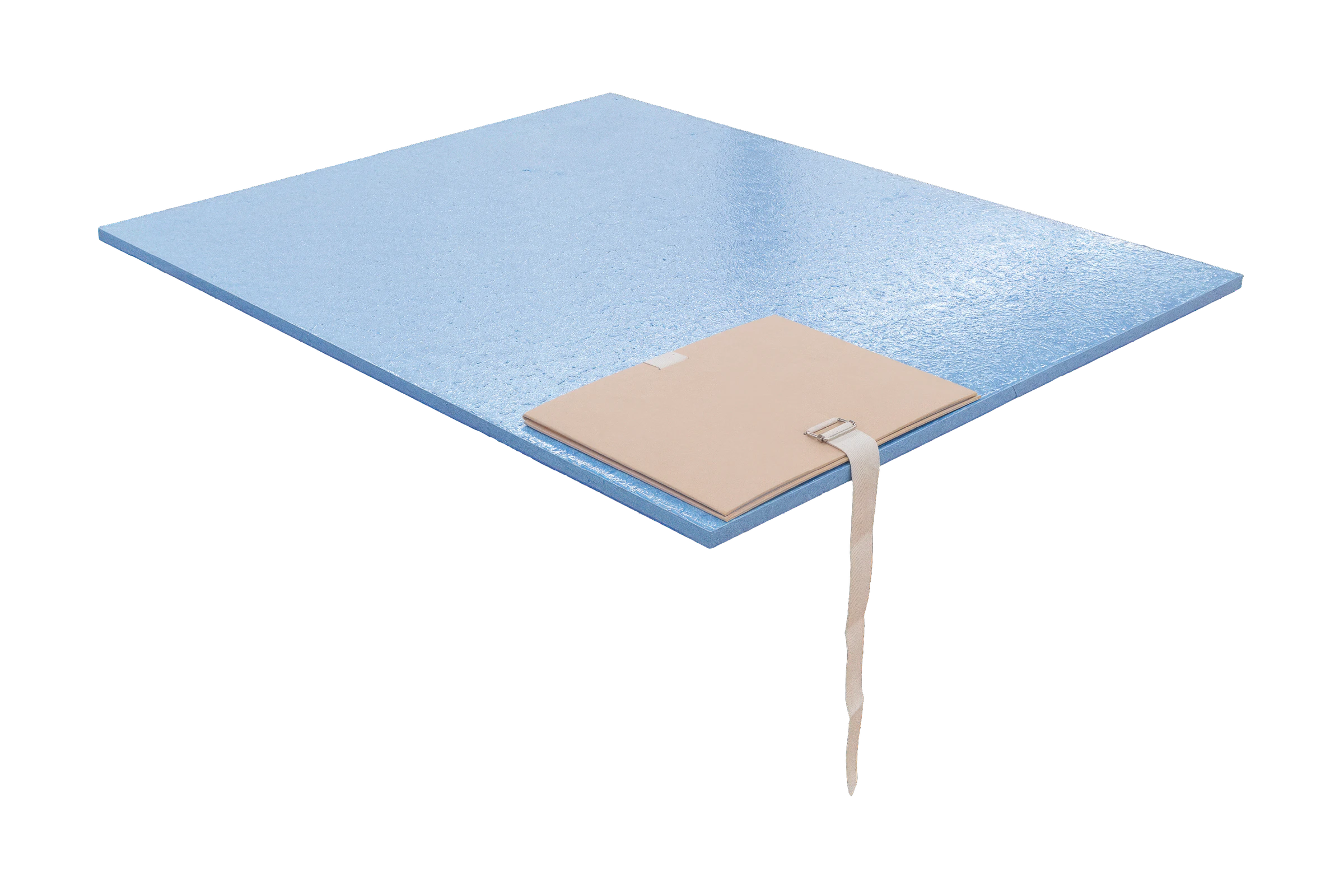
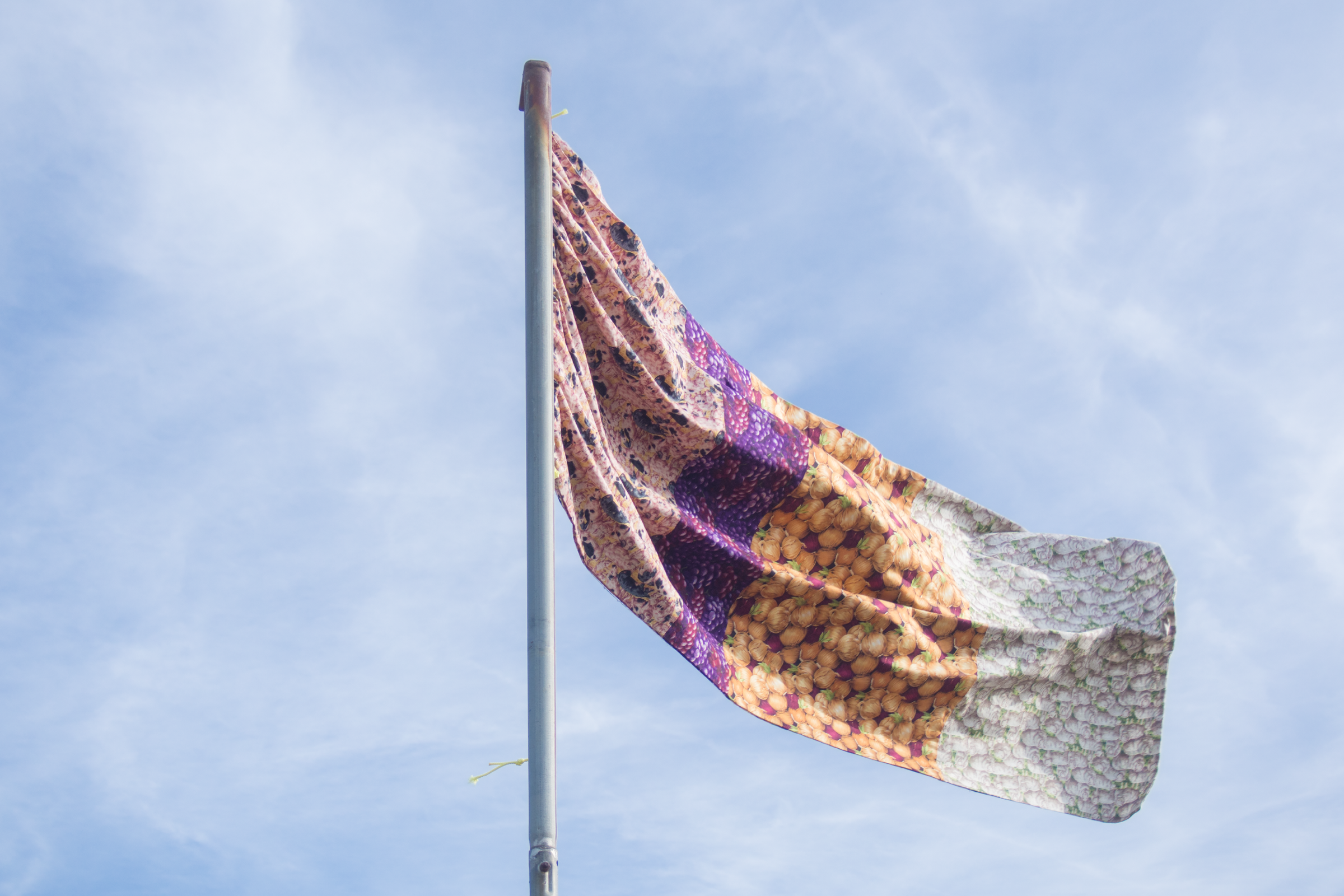
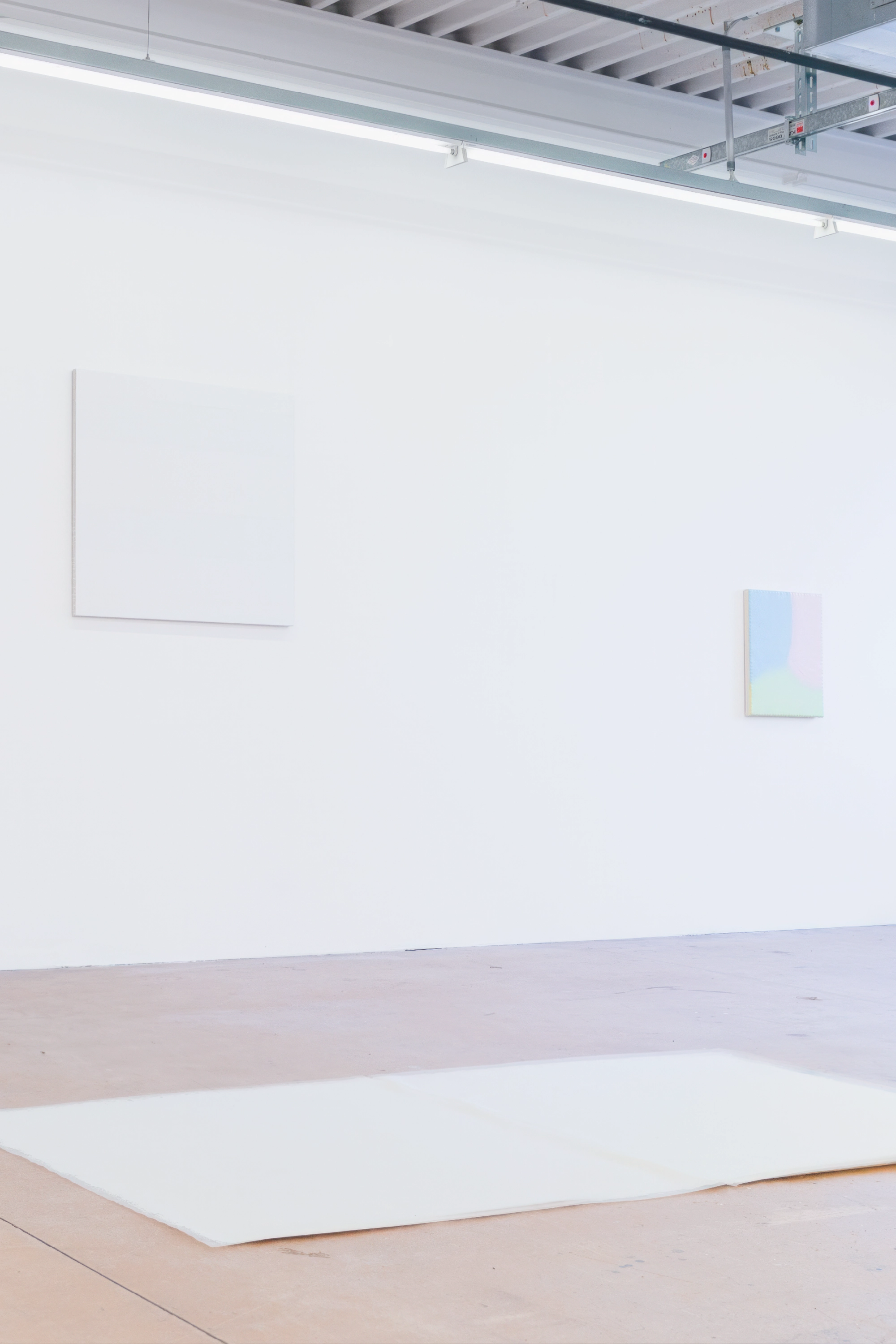
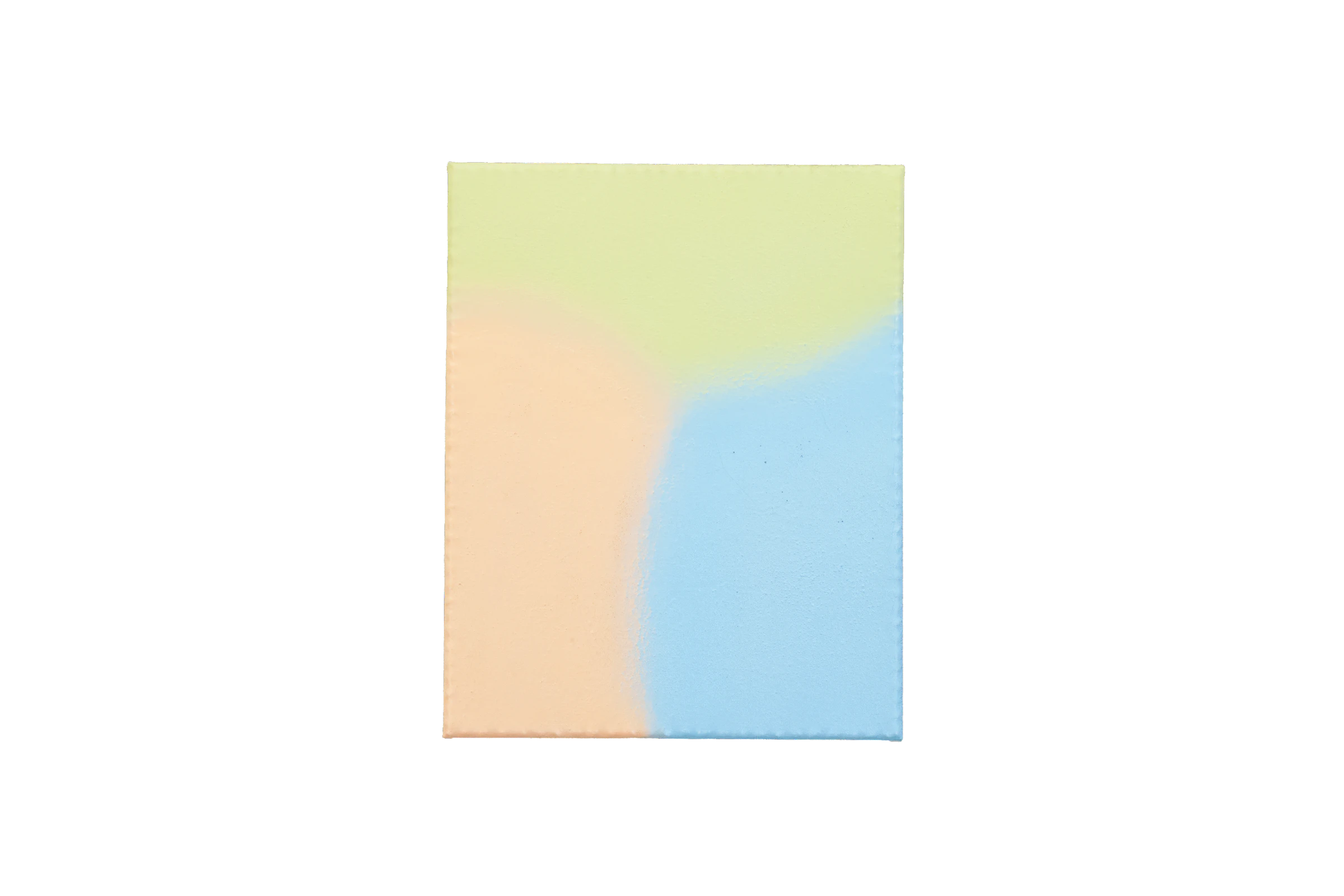
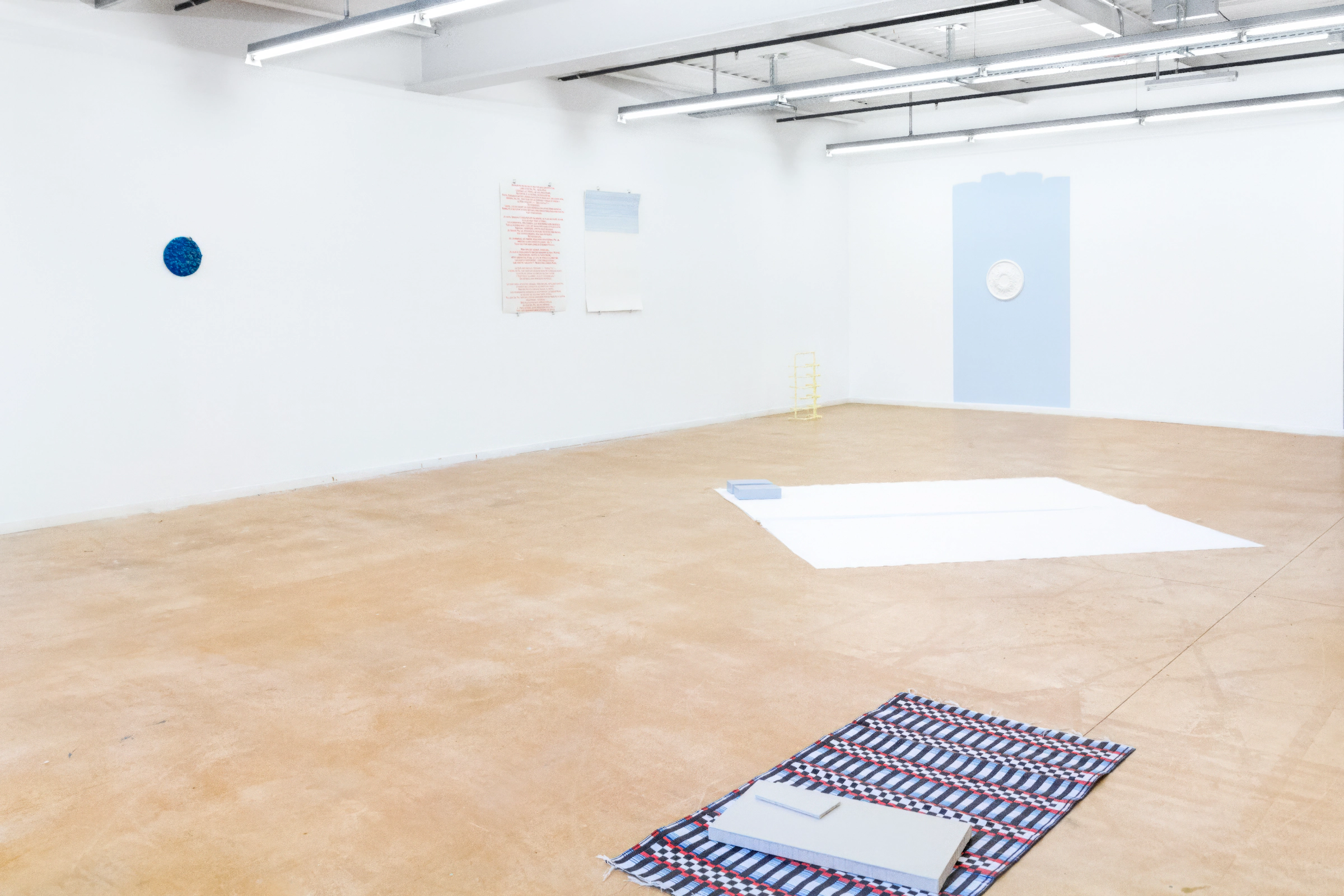
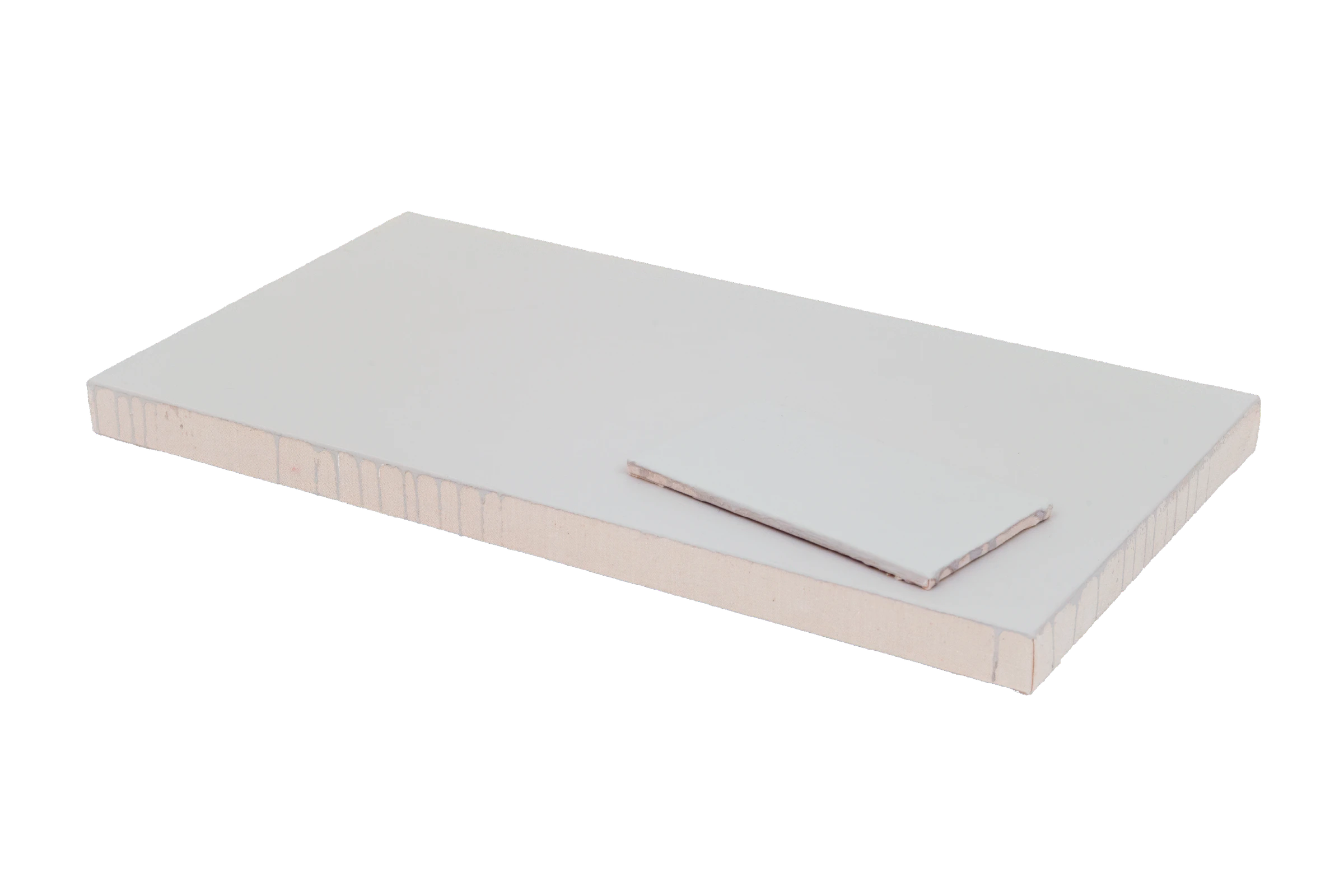
T r a n s-P a r e n t was my Bachelor of Arts diploma at ECAL, Renens, Switzerland, in 2013, with Philippe Decrauzat as tutor. The works belong to the phase I called ‘Pre-Natal’, then ‘Baby’ (2011–2013). Dispersion paint goes onto a door, a bed base, a cart, wooden frames, plastic glass, MDF, OSB and polystyrene. Having to build an artistic practice and question it let me concentrate on colour and on calling the medium into question.
I called this phase ‘Pre-Natal’, then ‘Baby’ (2011–2013): the years of my bachelor’s degree at ECAL, with Philippe Decrauzat as my tutor. I wanted to move my practice away from what is called contemporary art, towards the historical notion of the avant-garde, and to understand what an avant-garde could still mean. In 2013 I wrote that we take part in a universalised avant-garde, in which every individual artist embodies the collective by supporting the work of fellow artists, notably by showing it in the exhibitions they curate.
The space in which I presented my work counted for a great deal. The white cube of the exhibition and digital media both became places to work with. Brian O’Doherty’s writing on the white cube and Marshall McLuhan’s The Medium Is the Massage showed me the weight of the context in which art is presented.
My practice was mostly installation. Taken alone, my pieces could be seen as words; presented together or in groups, they became a sentence. I was interested in the limits of an object or a performance when it meets other elements. The succession of works on a wall could be imagined as film editing, in a ‘sequence style’, and each visitor’s drift through the space edited it again. Several pieces came with notes instead of a fixed place: a canvas to be hung at eye level, a wall painting that stops at the highest point the painter can reach, a video that asks for its pale blue outline to be painted on the wall when it is projected.
Labels and wall texts became part of the research. Texts and ideas should accompany a work without overshadowing it or dictating how it is read: the visitor decides what they understand, according to their background or their mood, and this freedom left to the viewer is a great achievement of art. In 2012 I made Playing Labels (Cartels à Jouer), a deck of 37 cards: each card is the label of a work, with notes on how to show it. Robin Lebey and Frédéric Gabioud made some of the cards; the deck’s rule is that tournaments of labels must be held regularly.
I came to treat every space involved in making art as material: the studio, the exhibition, printed formats and curatorial formats, through text, installation, painting, video, music and performance. Curating and my own practice began to meet. The deck of labels went furthest: P+ begins there.
Notes: The best conditions for this canvas to be fully appreciated are met when it is hung at eye level, and is more than one size away from the other pieces.
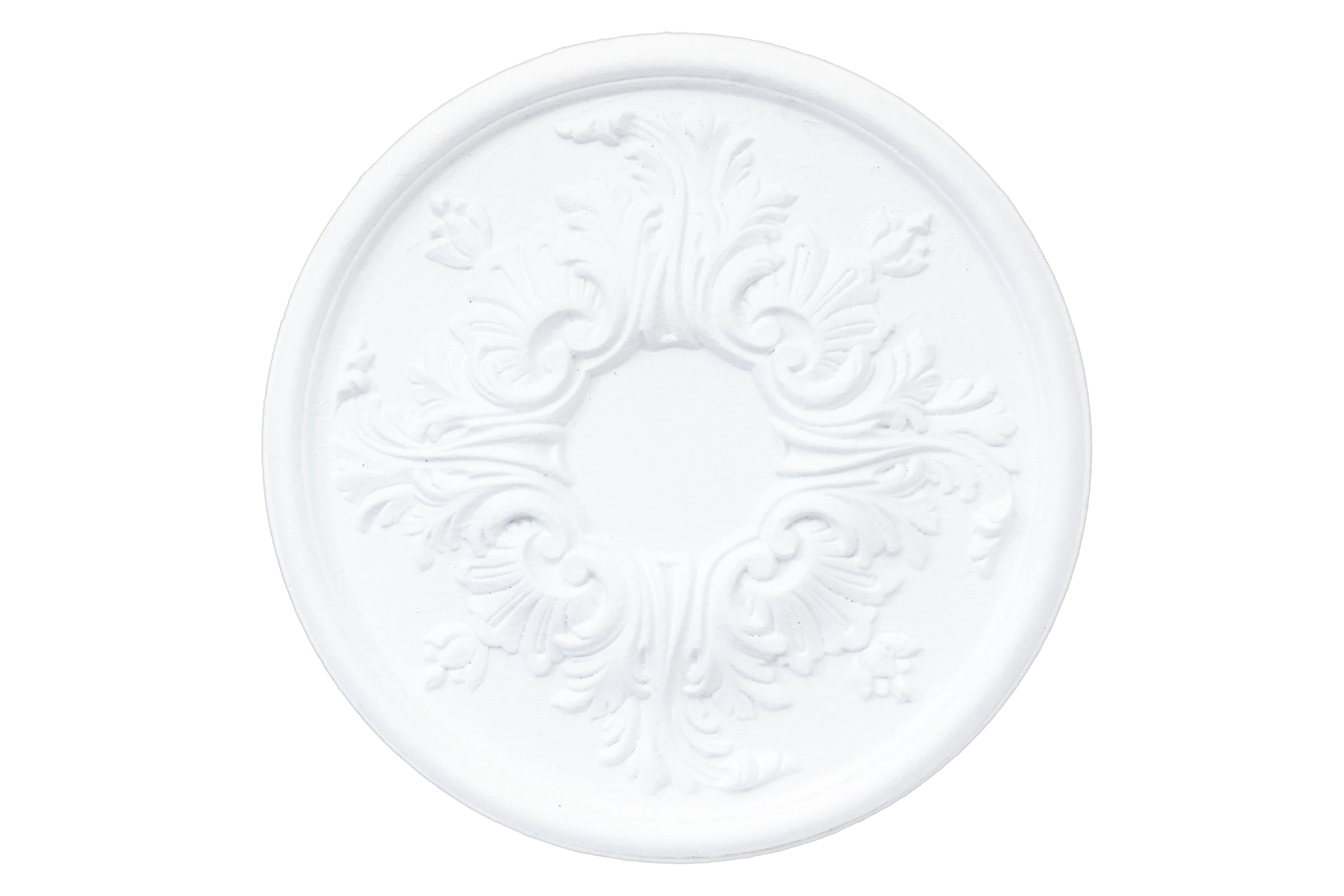
Notes: The rosette should appear on an azure/sea-blue background. The wall must be painted with scotch tape on the left and right, starting at the floor. The wall painting stops at the highest point the painter can reach. Paint is applied with a roller.
FROMAGE (BIS)
Spray paint and resin on object
2012.
Notes: This panoptical object should be placed intelligently, on the floor, on the wall or on the ceiling, to raise a question about its function. It can also play with “FROMAGE”.
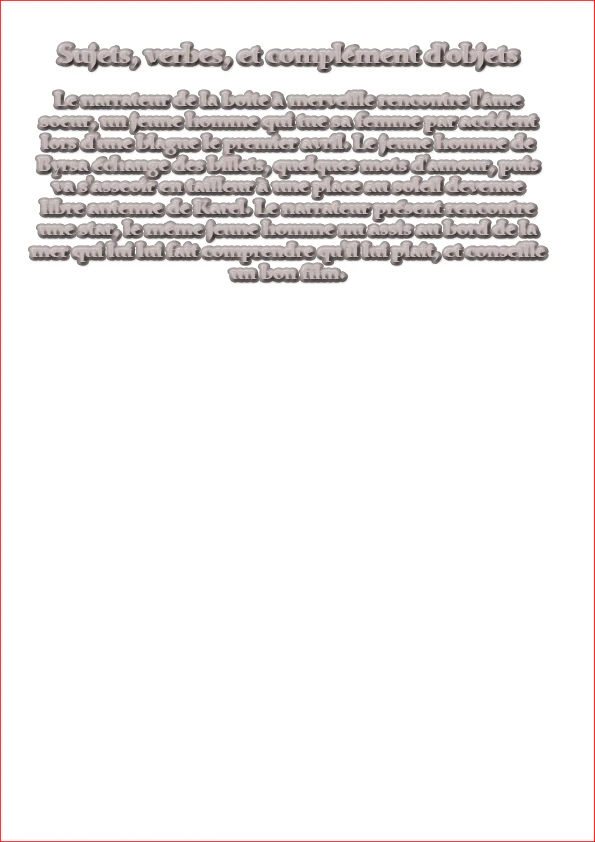
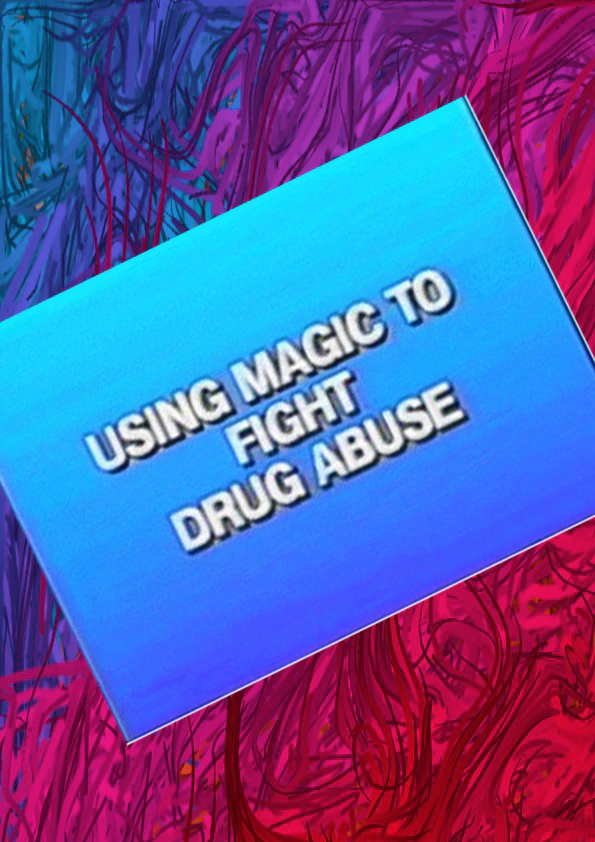
A Painting on the Wall, a website from the Pre-Natal period, treats the relation between foreground and background from a curatorial point of view. Each page rests on an image of 595 × 842 pixels, which corresponds to the A4 format. The aim was a medium close to an exhibition display, adapted to web standards.
Void Drawing Participation in ‘ORBITES EXCENTRIQUES’, the first exhibition of the MIna Virtual Museum, curated by Jean Bourgois. Inspired by THX 1138, this project is a metaphor for a trajectory becoming a drawing in the void. The exhibition was available at this address: minaccess.com (no longer online).
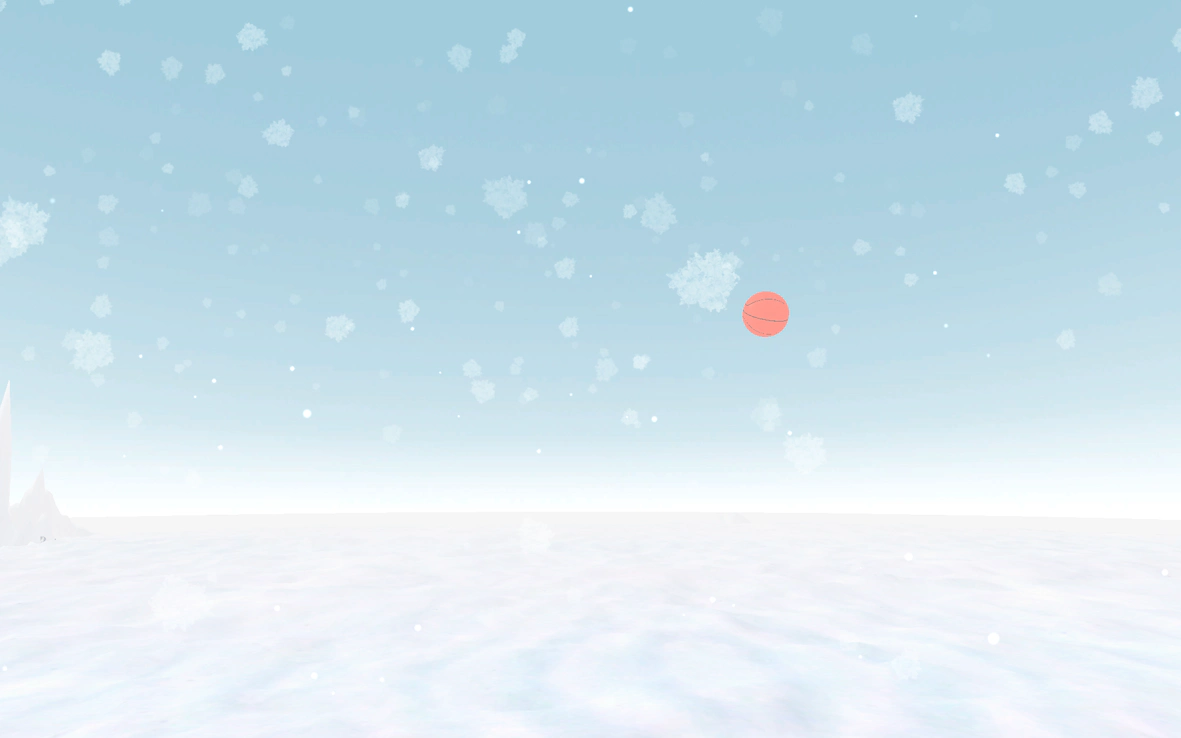
Dribbler ? Arthur Fouray, basketball standing for the entrance to ‘Void Drawing’, 3D, 2012.
Junky Ants Arthur Fouray, intervention in the museum’s space / dis(placement)carded in Antarctica, 3D, 2012.
Void Drawing Arthur Fouray, the project’s ‘white space’, 3D, 2012.
TV Wall Arthur Fouray, wall activating three colours: blue, green, red, 3D, 2012.
REZ Arthur Fouray, Ball = Pencil, 3D, 2012.
Void Drawing Arthur Fouray, the project’s ‘white space’, 3D, 2012.
TV Wall Arthur Fouray, wall activating three colours: blue, green, red, 3D, 2012.
REZ Arthur Fouray, Ball = Pencil, 3D, 2012.
Traces Arthur Fouray, 3D, 2012.
Traces Arthur Fouray, 3D, 2012.
Void Drawing Arthur Fouray, the project’s ‘white space’, 3D, 2012.
REZ Arthur Fouray, Ball = Pencil, 3D, 2012.
Traces Arthur Fouray, 3D, 2012.
Jesus Arthur Fouray, portal for leaving the project and discovering the traced drawing, Taschen 3D, 2012.
Drawing 1138 Arthur Fouray, drawing obtained from the traces, JPEG, 2012.
Traces Obtained Arthur Fouray, JPEG, 2012.
Jesus Arthur Fouray, portal for leaving the project and discovering the traced drawing, Taschen 3D, 2012.
Drawing 1138: Arthur Fouray, drawing obtained from the traces, JPEG, 2012.
Traces Obtained: Arthur Fouray, JPEG, 2012.
Jesus: Arthur Fouray, portal for leaving the project and discovering the traced drawing, Taschen 3D, 2012.
Missing Information
Missing Information began in December 2011 as hundreds of one-second clips of fractal and interference images. A first video of 9′58″ came out of them in January 2012. The film, finished in 2026, runs 16′01″. The 488 GIFs came after the clips; they play as a grid of simultaneous loops. A separate hour-long audio work shares the title, with a question mark added.
I wanted to test what a change of format could do to a work. The videos have a beginning and an end; the GIFs, played together, have neither. In 4pm and P.A.V. the movement comes from physical gestures. Here it comes from the format.